
Pakistan Heatwave Alert: 50°C Temperature Warning Till May 31
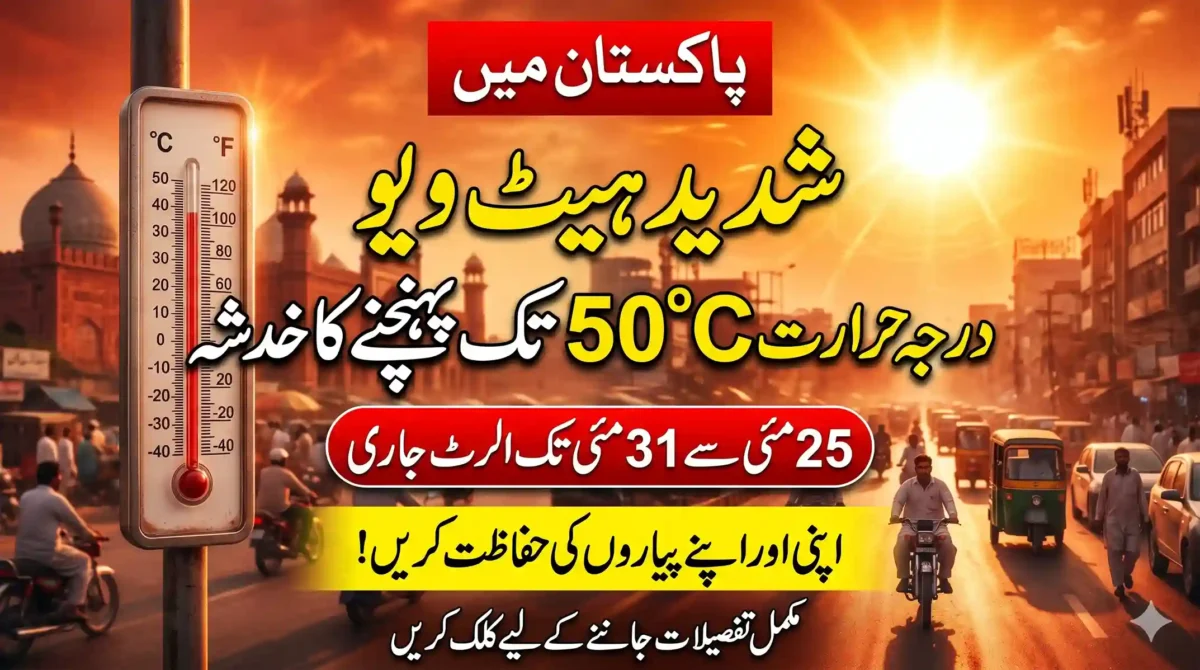
A dangerous severe heatwave is spreading across Pakistan as the Pakistan Meteorological Department (PMD) and the Meteorological Department issue a nationwide heatwave alert from May 25 to May 31. Rising temperatures, increasing humidity, and trapped atmospheric heat are already affecting several regions, especially Karachi, Punjab, and multiple Sindh districts. According to the latest weather forecast, this phase of Pakistan weather may become one of the harshest early-summer events in recent years.
Authorities including the Punjab Disaster Management Authority (PDMA) have released a strong public warning over expanding extreme weather, growing heat intensity, and rapidly increasing dangerous temperatures. Experts tracking Pakistan climate believe worsening urban heat, unstable climate conditions, and continuous temperature rise are making the current heat spell more severe than usual.
Pakistan Heatwave Alert: Temperatures May Reach 50°C
The latest Pakistan Heatwave Alert warns that temperatures could reach 50°C in parts of Sindh, southern Punjab, and Balochistan. Officials say readings may remain 5°C to 7°C above normal, while some districts may continue seeing 4°C to 6°C above seasonal averages.
Meteorologists blame a powerful high-pressure system forming in the upper atmosphere from May 25 and intensifying after May 26. The resulting sharp rise, increasing atmospheric pressure, and growing heatwave conditions are expected to affect Punjab, Khyber Pakhtunkhwa, Azad Jammu and Kashmir, and Gilgit-Baltistan with prolonged scorching weather and severe heat surge conditions.
Cities and Areas Likely to Be Worst Affected
Cities including Sukkur, Jacobabad, Larkana, Mohenjo Daro, Dadu, Shaheed Benazirabad, Hyderabad, Sibi, Turbat, Dera Ghazi Khan, and Multan are expected to remain among the worst hit regions with temperatures reaching between 47°C and 50°C.
Other districts such as Shikarpur, Khairpur, Ghotki, Naushahro Feroze, Badin, Tharparkar, Umerkot, Mirpurkhas, Jamshoro, and Sanghar may also experience severe heat conditions and dangerous heat exposure.
In Upper Punjab and South Punjab, districts including Rawalpindi, Lahore, Faisalabad, Bahawalpur, Sargodha, Jhang, Mianwali, and Sahiwal are expected to face rising high temperatures, worsening regional temperatures, and expanding heatwave zones.
Karachi Weather Update
Although Karachi is unlikely to touch 50°C, the city may still experience intense discomfort due to high humidity and persistent humid weather. Forecasts show temperatures between 35°C and 38°C, with the maximum temperature expected near 36°C during the next three days.
Experts monitoring Karachi weather say increasing coastal humidity, unstable urban weather, and rising heat levels are creating difficult conditions across the coastal city, especially during nighttime hours.
Recent Temperature Readings
Latest recent readings already show dangerous conditions developing across southern districts. Dadu recorded nearly 49°C, while Shaheed Benazirabad and Mohenjo Daro approached 48°C. Nearby Jacobabad and surrounding regions also reported temperatures close to 47°C.
Meteorologists say the growing rising mercury, repeated scorching conditions, and worsening heat intensity are matching some of the highest regional temperature records observed in recent years.
Health Risks During the Heatwave
Doctors warn that prolonged extreme heat can trigger serious health complications including dehydration, heat stroke, heat exhaustion, and severe fatigue. The highest risks remain for children, the elderly, outdoor workers, and other vulnerable groups exposed to direct sunlight.
Several health facilities are already facing increased pressure because of growing heat-related illnesses, worsening hydration issues, and rising cases of stomach infections. Experts believe continued heat stress and dangerous sun exposure may create a wider medical emergency if conditions intensify further.
Precautionary Measures and Official Advice
Government authorities are urging citizens to avoid direct sunlight, especially during afternoon peak hours, and to stay hydrated throughout the ongoing heatwave. The PMD has advised extra care for children, women, and elderly people during the current heatwave spell.
Officials are also encouraging farmers and growers to protect crops and livestock from worsening weather conditions. Meanwhile, environmental experts continue calling for stronger public cooling centers, improved water intake, and long-term climate adaptation measures to improve national climate resilience.
Climate Change and Increasing Heatwaves
Many experts, scientists, and meteorologists believe the growing frequency and severity of regional heat events are directly connected with accelerating climate change and rapid urbanization.
Across South Asia, rising global warming, expanding urban heat, worsening weather extremes, and repeated long-duration heatwaves are increasing regional climate vulnerability. Experts warn that dangerous temperatures are now arriving earlier each year because of ongoing environmental change and shifting climate patterns.