LPG Gas Prices in Pakistan Today
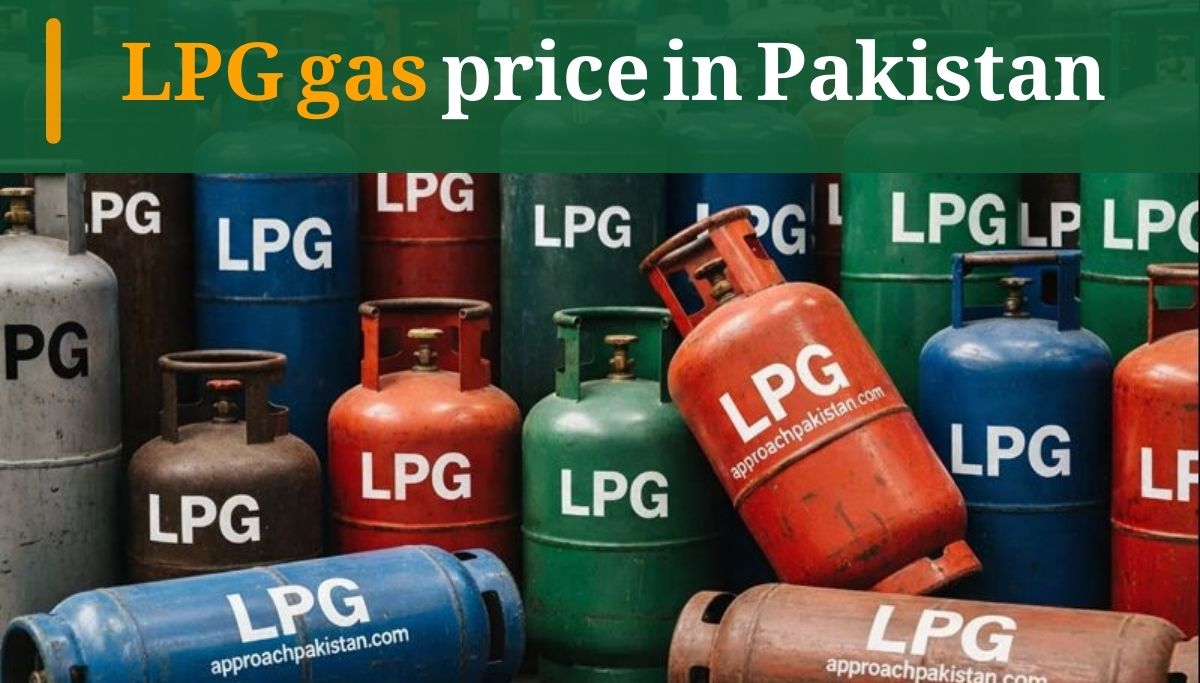
The current LPG gas price in Pakistan is Rs. 233.10 per kilogram as of July 2025, with domestic cylinders (11.8kg) priced at Rs. 2,751 and commercial cylinders (45.4kg) at Rs. 10,583. This represents a decrease from June 2025 prices, providing some relief to millions of households struggling with rising energy costs.
If you’re tired of constantly checking LPG prices because they change so often, you’re not alone. Millions of Pakistani households face the same frustration – trying to budget for cooking fuel when prices shift monthly, dealing with regional pricing differences that make planning difficult, and worrying about delayed government updates that leave you guessing about next month’s costs.
Whether you’re a home maker trying to manage monthly expenses or a business owner calculating operational costs, understanding LPG pricing helps you make smarter decisions. You want real-time price updates, clarity between official rates and what dealers actually charge, and advance notice of price changes to budget effectively.
Current OGRA Official Rates
OGRA has set the official LPG price at Rs. 233.10 per kilogram for July 2025, down from Rs. 241 per kilogram in June. This reduction comes after international market changes and provides some breathing room for consumers.
The regulatory authority adjusts prices monthly based on global market trends. The decrease is attributed to a 4.29% reduction in the Saudi Aramco Contract Price, which serves as Pakistan’s key international benchmark.
Current OGRA Rates (July 2025):
- Per kilogram: Rs. 233.10
- Domestic cylinder (11.8kg): Rs. 2,751
- Commercial cylinder (45.4kg): Rs. 10,583
Real-Time Market Prices by City
Market prices often differ from OGRA rates due to transportation costs and dealer margins. LPG is being sold above the official price in some areas, with average market prices varying significantly.
Major Cities Price Comparison (July 2025):
| City | OGRA Rate (Rs/kg) | Market Rate (Rs/kg) | Difference |
| Karachi | 233.10 | 240-250 | +7-17 |
| Lahore | 233.10 | 245-255 | +12-22 |
| Islamabad | 233.10 | 250-260 | +17-27 |
| Rawalpindi | 233.10 | 250-270 | +17-37 |
| Peshawar | 233.10 | 255-275 | +22-42 |
| Quetta | 233.10 | 260-280 | +27-47 |
In some areas like DHA Lahore, domestic LPG sells for Rs. 250 per kg, while in Rawalpindi’s Peer Sahaba Town, rates reach Rs. 300 per kg.
Price Update History (Last 6 Months)
LPG prices have shown a downward trend in recent months. Here’s how rates have moved:
Monthly Price Movement:
| Month | OGRA Rate (Rs/kg) | Change | 11.8kg Cylinder | 45.4kg Cylinder |
| January 2025 | 250.00 | – | 2,950 | 11,350 |
| February 2025 | 255.00 | +5.00 | 3,009 | 11,577 |
| March 2025 | 258.00 | +3.00 | 3,044 | 11,713 |
| April 2025 | 250.00 | -8.00 | 2,950 | 11,350 |
| May 2025 | 245.00 | -5.00 | 2,891 | 11,123 |
| June 2025 | 241.00 | -4.00 | 2,844 | 10,942 |
| July 2025 | 233.10 | -7.90 | 2,751 | 10,583 |
The June reduction brought a Rs. 54.60 decrease for domestic cylinders, representing a 1.88% reduction.
LPG Cylinder Prices by Category
Domestic Cylinder Prices (11.8 KG)
What’s the price of an 11.8kg LPG cylinder in Pakistan?
The official price of an 11.8kg domestic LPG cylinder is Rs. 2,751 according to OGRA’s July 2025 notification, though market prices range from Rs. 3,000 to Rs. 3,600 depending on location and dealer margins.
Domestic cylinders serve most Pakistani households for cooking and heating needs. The 11.8kg size is the standard for home use, lasting an average family 3-4 weeks with regular cooking.
Domestic Cylinder Pricing Breakdown:
- OGRA Official Rate: Rs. 2,751
- Market Range: Rs. 3,000 – Rs. 3,600
- Average Markup: 9-31% above official rates
- Refill vs. New Cylinder: Refills cost Rs. 200-300 less

Punjab Laptop Scheme 2025: 110,000 Free Laptops Guide
Exciting News: CM 3 Marla Plot Scheme 2025 The CM Punjab Laptop Scheme 2025 is a complete guide covering eligibility, features, and the application process for students seeking digital empowerment. This HEC-approved initiative focuses on merit-based distribution of laptops to...
The price difference between official and market rates stems from transportation costs, dealer margins, and regional supply-demand dynamics. Rural areas typically see higher markups due to transportation challenges.
Commercial Cylinder Prices (45 KG)
How much does a 45kg commercial LPG cylinder cost?
Commercial LPG cylinders (45.4kg) are officially priced at Rs. 10,583 by OGRA, but market rates range from Rs. 11,400 to Rs. 13,600 across different regions.
Commercial cylinders serve restaurants, small industries, and businesses requiring higher gas consumption. These larger cylinders offer better value per kilogram for high-usage customers.
Commercial Cylinder Analysis:
| Category | OGRA Rate | Market Low | Market High | Markup % |
| 45.4kg Commercial | Rs. 10,583 | Rs. 11,400 | Rs. 13,600 | 8-29% |
| Per kg Cost | Rs. 233.10 | Rs. 251.10 | Rs. 299.56 | 8-29% |
Businesses often negotiate bulk purchase rates or establish monthly supply contracts to manage costs. The recent price decrease of Rs. 337.46 for commercial cylinders provides a 3.09% reduction, primarily benefiting commercial users.
Industrial LPG Rates
Industrial users receive special pricing through direct contracts with suppliers. These rates are typically 5-10% lower than commercial cylinder rates due to bulk purchase agreements and consistent demand.
Industrial Pricing Structure:
- Bulk contracts: Rs. 220-230 per kg
- Monthly minimums: 500kg+ typically required
- Storage requirements: On-site tanks mandatory
- Additional costs: Installation, maintenance, safety compliance
Industries using LPG include food processing, textile dyeing, metal cutting, and chemical manufacturing. Many industrial users are shifting to LPG due to natural gas shortages and load shedding issues.

CM Punjab Asaan Karobar Loan 2025: Apply for 0% Interest
Exciting News: CM 3 Marla Plot Scheme 2025 The CM Punjab Asaan Karobar Loan 2025 is a complete guide to interest-free business financing designed to help entrepreneurs across the province. This flagship initiative by the Government of Punjab aims to...
Understanding LPG Price Mechanisms
OGRA Pricing Formula Explained
How does OGRA calculate LPG prices in Pakistan?
OGRA uses a cost-plus pricing formula that includes international market rates, exchange rate fluctuations, taxes, transportation costs, and dealer margins to determine monthly LPG prices for consumers nationwide.
The pricing is primarily based on Saudi Aramco Contract Price (CP), which serves as Pakistan’s key international benchmark. OGRA reviews prices monthly and issues notifications by the first of each month.
OGRA Pricing Components:
International Price Base (60-70%): Saudi Aramco CP rates
- Exchange Rate Impact (15-20%): USD/PKR fluctuations
- Import Duties & Taxes (10-15%): Government levies
- Transportation & Handling (5-8%): Logistics costs
- Dealer Margins (3-5%): Retail markup
The formula ensures price stability while reflecting global market conditions. Recent reductions stem from a 4.29% decrease in international benchmark prices, partially offset by a 0.47% increase in exchange rates.
Factors Influencing Price Fluctuations
LPG prices in Pakistan respond to multiple domestic and international factors. Understanding these helps predict price movements and plan purchases accordingly.
Primary Price Drivers:
International Factors:
- Crude oil price movements
- Saudi Aramco contract pricing
- Global supply disruptions
- Seasonal demand in importing countries
Domestic Factors:
- PKR/USD exchange rate fluctuations
- Government tax policy changes
- Transportation fuel costs
- Seasonal demand variations
Supply Chain Issues:
- Import delays at ports
- Storage capacity constraints
- Distribution network efficiency
- Dealer inventory management
Pakistan relies heavily on imports for LPG, making global market shifts directly impact domestic rates. Winter months typically see demand and prices due to increased heating needs.
Global vs Local Price Factors
Pakistan imports approximately 70% of its LPG requirements, making international prices the dominant factor in local pricing. The remaining 30% comes from domestic refineries and gas processing plants.
Global Price Influence (70% weight):
- Saudi Aramco CP rates
- Regional Asian market premiums
- Shipping and freight costs
- International storage rates
Local Price Factors (30% weight):
- Domestic production costs
- Refinery maintenance schedules
- Local transportation expenses
- Government policy interventions
Exchange rate movements amplify international price impacts. A 1% rupee depreciation typically translates to a 0.7% increase in LPG prices, while international price changes have nearly direct correlation.
LPG Price Analysis & Trends
Monthly Price Movement Patterns
LPG prices in Pakistan follow predictable seasonal patterns influenced by demand cycles and global market trends. Understanding these patterns helps consumers time their purchases effectively.
Seasonal Price Patterns:
- Winter Peak (Dec-Feb): Prices typically rise 8-12% due to heating demand
- Spring Decline (Mar-May): Gradual decreases as heating needs reduce
- Summer Stability (Jun-Aug): Relatively stable prices with modest fluctuations
- Pre-winter Rise (Sep-Nov): Anticipatory increases as winter approaches
2025 Price Trend Analysis: The current year shows an unusual downward trend breaking typical patterns. July 2025’s Rs. 7.90 per kg reduction represents the largest single-month decrease in recent history.
Monthly Volatility Factors:
- International oil market fluctuations
- Government policy announcements
- Supply chain disruptions
- Currency devaluation pressures
Seasonal Demand Impact
How does seasonal demand affect LPG prices in Pakistan?
Seasonal demand variations cause LPG prices to fluctuate 15-25% annually, with winter months seeing the highest prices due to increased heating needs, while summer months offer the most stable and often lowest rates.
Winter demand increases dramatically as households use LPG for heating in areas without natural gas connections. LPG serves as a popular alternative during natural gas load shedding, especially in winter months.
Demand Patterns by Season:
| Season | Demand Level | Price Impact | Usage Drivers |
| Winter (Dec-Feb) | Peak (+40%) | High (+15-25%) | Heating, cooking |
| Spring (Mar-May) | Moderate (+10%) | Stable (±5%) | Cooking only |
| Summer (Jun-Aug) | Base Level | Low (-5-10%) | Cooking, minimal heating |
| Autumn (Sep-Nov) | Rising (+20%) | Increasing (+10%) | Pre-winter stocking |
Regional Demand Variations: Northern regions show stronger seasonal patterns due to colder winters, while southern coastal areas maintain more consistent year-round demand.
Pakistan’s LPG market shows significant regional price differences due to transportation costs, local competition, and supply chain efficiency.
Price Variation Factors:
- Distance from import terminals (Karachi, Qasim)
- Local transportation infrastructure
- Dealer competition levels
- Regional economic conditions
Regional Price Analysis (July 2025):
| Region | Average Price (Rs/kg) | Variation from OGRA | Key Factors |
| Karachi | 240-245 | +3-5% | Near import terminals |
| Punjab Central | 245-255 | +5-9% | Good road network |
| Punjab Remote | 255-270 | +9-16% | Transportation costs |
| KPK Urban | 250-265 | +7-14% | Security concerns |
| KPK Remote | 265-285 | +14-22% | Difficult access |
| Balochistan | 260-290 | +12-25% | Long distances |
| Northern Areas | 270-300 | +16-29% | Extreme logistics |
Border areas often show unique pricing due to smuggling activities and cross-border trade dynamics affecting local supply and demand.
Cost Comparison & Alternatives
LPG vs Natural Gas Cost Analysis
Is LPG more expensive than natural gas in Pakistan?
LPG costs approximately 3-4 times more than natural gas per unit of energy, making natural gas the cheaper option where available, but LPG offers reliability during load shedding and serves areas without gas pipeline connections.
Cost Comparison Analysis:
| Fuel Type | Cost per Unit | Energy Content | Cost per BTU | Availability |
| Natural Gas | Rs. 15-25/cubic meter | 1,000 BTU/cu ft | Rs. 0.53-0.88 | Limited areas |
| LPG | Rs. 233/kg | 21,500 BTU/kg | Rs. 10.84 | Nationwide |
| Cost Ratio | – | – | LPG 12-20x higher | – |
Practical Usage Comparison:
- 1kg LPG ≈ 1.5 cubic meters natural gas (energy equivalent)
- Monthly cooking for 4-person family: 8-12kg LPG vs 12-18 cubic meters gas
- LPG monthly cost: Rs. 1,864-2,796
- Natural gas monthly cost: Rs. 180-450
Despite higher per-unit costs, many prefer LPG due to consistent supply and independence from load shedding schedules.

Latest BISP 8171 Payment Update December 2025
Millions of families across Pakistan rely on the Benazir Income Support Program (BISP) for monthly financial assistance. If you have been searching for the latest update on the BISP 8171 payment, this guide explains everything clearly—how to check your status,...
LPG vs Electricity Cooking Costs
Which is cheaper: LPG or electric cooking?
LPG cooking costs Rs. 20-25 per meal for a family of four, while electric cooking costs Rs. 15-30 per meal depending on appliance efficiency and electricity tariff rates, making the choice dependent on usage patterns and local utility costs.
Electricity vs LPG Cooking Analysis:
| Cooking Method | Equipment Cost | Monthly Cost (4-person family) | Efficiency | Convenience |
| LPG Stove | Rs. 3,000-8,000 | Rs. 1,500-2,500 | High | Instant heat |
| Electric Stove | Rs. 5,000-15,000 | Rs. 1,800-3,200 | Medium | Load shedding issues |
| Induction Cooktop | Rs. 8,000-20,000 | Rs. 1,200-2,000 | Very High | Requires special cookware |
Factors Affecting Choice:
- Load shedding frequency in your area
- Electricity tariff rates (varies by consumption slabs)
- Cooking habits and meal complexity
- Initial investment capacity
Electric cooking becomes viable with reliable electricity supply and efficient appliances, while LPG offers independence from grid issues.
Alternative Fuel Options
Beyond LPG and natural gas, Pakistani households have several cooking fuel alternatives, each with distinct advantages and limitations.

BISP 8171 Payment Delay Reasons 2025 | Complete Fixing Guide
Many families rely on the Benazir Income Support Programme (BISP) for financial assistance, and any delay in receiving the Rs 13,500 installment can be stressful. In 2025, several people reported late payments or “under verification” messages on the 8171 Web...
Biomass and Traditional Fuels:
- Wood: Rs. 40-60 per kg, high pollution, labor-intensive
- Coal: Rs. 80-120 per kg, health concerns, smoke issues
- Crop Residue: Nearly free, seasonal availability, air quality impact
Modern Alternatives:
- Biogas: Setup cost Rs. 50,000-100,000, ongoing fuel costs minimal
- Solar Cooking: Equipment Rs. 15,000-40,000, weather-dependent
- Improved Biomass Stoves: Rs. 2,000-8,000, reduced emissions
CNG for Vehicles (Not Cooking): While CNG isn’t used for cooking, it competes with LPG in the transportation sector at Rs. 89-95 per kg equivalent.
Cost-Effectiveness Ranking:
- Natural gas (where available)
- Biogas (after initial investment)
- Electricity (with efficient appliances)
- LPG
- Traditional biomass
- Coal
LPG Buying Guide Pakistan
Authorized Distributors Directory
Where can I buy LPG cylinders safely in Pakistan?
Buy LPG cylinders only from OGRA-licensed distributors and major brands like PSO, Shell, Total Parco, and Sui Southern to ensure safety standards, proper weight, and quality gas that won’t damage your appliances or pose safety risks.
Major Authorized LPG Brands:
| Brand | Coverage | Average Outlets | Quality Rating | Special Features |
| PSO LPG | Nationwide | 2,500+ | Excellent | Government backing |
| Shell Gas | Major cities | 1,200+ | Excellent | International standards |
| Total Parco | Urban areas | 800+ | Very Good | French technology |
| Sui Southern | Sindh/Balochistan | 600+ | Good | Regional focus |
| BYCO | Selected areas | 400+ | Good | Competitive pricing |
Finding Authorized Dealers:
- Check OGRA website dealer listings
- Look for official brand signage and licenses
- Verify cylinder serial numbers and safety certifications
- Avoid unmarked or suspiciously cheap cylinders
Red Flags to Avoid:
- Dealers without proper licenses displayed
- Cylinders without brand markings or serial numbers
- Prices significantly below market rates
- Refusal to provide purchase receipts
- Damaged or rusty cylinder exteriors
How to Avoid Overcharging
LPG overcharging is common, but informed consumers can protect themselves through simple verification steps and smart purchasing practices.
Price Verification Steps:
- Check OGRA rates: Always know current official prices
- Compare multiple dealers: Get quotes from 3-4 nearby outlets
- Verify cylinder weight: Full cylinders should match stated capacity
- Ask for receipts: Legitimate dealers provide proper documentation
- Report overcharging: Use OGRA helpline 051-9205566
Common Overcharging Tactics:
- Under-filling cylinders: Providing less gas than paid for
- Hidden charges: Adding “delivery fees” or “handling charges”
- Expired gas premium: Charging extra for “fresh” gas
- Emergency pricing: Exploiting high-demand periods
Protection Strategies:
- Establish relationships: Regular customers often get better rates
- Group purchases: Neighbor coordination for bulk buying
- Timing purchases: Avoid end-of-month or winter peak periods
- Weight verification: Learn to check cylinder weights
Legal Rights: Consumers can file complaints with OGRA for overcharging, under-filling, or safety violations. Keep purchase receipts and document any irregularities.
Bulk Purchase Benefits
How much can I save buying LPG in bulk?
Bulk LPG purchases can save 5-15% on per-cylinder costs through direct distributor relationships, reduced transportation expenses, and volume discounts, making it worthwhile for high-consumption households, businesses, or community groups.
Bulk Purchase Options:
| Purchase Type | Minimum Quantity | Discount Rate | Suitable For |
| Individual Bulk | 5-10 cylinders | 3-7% | Large families |
| Community Group | 20-50 cylinders | 8-12% | Neighborhoods |
| Commercial Contract | 100+ cylinders/month | 10-18% | Businesses |
| Industrial Supply | 500+ kg/month | 15-25% | Industries |
Community Buying Strategies:
- Neighborhood cooperatives: Pool orders from 10-20 families
- Timing coordination: Monthly group purchases
- Shared transportation: Split delivery costs
- Bulk storage: Organize safe storage rotation
Business Benefits: Restaurants and commercial users can negotiate monthly supply contracts with:
- Fixed pricing for budget predictability
- Priority delivery during shortages
- Credit terms for cash flow management
- Technical support for equipment maintenance
Safety Considerations for Bulk Storage:
- Proper ventilation in storage areas
- Fire safety equipment accessibility
- Regular cylinder rotation (first-in, first-out)
- Professional safety inspections
Safety & Regulations
Safe LPG Usage Guidelines
What are the essential safety rules for using LPG at home?
Essential LPG safety rules include ensuring proper ventilation, checking for gas leaks regularly with soapy water, keeping cylinders upright and away from heat sources, and maintaining emergency contacts and fire extinguishers nearby for immediate response to any incidents.

BISP 8171 Payment Verification December 2025 & January 2026
BISP 8171 is Pakistan’s official SMS-based payment verification system for Benazir Income Support Programme beneficiaries. Through BISP 8171 payment verification, eligible families can instantly check their quarterly stipend status, confirm eligibility, and receive collection details by simply sending their CNIC...
Daily Safety Checklist:
- Before use: Check connections and smell for gas leaks
- During cooking: Never leave flames unattended
- After use: Turn off cylinder valve, not just burner knobs
- Storage: Keep cylinders in ventilated, cool areas away from sunlight
Gas Leak Detection:
- Smell test: LPG has added odor for detection
- Soap solution: Apply to connections, bubbles indicate leaks
- Sound check: Listen for hissing sounds near valves
- Visual inspection: Look for damaged hoses or connections
Emergency Procedures:
- If you smell gas: Turn off cylinder immediately, ventilate area
- Never use matches: No flames or electrical switches near suspected leaks
- Evacuate if necessary: Leave area and call emergency services
- Professional inspection: Get qualified technician for leak repairs
Installation Safety:
- Use only ISI-marked regulators and hoses
- Replace rubber hoses every 18-24 months
- Install cylinders at least 3 feet from electrical appliances
- Ensure adequate ventilation in cooking areas
OGRA Regulations & Standards
OGRA maintains strict standards for LPG quality, safety, and distribution to protect consumers and ensure market stability.
Key OGRA Regulations:
Quality Standards:
- LPG composition must meet international specifications
- Cylinders require annual safety testing and certification
- Filling facilities need regular inspections and licensing
- Weight accuracy tolerance: ±1% of stated capacity
Dealer Licensing Requirements:
- OGRA license display mandatory at all outlets
- Staff training on safety procedures required
- Proper storage facility specifications
- Insurance coverage for public liability
Consumer Protection Measures:
- Price display requirements at all retail points
- Complaint mechanism through OGRA helpline
- Regular market monitoring for compliance
- Penalties for overcharging or under-filling
Cylinder Safety Standards:
- 15-year maximum cylinder life before replacement
- Annual hydrostatic testing for older cylinders
- Serial number tracking for quality control
- ISI marking requirements for all cylinders
Violation Penalties:
- Overcharging: Fines up to Rs. 500,000
- Under-filling: License suspension possible
- Safety violations: Criminal charges may apply
- Unlicensed dealing: Complete shutdown authority
Emergency Procedures
What should I do in case of an LPG emergency?
In LPG emergencies, immediately turn off the gas supply, evacuate the area, avoid any ignition sources, call emergency services at 1122, and contact your LPG supplier’s emergency hotline for professional assistance with leak control or fire suppression.
Emergency Response Steps:
For Gas Leaks:
- Immediate action: Turn off cylinder valve if safely accessible
- Ventilation: Open doors and windows, use fans if electrically safe
- Evacuation: Move everyone to safe distance (minimum 100 meters)
- No ignition: Avoid matches, lighters, electrical switches, or mobile phones
- Professional help: Call emergency services and LPG supplier
For LPG Fires:
- Small fires: Turn off gas supply if possible, use appropriate fire extinguisher
- Large fires: Evacuate immediately, call fire department
- Never use water: Water spreads LPG fires, use foam or CO2 extinguishers
- Cool cylinders: If safe, spray water on cylinders to prevent explosion
Emergency Contact Numbers:
- National Emergency: 1122
- OGRA Helpline: 051-9205566
- PSO Emergency: 111-111-776
- Shell Emergency: 0800-44440
- Fire Department: 16
Emergency Kit Essentials:
- ABC-type fire extinguisher (minimum 2kg capacity)
- First aid kit with burn treatment supplies
- Emergency contact list posted near LPG area
- Battery-powered flashlight (no electrical devices during gas leaks)
- Emergency evacuation plan known to all family members
Post-Emergency Procedures:
- Professional safety inspection before resuming LPG use
- Cylinder and equipment replacement if damaged
- Insurance claim documentation if applicable
- Report incident to OGRA for investigation

8171 PMT Score Check by CNIC | Check it Now
The 8171 PMT Score Check by CNIC is Pakistan’s official digital verification system managed by NADRA (National Database and Registration Authority) and the National Socio-Economic Registry (NSER) that determines your household’s eligibility for the Ehsaas Program, Benazir Income Support Programme...

How to Apply for CM Punjab E-Taxi Scheme Today 2025?
Getting Started with Your Application The registration process for the CM Punjab Green E-Taxi Program 2025 has officially started, and here’s how you can join. The Punjab government has made easy the entire application so everyone—whether you’re youth looking for...


