Scrap Iron Rate in Pakistan Today – Complete Guide 2025
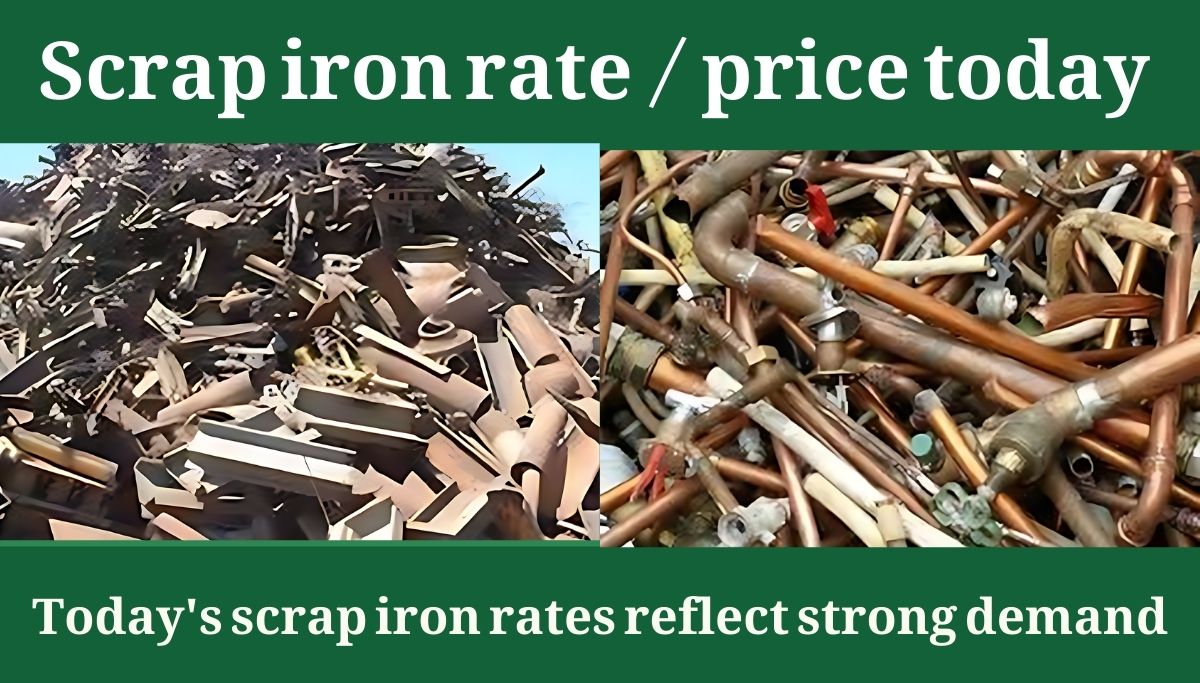
Current scrap iron rates in Pakistan range from Rs. 175-190 per kg, with regional variations affecting final prices. Heavy scrap iron commands Rs. 180-190/kg, while light scrap sells for Rs. 175-185/kg across major cities like Lahore, Karachi, and Islamabad.
You know that sinking feeling when scrap dealers give you wildly different quotes for the same pile of iron? You’re not alone. Thousands of scrap sellers across Pakistan face this daily challenge – one dealer offers Rs. 160 per kg while another quotes Rs. 185 for identical material.
The scrap iron market moves fast. Prices change daily based on global steel demand, local factory needs, and seasonal construction cycles. Without reliable pricing information, you’re shooting in the dark when it comes to timing your sales or negotiating fair rates.
This complete guide cuts through the confusion. You’ll get today’s accurate rates, understand what drives price differences between cities, and learn how to maximize your scrap iron value. No more guesswork or lost profits to middlemen who know the market better than you do.
Scrap Iron Rate in Pakistan Today – Latest Updates
Current Market Prices (Real-time Table)
Today’s scrap iron rates reflect strong demand from local steel mills and construction projects. Here’s the current pricing structure across Pakistan:
| Scrap Type | Rate per KG (Rs.) | Quality Grade | Typical Source |
| Heavy Iron Scrap | 180-190 | Premium | Construction sites, machinery |
| Light Iron Scrap | 175-185 | Standard | Household items, thin sheets |
| Mixed Iron Scrap | 170-180 | Medium | General collection |
| Galvanized Iron | 165-175 | Variable | Roofing, pipes |
| Cast Iron | 185-195 | High | Engine blocks, heavy machinery |
Daily Price Fluctuations
Iron scrap prices fluctuate daily based on global market conditions and local demand patterns. This week alone, rates shifted by Rs. 5-8 per kg due to increased construction activity and export demand.
Monday to Friday: Prices typically stay stable with minor adjustments. Weekends: Limited trading activity may cause slight price drops. Month-end: Higher demand from steel mills often pushes rates up by Rs. 3-5 per kg.
The key is understanding these patterns. Smart sellers often time their sales for month-end when demand peaks.
Regional Price Variations
Not all cities offer the same rates. Here’s why location matters:
Tier 1 Cities (Lahore, Karachi): Premium rates due to high industrial demand. Tier 2 Cities (Faisalabad, Multan): Moderate rates with good competition. Smaller Towns: Lower rates but fewer transportation costs.
Transportation costs can eat into profits. Selling locally often beats traveling to distant cities for slightly higher rates.
Understanding Scrap Iron Pricing in Pakistan
What Determines Iron Scrap Rates?
Five major factors drive pricing in Pakistan’s scrap iron market:
Global Steel Prices: International iron ore prices directly impact local scrap rates, with Pakistani markets following global trends. When China increases steel production, our rates climb too.
Local Industrial Demand: Steel mills in Lahore and Karachi compete for quality scrap. Higher competition means better prices for sellers.
Transportation Costs: Fuel price changes affect collection and delivery costs. Recent petrol hikes added Rs. 2-3 per kg to operational expenses.
Quality Standards: Clean, rust-free scrap commands premium rates. Contaminated material gets penalized heavily.
Seasonal Construction Activity: Peak building season (October-March) drives up demand and prices.
Types of Iron Scrap and Their Values
Understanding scrap categories helps you get fair pricing:
HMS 1 (Heavy Melting Steel #1)
- Rate: Rs. 185-195 per kg
- Source: Structural steel, thick plates
- Requirements: Minimum 6mm thickness, low contamination
HMS 2 (Heavy Melting Steel #2)
- Rate: Rs. 175-185 per kg
- Source: Mixed heavy scrap
- Requirements: Varied thickness, some rust acceptable
Light Iron Scrap
- Rate: Rs. 170-180 per kg
- Source: Household items, thin sheets
- Requirements: Under 6mm thickness
Cast Iron
- Rate: Rs. 185-195 per kg
- Source: Engine blocks, machinery parts
- Requirements: Dense, heavy pieces
Galvanized Scrap
- Rate: Rs. 165-175 per kg
- Source: Roofing sheets, pipes
- Requirements: Zinc coating affects melting process
Quality Grading System
Dealers use standardized grading that affects your payout:
Grade A (Premium): Clean, rust-free, single-type material. Gets 100% of quoted rate.
Grade B (Standard): Minor rust, mixed types. Gets 85-95% of quoted rate.
Grade C (Lower): Heavy rust, contamination. Gets 70-85% of quoted rate.
Rejected Material: Oil contamination, mixed metals. May be refused or heavily penalized.
Pro tip: Sort your scrap by type and clean off excessive rust. The extra effort pays off.
City-wise Scrap Iron Rates
Lahore Scrap Iron Prices
Lahore’s scrap metal market varies by location and dealer type, with established areas like Misri Shah offering competitive rates. The city’s industrial base ensures steady demand.
Current Rates (per kg):
- Heavy Iron: Rs. 185-190
- Light Iron: Rs. 180-185
- Mixed Scrap: Rs. 175-180
Best Markets:
- Misri Shah: Highest volume, competitive rates
- Shahdara: Good for bulk quantities
- Kot Lakhpat: Industrial buyers
Peak Hours: 9 AM – 2 PM for best rates and quick transactions.
Transportation: Local pickup available for quantities above 100 kg.
For comparison with other raw material pricing in Lahore, explore our complete cotton rate pakistan guide to understand how agricultural commodities perform relative to metals.
Karachi Metal Scrap Rates
Karachi’s port location and industrial concentration make it Pakistan’s scrap hub.
Current Rates (per kg):
- Heavy Iron: Rs. 188-193
- Light Iron: Rs. 183-188
- Mixed Scrap: Rs. 178-183
Major Markets:
- SITE Area: Industrial buyers, bulk rates
- Lyari: Traditional scrap market
- Port Qasim: Export-oriented dealers
Advantage: Highest rates due to export demand and steel mill concentration.
Best Days: Tuesday-Thursday for optimal pricing.
Karachi’s metal market connects with broader commodity trends – see our detailed copper rate pakistan analysis to understand how non-ferrous metals compare to iron pricing.
Islamabad Scrap Prices
The capital’s controlled urban development creates steady scrap supply.
Current Rates (per kg):
- Heavy Iron: Rs. 182-187
- Light Iron: Rs. 177-182
- Mixed Scrap: Rs. 172-177
Active Areas:
- I-9 Industrial Area: Best rates
- Rawalpindi Markets: Higher volume
- Suburban Collection: Door-to-door service
Note: Slightly lower rates than Lahore/Karachi but better accessibility.
Faisalabad Iron Rates
Faisalabad’s textile industry generates significant iron scrap from machinery and infrastructure.
Current Rates (per kg):
- Heavy Iron: Rs. 180-185
- Light Iron: Rs. 175-180
- Mixed Scrap: Rs. 170-175
Industrial Focus: Textile machinery scrap commands premium prices.
Best Timing: End of textile seasons (March, September) for highest rates.
Multan Scrap Market
Agricultural hub with growing industrial base affects local scrap dynamics.
Current Rates (per kg):
- Heavy Iron: Rs. 178-183
- Light Iron: Rs. 173-178
- Mixed Scrap: Rs. 168-173
Seasonal Patterns: Agricultural equipment scrap peaks during harvest seasons.
Transportation: Good road connectivity to major cities for arbitrage opportunities.
Understanding regional price variations helps with timing – check our comprehensive metal scrap price pakistan guide for broader market insights across all metal types.
Scrap Iron Market Analysis
Weekly Price Trends
Pakistani scrap iron markets follow predictable weekly patterns:
Monday: Slow start, dealers assess weekend inventory. Tuesday-Wednesday: Peak activity, best rates available. Thursday: Continued strong demand. Friday: Early closure affects late-day rates. Saturday: Limited activity, slightly lower rates.
Monthly Market Overview
Monthly price variations depend on construction cycles and industrial production schedules. Here’s the current trend analysis:
High Demand Months:
- October-December: Peak construction season
- March-May: Post-winter building activity
- Average rate increase: Rs. 8-12 per kg
Moderate Months:
- January-February: Post-holiday slowdown
- June-August: Monsoon impact
- Stable rates with minor fluctuations
Low Demand Periods:
- September: Pre-festival inventory clearing
- December-end: Year-end slowdown
Smart timing can boost your profits by 5-8% annually.
Seasonal Price Patterns
Three distinct seasons shape Pakistan’s scrap iron market:
Peak Season (October-March): Construction activity drives maximum demand. Rates increase by Rs. 10-15 per kg above baseline.
Moderate Season (April-June): Steady industrial demand maintains stable pricing. Ideal for regular sellers.
Slow Season (July-September): Monsoon and heat reduce construction. Rates drop Rs. 5-8 per kg below peak.
Plan your major sales during peak season for maximum returns.
Global Impact on Local Rates
International factors significantly influence Pakistani scrap rates:
Chinese Steel Production: Major driver of global demand. Indian Export Policies: Affects regional supply-demand balance. Turkish Steel Industry: Key buyer of Pakistani scrap exports. Global Commodity Prices: Iron ore and coal prices set baseline.
Recent Chinese production cuts increased export demand, boosting local rates by Rs. 12-15 per kg.
How to Sell Scrap Iron in Pakistan
Finding Reliable Scrap Dealers
Choosing the right dealer maximizes your profits and minimizes hassles:
Established Dealers:
- Consistent pricing
- Reliable payments
- Professional handling
- Better equipment for accurate weighing
Warning Signs to Avoid:
- Quotes significantly below market rate
- Demands immediate decisions
- Refuses quality inspection
- No fixed business location
Research Methods:
- Visit multiple dealers before selling
- Ask for references from other sellers
- Check dealer registration status
- Verify weighing scale accuracy
Price Negotiation Tips
Effective negotiation can increase your payout by 5-10%:
Preparation Phase:
- Know current market rates
- Sort and clean your scrap
- Calculate accurate weights
- Have alternative dealers ready
Negotiation Tactics:
- Quote slightly higher rates from competitors
- Emphasize scrap quality and cleanliness
- Negotiate bulk discounts for large quantities
- Consider long-term relationship benefits
Timing Strategies:
- Avoid desperate selling situations
- Use peak demand periods for leverage
- Bundle different scrap types for better rates
Documentation:
- Get written quotes for large quantities
- Confirm payment terms upfront
- Request detailed weight receipts
Quality Assessment Guidelines
Understanding how dealers evaluate scrap helps you prepare better material:
Visual Inspection Criteria:
- Rust level and contamination
- Material thickness and type
- Presence of non-iron attachments
- Overall cleanliness
Weight Factors:
- Moisture content affects pricing
- Hollow vs. solid pieces
- Attached non-metallic components
Preparation Tips:
- Remove plastic, rubber, wood attachments
- Separate different iron types
- Clean excessive dirt and oil
- Drain fluids from containers
Quality Improvement:
- Wire brush light rust
- Cut oversized pieces to manageable sizes
- Sort by thickness and type
- Remove non-ferrous contamination
Quality standards apply across all scrap metals – learn about scrap iron price pakistan evaluation methods and how they compare to other metal assessment processes.
Documentation Requirements
Proper documentation protects both buyers and sellers:
Essential Documents:
- CNIC copy for identification
- Business registration (for regular sellers)
- Transportation permits for large quantities
- Source verification (for commercial scrap)
Transaction Records:
- Detailed weight receipts
- Quality grade documentation
- Payment acknowledgments
- Collection/delivery confirmations
Legal Compliance:
- Environment clearance for industrial waste
- Tax registration for business sellers
- Export permits (if applicable)
- Municipal collection permits
Iron Scrap vs Other Metal Scraps
Copper vs Iron Scrap Value
The price difference between copper and iron scrap is substantial:
| Metal Type | Rate per KG (Rs.) | Value Ratio | Market Demand |
| Copper Scrap | 2,400-2,410 | 13x higher | Electrical industry |
| Iron Scrap | 175-190 | Baseline | Construction, steel |
| Brass Scrap | 1,640-1,650 | 9x higher | Decorative, fittings |
Copper scrap commands premium prices due to electrical industry demand and limited local supply.
Why Copper Costs More:
- Higher intrinsic value
- Electrical conductivity requirements
- Limited recycling supply
- Export demand
Iron Advantages:
- Larger volume availability
- Easier collection and handling
- Lower investment requirements
- Steady demand from steel industry
Steel vs Iron Scrap Comparison
Understanding the steel-iron relationship helps pricing decisions:
New Steel Rates: Rs. 290-295 per kg for construction grades. Scrap Iron Rates: Rs. 175-190 per kg. Processing Margin: Rs. 100-120 per kg covers melting, refining, and profit.
Quality Impact:
- High-grade iron scrap: 60-65% of new steel price
- Medium-grade scrap: 55-60% of new steel price
- Low-grade scrap: 50-55% of new steel price
Market Dynamics: Steel prices directly influence scrap rates. A Rs. 10 increase in steel typically raises scrap rates by Rs. 6-7.
Aluminum Scrap Alternatives
Aluminum scrap rates range from Rs. 950-1,300 per kg, offering higher value per weight than iron.
Aluminum Benefits:
- 5-7x higher value than iron
- Lighter weight, easier transport
- Growing automotive demand
- Recycling efficiency advantages
Iron Advantages:
- Much larger volume availability
- Established collection networks
- Lower skill requirements
- Stable demand patterns
Strategic Approach: Focus on aluminum for high-value, low-volume opportunities. Iron remains the backbone for volume-based scrap business.
For comprehensive metal comparison strategies, see our detailed analysis of metal scrap price pakistan covering all major metals and their relative market positioning.
Future of Iron Scrap Market in Pakistan
Government Policies Impact
Recent policy changes are reshaping Pakistan’s scrap iron landscape:
Import Duty Adjustments:
- Reduced duties on steel imports affect domestic scrap demand
- Environmental regulations favor recycling over new production
- Export incentives for value-added steel products
Infrastructure Development:
- CPEC projects increase construction steel demand
- Smart city initiatives require significant iron/steel input
- Transportation infrastructure upgrades boost market access
Environmental Regulations:
- Stricter waste management laws increase formal recycling
- Carbon reduction targets favor scrap-based steel production
- Air quality standards push cleaner melting technologies
Expected Impact: Government push for sustainable development will increase scrap iron demand by 15-20% over next 5 years.
Industrial Demand Forecast
Pakistani steel industry trends indicate strong scrap iron future:
Construction Sector Growth:
- Urbanization driving residential construction
- Commercial real estate expansion
- Infrastructure modernization projects
Manufacturing Expansion:
- Automotive industry growth
- Appliance manufacturing increase
- Machinery production uptick
Export Opportunities:
- Regional steel demand in Central Asia
- Value-added product exports
- Competitive advantage in processing costs
Demand Projection: Annual scrap iron consumption expected to grow 8-12% through 2027.
Investment Opportunities
The evolving scrap market presents several investment avenues:
Collection and Aggregation:
- Systematic collection networks
- Technology-enabled procurement
- Quality standardization systems
Processing and Value Addition:
- Basic cleaning and sorting facilities
- Specialized processing equipment
- Quality certification services
Technology Integration:
- Digital pricing platforms
- Logistics optimization systems
- Quality assessment tools
Market Infrastructure:
- Organized scrap yards
- Financial services for traders
- Insurance and risk management

