
Kerosene Oil Price in Pakistan: Complete Guide 2025
Quick Answer
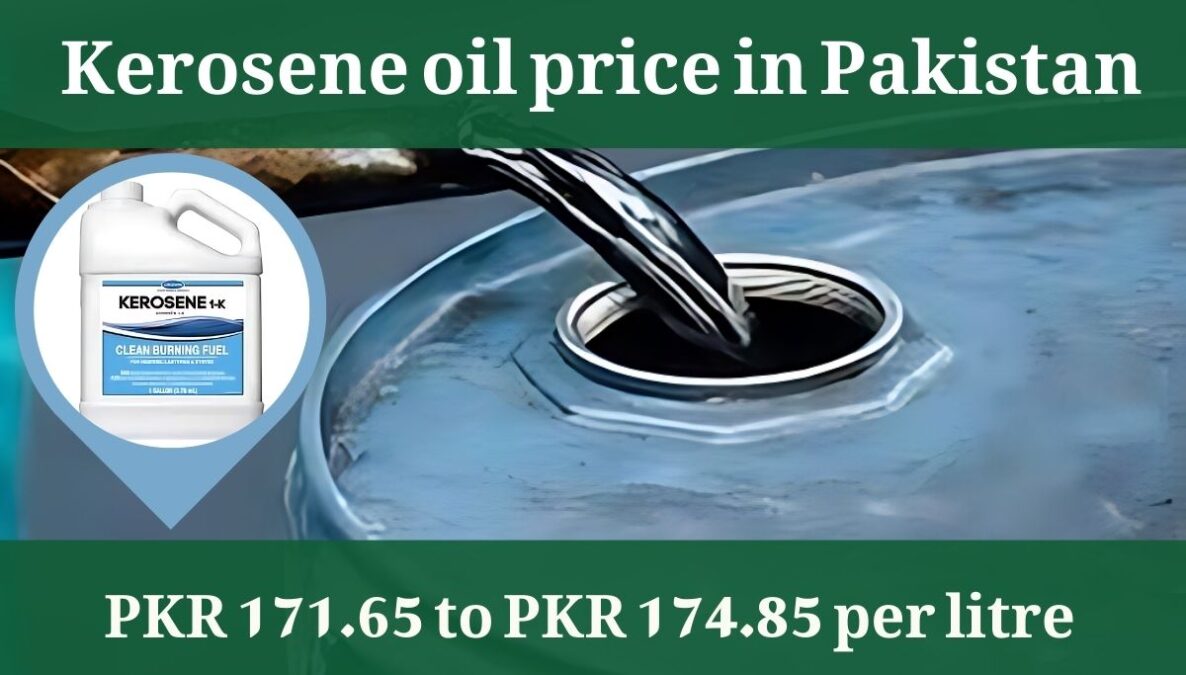
The current kerosene oil price in Pakistan today is PKR 171.65 to PKR 174.85 per litre as of July 2025. OGRA (Oil and Gas Regulatory Authority) revises these prices every 15 days, with rates varying slightly between cities due to transportation costs and local dealer margins.

Air Fryer Price in Pakistan
Air fryer prices in Pakistan range from Rs 19,200 to Rs 98,400, with most quality models falling between Rs 25,000 to Rs 70,000. Top brands like Philips, Dawlance, and Westpoint offer models across all price segments, with features ranging from...
Introduction & Overview
Pakistan’s kerosene oil market feels the heat of constant price changes. One day you’re planning your monthly budget around Rs. 165 per litre, the next day it’s jumped to Rs. 175.
This price volatility hits hardest when winter arrives. Rural households scramble to secure heating fuel, only to find their trusted dealers out of stock. City dwellers face similar frustrations – unclear pricing between government rates and what dealers actually charge.
We’ve built this guide to cut through the confusion. You’ll get real-time pricing data, understand why costs swing so dramatically, and learn how to plan your kerosene purchases smartly.
What is Kerosene Oil? (Complete Guide)
Kerosene oil – locally called “mitti ka tel” – flows as a clear, flammable liquid refined from crude oil. It sits between petrol and diesel in the distillation process.
Pakistan’s refineries extract kerosene at temperatures between 150°C to 300°C. The result burns cleaner than other fossil fuels, producing minimal smoke.
Small engines, heating systems, and lighting applications rely heavily on this versatile fuel across Pakistan.
Kerosene Oil vs Paraffin vs Mitti Ka Tel
These three names describe the same product in Pakistan. “Paraffin oil” comes from British terminology, while “mitti ka tel” translates literally as “earth oil” in Urdu.
Chemically, they’re identical – refined petroleum with a boiling point range of 150-300°C. Quality standards remain consistent regardless of the name used.
International markets use “kerosene” most commonly, which Pakistan has adopted for official documentation.
Importance of Kerosene Oil in Pakistan’s Energy Mix
Pakistan imports roughly 85% of its petroleum needs. Kerosene accounts for approximately 3-5% of total fuel consumption nationally.
Rural areas depend heavily on kerosene for cooking and heating. Urban households use it primarily for backup heating during gas shortages.
The industrial sector consumes kerosene for small machinery, agricultural equipment, and as a solvent in various processes.
Current Pricing Information
Today’s Kerosene Oil Price in Pakistan
| Source | Price (PKR/Litre) | Last Updated |
| GlobalPetrolPrices | 174.85 | Feb 03, 2025 |
| PakWheels | 171.65 | July 2025 |
| Gari.pk | 164.65 | July 2025 |
| ThepriceIndex | 191.00 | May 26, 2025 |
Live Price Updates (Updated Every 2 Weeks)
OGRA announces new prices on the 1st and 15th of each month, effective for the following 15 days. These revisions follow international oil market trends and exchange rate fluctuations.
Price notifications typically arrive 24-48 hours before implementation. Oil marketing companies adjust retail prices accordingly across their networks.
Historical Price Trends (Last 12 Months)
Historical data shows kerosene prices ranging from PKR 73.65 (lowest on 2021-01-04) to PKR 244.81 (highest on 2023-09-18). Recent months show relative stability compared to 2023’s extreme volatility.
Key price movements in 2024-2025:
- January 2025: PKR 160-165 range
- March 2025: PKR 168-172 range
- July 2025: PKR 171-175 range
Price Forecast & Analysis
Industry experts predict kerosene prices will remain within PKR 170-180 range through Q4 2025. This stability depends on global crude oil maintaining $70-75 per barrel pricing.
Currency depreciation poses the biggest risk factor. Every 5% rupee devaluation typically adds PKR 8-12 per litre to kerosene costs.
Geopolitical tensions in oil-producing regions could trigger sudden price spikes beyond current forecasts.
Geographic Price Variations
City-wise Kerosene Oil Prices
Transportation costs create price variations of PKR 2-5 per litre between major cities. Coastal areas like Karachi typically offer lower rates due to proximity to refineries.
| City | Current Price (PKR/Litre) | Price Range |
| Karachi | 171.65 | 170-173 |
| Lahore | 172.80 | 171-174 |
| Islamabad | 173.50 | 172-175 |
| Peshawar | 174.20 | 173-176 |
| Quetta | 175.90 | 174-178 |
Karachi Kerosene Oil Rates
Karachi maintains Pakistan’s lowest kerosene prices due to direct refinery access. Port Qasim and Keamari terminals handle most imports, reducing distribution costs.
PSO, Shell, and Total maintain major storage facilities here. Competition keeps dealer margins competitive, benefiting consumers.
Average price differential: PKR 3-4 lower than northern cities.
Lahore Current Prices
Punjab’s commercial hub sees steady kerosene demand from both urban and rural sectors. Distribution networks reach throughout central Punjab efficiently.
Prices typically track Karachi rates with a PKR 1-2 premium for transportation. Industrial demand from surrounding manufacturing areas maintains consistent supply.
“For broader fuel cost comparisons, see our complete LPG gas price guide“
Islamabad & Rawalpindi Rates
The twin cities share distribution networks, resulting in nearly identical pricing. Government offices and diplomatic missions create steady institutional demand.
Higher transportation costs from Karachi refineries add PKR 2-3 per litre compared to coastal pricing.
Peshawar & KPK Prices
Khyber Pakhtunkhwa faces the highest transportation costs due to distance from major refineries. Cross-border smuggling from Afghanistan occasionally affects local markets.
Security concerns in tribal areas sometimes disrupt distribution, causing temporary price spikes in remote regions.
Sindh Province Rates
Sindh benefits from having Pakistan’s largest refineries in Karachi. Rural areas within 200km of the port maintain competitive pricing.
Interior Sindh sees gradual price increases based on distance from distribution hubs.
Punjab Province Rates
Punjab’s extensive road network ensures relatively efficient kerosene distribution. Central Punjab maintains lower costs than northern regions.
Agricultural demand peaks during harvesting seasons, occasionally tightening local supplies.
Balochistan Rates
Pakistan’s largest province faces the highest kerosene costs due to challenging geography and limited infrastructure.
Coastal areas near Gwadar benefit from potential future supply improvements as port development continues.
Regulatory Framework & Updates
OGRA Price Notifications
The Oil and Gas Regulatory Authority (OGRA) controls petrol rates in Pakistan through fortnightly reviews. Price determinations consider multiple economic factors before final approval.
Each notification includes detailed breakdown of taxes, levies, and dealer margins. Implementation requires 24-48 hour notice to oil marketing companies.
Government Policy Impact
Federal policy changes directly affect kerosene pricing through taxation adjustments. Subsidy programs occasionally provide relief during economic hardship periods.
Provincial governments cannot override federal pricing, but may provide targeted subsidies for specific programs.
Taxation Structure (PDL, GST, Climate Support Levy)
Current tax components on kerosene:
- Petroleum Development Levy (PDL): PKR 3-6 per litre
- General Sales Tax (GST): 17% on kerosene
- Custom Duties: Applied on imported crude oil
- Climate Support Levy: Recently introduced environmental tax
“Understanding fuel taxation helps in budget planning – explore our cooking oil price analysis“
Fortnightly Review Process
OGRA collects international pricing data, exchange rates, and freight costs continuously. Review meetings occur 10 days before each pricing cycle.
Stakeholder consultations include oil marketing companies, refineries, and government representatives. Final recommendations go to the Finance Ministry for approval.
How OGRA Determines Prices
The pricing formula considers:
- International kerosene prices (FOB Singapore)
- Freight charges for imports
- USD/PKR exchange rate
- Refinery margins
- Distribution costs
- Government taxes and levies
Mathematical models calculate import parity pricing, which forms the base for retail rates.
Market Analysis & Factors
Factors Affecting Kerosene Oil Prices
Multiple interconnected factors drive daily price fluctuations in Pakistan’s kerosene market. Understanding these helps predict future trends.
Global Crude Oil Prices Impact
Global crude oil costs directly influence kerosene prices – as international rates rise or fall, local kerosene follows the same pattern. Pakistan imports nearly 85% of its petroleum needs, making it highly sensitive to global market shifts.
Brent crude oil movements translate almost immediately into local pricing. A $5 per barrel increase typically adds PKR 12-15 to kerosene costs.
OPEC production decisions, US inventory reports, and Middle Eastern tensions all ripple through to Pakistani pumps within days.
Exchange Rate Fluctuations (USD/PKR)
Currency devaluation creates immediate pricing pressure – a weaker rupee means higher import costs as oil purchases require more rupees per dollar.
Recent exchange rate impacts:
- 5% rupee depreciation = PKR 8-12 price increase
- 10% depreciation = PKR 15-20 price surge
- Sudden devaluations create immediate shortages as dealers delay purchases
Import Costs & Freight Charges
Ocean freight rates fluctuate based on global shipping demand. Pakistan’s reliance on Middle Eastern suppliers means tanker availability affects pricing.
Port congestion in Karachi occasionally delays shipments, creating temporary supply constraints. Suez Canal disruptions add significant freight premiums.
Storage facility limitations at ports sometimes force premium pricing for immediate delivery vessels.
Refinery Margins
Pakistan’s domestic refineries operate on thin margins, typically 8-12% of product value. Maintenance shutdowns reduce local production, increasing import dependence.
Refinery efficiency improvements can reduce kerosene costs by PKR 2-3 per litre. Outdated facilities sometimes produce lower yields, increasing overall costs.
Distribution Costs
Transportation from refineries to retail outlets adds PKR 5-8 per litre in distribution costs. Remote areas face premiums of PKR 10-15 due to difficult access.
Fuel truck availability during peak seasons affects distribution efficiency. Security concerns in certain regions increase transportation costs.
Government Taxes & Levies
Tax structure changes create immediate price impacts. Recent government revenue pressures have increased petroleum levy rates significantly.
“Government taxation affects all commodity prices – see how it impacts sugar pricing“
Comparative Analysis
Kerosene Oil vs Other Fuels
Smart fuel choices require understanding relative costs and efficiency across different options. Each fuel serves specific purposes based on application needs.
Kerosene vs Diesel Price Comparison
| Fuel Type | Current Price (PKR/Litre) | Energy Content | Cost per BTU |
| Kerosene | 171.65 | 43.1 MJ/kg | Lower |
| Diesel | 284.35 | 45.3 MJ/kg | Higher |
Diesel provides more energy per litre but costs significantly more. Kerosene works better for heating applications due to cleaner burning characteristics.
Agricultural machinery often runs on either fuel, making cost comparison crucial for farm operations.
Kerosene vs Petrol Cost Analysis
Petrol currently costs PKR 272.15 per litre compared to kerosene’s PKR 171.65, making kerosene roughly 37% cheaper per litre.
However, petrol engines can’t run on kerosene without modifications. Some small engines designed for both fuels provide flexibility during price volatility.
Kerosene vs LPG Economics
LPG costs PKR 254.86 per kg, but provides different energy characteristics. LPG offers instant heat control and cleaner burning for cooking applications.
Kerosene requires specific stoves and lighting procedures. LPG provides convenience at a premium price point.
Kerosene vs Natural Gas Comparison
Piped natural gas remains Pakistan’s cheapest heating fuel where available. Rural areas without gas connections rely heavily on kerosene alternatives.
Natural gas pricing stays heavily subsidized, making kerosene economically uncompetitive in connected areas. Infrastructure limitations restrict gas access to major urban centers
Applications & Uses
Residential Applications
Pakistani households use kerosene across multiple domestic needs, particularly in areas with limited electricity or gas access.
Cooking Fuel Usage
Rural families depend on kerosene stoves for daily cooking needs. These devices require proper ventilation and regular maintenance for safe operation.
Kerosene stoves heat up quickly and provide consistent flames for traditional cooking methods. Fuel efficiency varies significantly between stove designs.
Heating Applications
Winter heating drives Pakistan’s highest kerosene demand. Portable heaters warm single rooms efficiently without electrical requirements.
Room heaters burn 0.5-1.0 litres per hour depending on size and efficiency. Proper ventilation prevents carbon monoxide buildup indoors.
Lighting Solutions
Remote areas still use kerosene lamps during power outages. Modern pressure lamps provide bright, white light comparable to electric bulbs.
Hurricane lamps offer wind-resistant lighting for outdoor applications. Wick maintenance and fuel quality affect light output significantly.
Emergency Backup Fuel
Power outages create immediate kerosene demand for lighting and cooking. Smart households maintain 5-10 litre emergency supplies.
Generators running on kerosene provide backup electricity for essential appliances. Fuel consumption rates vary widely between generator types.
Industrial Applications
Pakistan’s industrial sector uses kerosene for specific manufacturing processes and equipment operations.
Manufacturing Uses
Solvent applications in chemical processing require high-purity kerosene grades. Cleaning operations use kerosene for degreasing machinery components.
Heat treatment processes sometimes use kerosene burners for controlled temperature applications. Quality specifications vary by industrial use.
Agricultural Equipment
Small tractors and irrigation pumps often run on kerosene in rural areas. Lower fuel costs help farmers manage operational expenses during planting and harvesting.
Crop drying operations use kerosene burners for grain processing. Proper combustion ensures food safety standards in agricultural applications.
“Agricultural cost management includes multiple commodities – see current cotton rates for farming decisions“
Construction Industry
Construction equipment like compressors and small generators frequently use kerosene fuel. Remote construction sites benefit from portable fuel supplies.
Road construction heating equipment melts asphalt using kerosene burners. Environmental regulations increasingly restrict such applications in urban areas.
Aviation Fuel (Jet Fuel)
Commercial aviation uses refined kerosene as jet fuel, though specifications differ significantly from household kerosene. Pakistani airports import specialized aviation-grade kerosene.
Small aircraft sometimes use automotive kerosene with proper additives. Aviation applications require strict quality control and testing protocols.
Purchasing Guide
Where to Buy Kerosene Oil in Pakistan
Reliable kerosene sources ensure product quality and fair pricing. Knowing authorized dealers protects against adulterated fuel purchases.
Authorized Dealers & Suppliers
Major oil marketing companies maintain extensive dealer networks:
PSO (Pakistan State Oil)
- Largest distribution network nationwide
- Quality assurance programs
- Standardized pricing across outlets
Shell Pakistan
- Premium grade kerosene available
- Urban-focused distribution
- Advanced storage facilities
Total Parco
- Competitive pricing structure
- Bulk supply capabilities
- Industrial customer focus
Bulk Purchase Options
Industrial and commercial buyers can access wholesale pricing through bulk purchases. Minimum orders typically start at 1,000 litres for wholesale rates.
Storage requirements include proper tanks, fire safety equipment, and environmental compliance measures. Bulk buyers save PKR 5-8 per litre compared to retail pricing.
Quality Standards & Grades
Pakistani kerosene follows international quality specifications:
- Specific Gravity: 0.78-0.84 at 15°C
- Flash Point: Minimum 38°C
- Sulfur Content: Maximum 0.25%
- Water Content: Maximum 0.05%
Premium grades offer lower sulfur content and cleaner burning characteristics. Industrial applications may require specialized grades with specific additives.
Storage Safety Guidelines
Proper kerosene storage prevents accidents and maintains fuel quality:
Container Requirements:
- Use only approved metal or plastic containers
- Avoid glass containers due to breakage risk
- Ensure tight-fitting lids prevent vapor escape
Location Guidelines:
- Store away from heat sources and open flames
- Maintain cool, dry storage areas
- Ensure proper ventilation in storage rooms
Safety Measures:
- Keep fire extinguishers nearby
- Train family members on emergency procedures
- Check containers regularly for leaks or damage
Transportation Regulations
Commercial kerosene transportation requires special permits and safety equipment. Licensed transporters must follow hazardous material handling protocols.
Personal transportation limits vary by province, typically allowing 20-50 litres in approved containers. Vehicle modifications may be required for larger quantities.
Economic Impact Analysis
Impact on Household Budgets
Kerosene price fluctuations directly affect family finances, particularly in rural areas where alternative fuel options remain limited.
Industrial Cost Implications
Manufacturing sectors using kerosene face immediate cost pressures during price increases. Small-scale industries often lack flexibility to switch fuel sources quickly.
Production cost increases typically pass through to consumer prices within 30-60 days. Export competitiveness suffers when local fuel costs exceed regional averages.
Inflation Correlation
Kerosene price movements correlate strongly with overall inflation trends. Energy cost increases ripple through transportation, manufacturing, and service sectors.
Central bank monetary policy considerations include fuel price stability in inflation targeting frameworks.
Rural vs Urban Impact
Rural households allocate 8-12% of income to fuel purchases compared to 3-5% in urban areas. Price increases hit rural families disproportionately hard.
Urban alternatives like electricity and gas reduce kerosene dependency. Rural areas lack infrastructure for fuel switching options.
Rural economic pressures affect multiple commodity markets – explore agricultural pricing trends
Low-Income Household Effects
Bottom quartile income families spend 15-20% of earnings on fuel needs. Kerosene price spikes force difficult choices between heating, cooking, and other necessities.
Government subsidy programs occasionally provide targeted relief but coverage remains limited. Informal sector workers face particular vulnerability during price volatility.
Future Outlook
Price Predictions 2025-2026
Industry forecasts suggest kerosene prices will trend upward gradually, reaching PKR 180-190 per litre by end-2025. Global oil market dynamics and currency stability will determine actual outcomes.
Conservative estimates assume:
- Brent crude oil: $70-80 per barrel range
- USD/PKR exchange rate: 280-300 range
- Stable government taxation policies
Optimistic scenarios could see prices stabilizing around current levels if global oil supplies increase significantly.
Market Trends Analysis
Several trends will shape Pakistan’s kerosene market:
Demand Shifts:
- Rural electrification reducing kerosene lighting needs
- Increased heating demand from climate change effects
- Industrial applications remaining steady
Supply Considerations:
- Refinery upgrades improving local production
- Import dependency continuing long-term
- Storage infrastructure requiring expansion
Alternative Energy Transition
Pakistan’s renewable energy push may reduce overall fossil fuel dependency over 5-10 years. Solar power adoption in rural areas directly competes with kerosene lighting applications.
Government incentives for LPG adoption could reduce kerosene cooking demand. Electric heating options become viable as grid reliability improves.
Government Policy Directions
Federal energy policy emphasizes reducing import dependency through domestic production increases. Tax policy may shift toward consumption taxes rather than import duties.
Environmental regulations could restrict kerosene use in certain applications. Clean air initiatives in major cities may affect indoor kerosene burning regulations.
Investment Opportunities
Kerosene distribution networks require significant infrastructure investment. Storage facility development offers stable returns in growing markets.
Efficient stove manufacturing presents opportunities as users seek fuel savings. Safety equipment and accessories create supporting business potential.
“Energy sector investments span multiple commodities – explore metal market opportunities“

