
Cooking Oil Price in Pakistan 2025: Complete Guide with Latest Rates
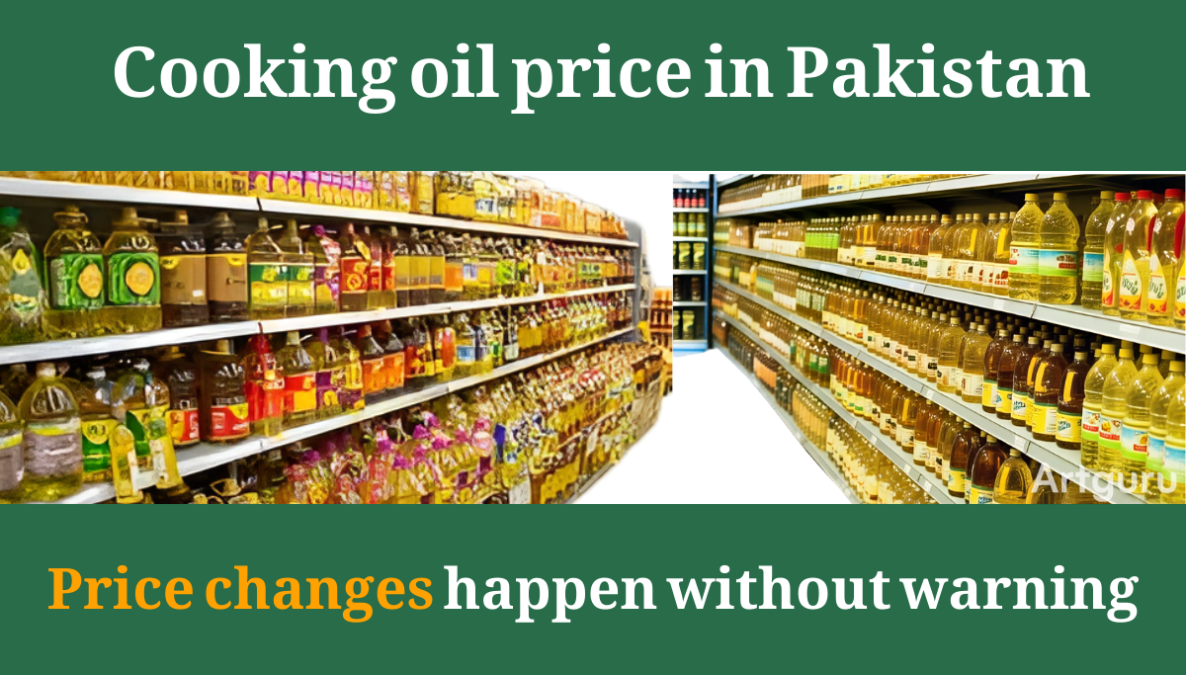
Cooking oil prices in Pakistan currently range from PKR 500 to PKR 580 per liter as of July 2025, depending on brand and type. This essential kitchen commodity affects every Pakistani household’s budget, with 5-liter bottles ranging from PKR 2,500 to PKR 3,000.

Air Fryer Price in Pakistan
Air fryer prices in Pakistan range from Rs 19,200 to Rs 98,400, with most quality models falling between Rs 25,000 to Rs 70,000. Top brands like Philips, Dawlance, and Westpoint offer models across all price segments, with features ranging from...
Introduction
Cooking oil prices are sky rocketing again. Your monthly grocery budget just took another hit. You’re standing in the market, confused between official rates and what vendors are actually charging.
We get it. Price changes happen without warning. Your carefully planned household budget gets thrown off track. You’re unsure which brand offers both safety and affordability.
But here’s what you really want: reliable daily price updates, city-wise comparisons, and smart buying decisions that protect your family’s health and wallet.
This guide delivers exactly that. We’ve compiled current market rates, analyzed price trends, and created actionable strategies to help you make informed cooking oil purchases in Pakistan’s volatile market.
What Determines Cooking Oil Prices in Pakistan?
Global commodity prices drive 70% of Pakistan’s cooking oil costs since the country imports significant portions from Indonesia, Malaysia, and Argentina. Currency fluctuations, government policies, and domestic production challenges complete the pricing puzzle.
Key price drivers include:
Global Market Dynamics: Palm oil and soybean price fluctuations in international markets directly impact local rates. When crop failures hit major producing countries, Pakistan feels the pinch within weeks.
Exchange Rate Impact: The Pakistani rupee’s performance against the dollar matters. Every rupee devaluation makes imported raw materials costlier.
Transportation Costs: Rising fuel prices mean higher distribution costs. Rural areas pay 15-20% more than urban centers due to logistics expenses.
Suggested Multimedia: Interactive map showing cooking oil price variations across Pakistan’s major cities with percentage differences from national average.
Current Market Overview (July 2025)
The cooking oil market is experiencing significant volatility. Premium brands have increased by PKR 15, reaching PKR 615 per liter, while economy brands now retail around PKR 500-520.
Market Snapshot:
- Premium segment: PKR 580-650 per liter
- Mid-range brands: PKR 520-580 per liter
- Economy options: PKR 500-530 per liter
- Local brands: PKR 480-510 per liter
Seasonal Impact: Eid festivities have pushed prices up by PKR 10-15 across all categories due to increased demand. This seasonal surge typically lasts 2-3 weeks before stabilizing.
Suggested Data Integration: Weekly price movement graph showing percentage changes over the past 12 months with seasonal pattern analysis.
How to Use This Price Guide
Think of this guide as your cooking oil compass. Check the brand-wise pricing tables before shopping. Compare regional rates if you’re traveling. Use our buyer’s tips to stretch your budget further.
Bookmark this page and check weekly updates. Prices change fast, but smart buying strategies remain constant.
Current Cooking Oil Prices in Pakistan
Premium Brands Pricing
Premium brands command higher prices but offer consistent quality and nutritional benefits.
How they work: Normally, your devices run on grid power. When electricity fails, the UPS switches to battery mode. There’s a brief 2-4 millisecond gap during switching—barely noticeable for most equipment.
| Brand | 1 Liter | 3 Liter | 5 Liter | 16 Liter |
| Dalda Cooking Oil | PKR 675 | PKR 2,040 | PKR 3,200 | PKR 10,240 |
| Kashmir Premium Gold | PKR 650 | PKR 1,950 | PKR 3,100 | PKR 9,920 |
| Mezan Olivola | PKR 694 | PKR 2,082 | PKR 3,315 | PKR 10,608 |
| Eva Sunflower Oil | PKR 580 | PKR 1,740 | PKR 3,440 | PKR 11,008 |
Health Focus: Premium brands typically offer vitamin-enriched formulations and better refining processes. They’re ideal for families prioritizing nutritional value.
Economy Brands Pricing
Budget-friendly options that don’t compromise on basic quality standards.
| Brand | 1 Liter | 3 Liter | 5 Liter | 16 Liter |
| Sultan Cooking Oil | PKR 620 | PKR 1,860 | PKR 2,950 | PKR 9,440 |
| Kisan Cooking Oil | PKR 650 | PKR 1,950 | PKR 3,100 | PKR 9,920 |
| Sufi Cooking Oil | PKR 630 | PKR 1,890 | PKR 3,015 | PKR 9,648 |
| OK Cooking Oil | PKR 690 | PKR 2,070 | PKR 3,280 | PKR 10,496 |
Smart Shopping Tip: Economy brands offer 15-20% savings compared to premium options while maintaining acceptable quality for everyday cooking.
Specialty Oils Pricing
Health-conscious consumers increasingly prefer specialty oils despite higher costs.
| Oil Type | 1 Liter | 3 Liter | 5 Liter |
| Canola Oil | PKR 805 | PKR 2,415 | PKR 3,825 |
| Sunflower Oil | PKR 630 | PKR 1,890 | PKR 3,015 |
| Olive Oil | PKR 1,200 | PKR 3,600 | PKR 5,700 |
| Corn Oil | PKR 999 | PKR 2,997 | PKR 4,746 |
Health Investment: Specialty oils cost 40-60% more but offer superior nutritional profiles. Canola and olive oils are doctor-recommended for heart health.
Regional Price Analysis
Major Cities Comparison
Location significantly impacts cooking oil prices across Pakistan’s urban centers.
| City | Premium Brands (Avg) | Economy Brands (Avg) | Price Variation |
| Karachi | PKR 615 | PKR 525 | Baseline |
| Lahore | PKR 625 | PKR 535 | +2% |
| Islamabad | PKR 635 | PKR 545 | +4% |
| Faisalabad | PKR 620 | PKR 530 | +1% |
| Peshawar | PKR 645 | PKR 555 | +6% |
| Quetta | PKR 655 | PKR 565 | +8% |
City-Specific Insights:
Karachi: Being a major metropolitan city, Karachi usually has competitive pricing due to its large number of retailers. Best variety and most competitive rates.
Lahore: Strong distribution network keeps prices close to Karachi levels. Weekend markets offer additional 5-10% discounts.
Islamabad: Higher operational costs reflect in slightly elevated prices. Premium brands dominate the market share.
Suggested Multimedia: Interactive price map allowing users to click on cities and see real-time pricing data with percentage differences.
Rural vs Urban Pricing
Transportation Cost Impact: In smaller cities or rural areas, the cost may be slightly higher due to transportation expenses and limited availability.
Rural areas typically pay:
- 15-25% higher than urban centers
- Limited brand variety
- Irregular supply during monsoon season
- Higher dependency on local distributors
Retailer Margin Differences:
- Urban retailers: 8-12% margin
- Rural retailers: 15-20% margin
- Wholesale markets: 5-8% margin
Availability Factors: Rural consumers often face stockouts during peak demand periods like Ramadan and Eid, forcing them to pay premium prices for available alternatives.
Suggested Data Integration: Supply chain map showing distribution routes and how transportation costs add to final retail prices in remote areas.
Price Trends & Market Analysis
Historical Price Trends (2024-2025)
The cooking oil price in Pakistan has experienced a steady upward trajectory in recent years due to the country’s uncertain political and economic conditions.
Monthly Price Movements:
- January 2024: PKR 450-480 per liter
- June 2024: PKR 480-510 per liter
- December 2024: PKR 520-550 per liter
- July 2025: PKR 580-615 per liter
Annual Growth Rate: 28% price increase from January 2024 to July 2025, significantly outpacing general inflation.
Seasonal Variations:
- Ramadan period: 10-15% price spike
- Post-harvest season (Nov-Dec): 5-8% decline
- Winter months: Relatively stable pricing
- Summer demand: 8-12% increase
Festival Season Impact: Eid festivities are shadowed by price hikes with both ghee and cooking oil soaring by up to PKR 15 per kg due to surge in demand.
Factors Affecting Prices
Global Palm Oil Rates: Malaysia and Indonesia palm oil futures directly correlate with Pakistani cooking oil prices. A 10% increase in global rates translates to 8-12% local price hike within 4-6 weeks.
Currency Exchange Impact: Pakistan imports a significant portion of its cooking oil from countries like Indonesia, Malaysia, and Argentina. Every rupee devaluation against the dollar increases import costs proportionally.
Import Duty Changes: Government policy shifts on import tariffs create immediate market reactions. Recent duty adjustments have added PKR 25-35 per liter to final consumer prices.
Local Production Costs: Domestic oil production faces challenges from rising energy costs, labor expenses, and raw material scarcity.
Suggested Data Integration: Correlation analysis showing relationship between global commodity prices, exchange rates, and local retail prices.
Brand-Wise Detailed Analysis
Top 10 Brands Comparison
Quality vs Price Ratio Analysis:
- Dalda: Premium quality, PKR 675/liter – Best overall value for traditional cooking
- Kashmir Premium Gold: High quality, PKR 650/liter – Excellent for health-conscious families
- Mezan Olivola: Premium blend, PKR 694/liter – Top choice for nutritional benefits
- Eva Sunflower: Health-focused, PKR 580/liter – Best value in specialty oils
- Kisan: Economy option, PKR 650/liter – Reliable quality at budget price
- Sultan: Budget-friendly, PKR 620/liter – Good for everyday cooking
- Sufi: Mid-range, PKR 630/liter – Balanced price-quality ratio
- Habib: Traditional choice, PKR 695/liter – Strong brand loyalty
- Soya Supreme: Health variant, PKR 686/liter – Popular among fitness enthusiasts
- OK Oil: Basic option, PKR 690/liter – Entry-level pricing
Nutritional Value Analysis:
- Vitamin E content: Eva and Mezan lead with 15-20mg per 100ml
- Cholesterol levels: All major brands maintain zero cholesterol
- Trans fat: Premium brands guarantee <0.1% trans fat content
- Omega fatty acids: Canola and sunflower variants offer best ratios
Consumer Reviews Summary: Based on market research and consumer feedback:
- Dalda: 4.2/5 rating for taste and cooking performance
- Kashmir: 4.0/5 rating for health benefits
- Eva: 4.1/5 rating for quality consistency
- Economy brands average: 3.6/5 rating
Import vs Local Brands
Price Differences:
- Imported brands: 20-30% premium over local alternatives
- Local production: Cost advantage through reduced transportation
- Hybrid approach: International standards with local production
Quality Standards:
- Imported oils: International certification requirements
- Local brands: Pakistan Standards and Quality Control Authority (PSQCA) compliance
- Processing standards: Modern refineries ensure comparable quality
Market Share Analysis:
- Local brands: 65% market share
- Imported brands: 25% market share
- Specialty imports: 10% market share
Local brands dominate due to price sensitivity, while imported options cater to premium segments.
Buyer’s Guide
How to Choose the Best Cooking Oil
Health Considerations:
Heart health should drive your oil selection. Oils like olive oil and canola oil are best for heart health. These oils can reduce the risks of heart attack and are suggested by doctors.
Consider these health factors:
- Cholesterol levels: All quality brands maintain zero cholesterol
- Vitamin content: Look for vitamin E and K fortification
- Smoking point: Higher smoking points suit Pakistani cooking styles
- Processing method: Cold-pressed options retain more nutrients
Budget Planning:
Calculate monthly consumption first. Average Pakistani family uses 3-4 liters monthly. Buying 5-liter packs reduces per-liter costs by 8-12%.
Budget Optimization Strategy:
- Economy brands save 15-20% monthly
- Bulk buying (16-liter) offers 12-15% discount
- Seasonal purchases during low-demand periods
- Brand switching based on promotional offers
Quality Indicators:
Visual Inspection:
- Clear, golden color without cloudiness
- Proper packaging seal integrity
- Manufacturing and expiry date verification
- Brand authenticity markers
Performance Tests:
- Minimal foaming during heating
- Neutral taste that doesn’t overpower food
- Consistent cooking results across batches
Where to Buy at Best Prices
Online vs Offline Pricing:
Online platforms often offer competitive rates due to reduced overhead costs:
- Online advantage: 5-10% cheaper than physical stores
- Bulk discounts: Better deals for larger quantities
- Delivery costs: Factor in PKR 150-250 delivery charges
- Quality assurance: Return policies for defective products
Offline Benefits:
- Immediate availability
- Physical quality inspection
- No delivery waiting time
- Relationship-based discounts
Wholesale Markets:
Major wholesale markets offer significant savings:
- Karachi: Jodia Bazaar and Soldier Bazaar
- Lahore: Akbari Mandi and Shah Alam Market
- Islamabad: Sabzi Mandi and Aabpara Market
- Savings potential: 12-18% below retail prices
Bulk Purchase Benefits:
Economies of scale work in your favor:
- 5-liter packs: 8-10% per-liter savings
- 16-liter containers: 15-18% cost reduction
- Group buying: Neighbors can pool purchases for better rates
- Storage considerations: Proper storage extends shelf life to 12-18 months
Price Monitoring Tips
Apps and Websites:
Several digital platforms help track cooking oil prices:
- Retailer apps: Daraz, Carrefour, Imtiaz for real-time pricing
- Price comparison sites: Enable cross-retailer comparison
- Government portals: PBS (Pakistan Bureau of Statistics) for official rates
- Social media groups: Consumer forums share market intelligence
Market Visit Timing:
Strategic timing maximizes savings:
- Early morning: Best selection and freshest stock
- End of month: Retailers clear inventory with discounts
- Off-peak days: Tuesday-Thursday avoid weekend premium pricing
- Season-end: Post-festival periods offer reduced rates
Negotiation Strategies:
Effective Bargaining Techniques:
- Compare competitor prices before negotiations
- Bundle purchases for better leverage
- Build relationships with regular suppliers
- Pay cash for additional discounts (2-3% typical)
- Buy during supplier promotional periods
Volume-Based Negotiation:
- 10+ liter purchases: Request 3-5% discount
- Monthly commitments: Secure fixed pricing
- Family group orders: Pool buying power
- Loyalty programs: Regular customer benefits
Health & Nutrition Guide
Healthiest Cooking Oils in Pakistan
Low Cholesterol Options:
All refined cooking oils maintain zero cholesterol, but some offer additional heart benefits:
Top Heart-Healthy Choices:
- Canola Oil: Lowest saturated fat content (7%)
- Sunflower Oil: Rich in vitamin E and omega-6 fatty acids
- Olive Oil: Monounsaturated fats support cardiovascular health
- Corn Oil: Balanced fatty acid profile with plant sterols
Vitamin-Enriched Variants:
Modern cooking oils include fortification for enhanced nutrition:
- Vitamin E: Antioxidant properties, 15-25mg per 100ml
- Vitamin A: Eye health support in select premium brands
- Omega fatty acids: Essential for brain and heart function
- Plant sterols: Natural cholesterol management compounds
Health Investment Calculation: Spending an extra PKR 100-150 monthly on premium health-focused oils provides significant long-term wellness benefits compared to medical costs.
Oil Type Recommendations
For Frying: High smoke point oils handle Pakistani cooking temperatures best:
- Sunflower oil: 440°F smoke point, ideal for deep frying
- Canola oil: 400°F smoke point, versatile for multiple cooking methods
- Palm oil: 450°F smoke point, traditional choice for crispy results
For Cooking: Daily cooking requires balanced performance oils:
- Dalda: Consistent results across curry and vegetable preparation
- Kashmir: Good heat stability for traditional Pakistani dishes
- Eva: Health benefits without compromising taste
For Baking: Neutral-tasting oils work best for baked goods:
- Sunflower oil: Doesn’t interfere with dessert flavors
- Canola oil: Light texture suitable for cakes and pastries
- Corn oil: Sweet undertones complement baking applications
For Salads: Cold applications benefit from premium options:
- Olive oil: Classic choice for dressings and marinades
- Sunflower oil: Light taste for delicate salad preparations
- Canola oil: Neutral profile suits mixed green salads
Future Outlook
Price Predictions 2025
Market Expert Opinions:
Industry analysts predict continued volatility through 2025:
Short-term Outlook (Next 6 months):
- Expected 8-12% price increase during winter months
- Global supply chain stabilization may moderate growth
- Currency stability crucial for price control
Long-term Projections (2025-2026):
- Annual inflation rate: 15-20% for cooking oils
- Premium segment growth: Increased demand for health-focused options
- Local production expansion: Government initiatives to reduce import dependency
Economic Factors:
Inflation Impact: Rising demand has also influenced the increase in cooking oil prices. As the country’s population grows, greater consumption of edible oils for domestic cooking and the food service industry has resulted.
Currency Stabilization: Rupee strength against the dollar remains critical for import-dependent pricing.
Supply Chain Improvements: Infrastructure development may reduce distribution costs by 5-8%.
Government Policy Impact:
Import Policy Changes:
- Reduced import duties could lower prices by PKR 25-35 per liter
- Quality standards enforcement may eliminate substandard products
- Strategic reserves development for price stability
Local Production Incentives:
- Tax breaks for domestic oil production
- Agriculture support for oilseed cultivation
- Technology transfer programs for modern processing
New Products & Trends
Organic Oil Market:
Growing health consciousness drives organic segment expansion:
- Current market share: 3-5% of total cooking oil market
- Growth projection: 25-30% annually
- Price premium: 40-60% above conventional options
- Target demographic: Urban, health-conscious consumers
Cold-Pressed Options:
Traditional processing methods gain popularity:
- Nutritional benefits: Higher vitamin and antioxidant retention
- Price positioning: 30-50% premium over refined oils
- Availability: Limited to specialty stores and online platforms
- Consumer education: Awareness campaigns about processing benefits
Health-Focused Brands:
Specialized formulations target specific health needs:
- Heart-healthy blends: Omega-3 enriched formulations
- Diabetic-friendly oils: Low glycemic impact options
- Weight management: Oils with metabolism-boosting properties
- Anti-inflammatory: Antioxidant-rich specialty blends
Packaging Innovations:
- Eco-friendly options: Biodegradable packaging alternatives
- Portion control: Single-use sachets for controlled consumption
- Smart packaging: QR codes for authenticity verification
- Vacuum-sealed: Extended shelf life technology
Technology Integration:
- Price tracking apps: Real-time market updates
- Quality testing: Smartphone-based authenticity checks
- Supply chain transparency: Blockchain-based traceability
- Personalized nutrition: AI-driven oil recommendations


