Ramzan Package 2026 in Pakistan: What Citizens Need to Know
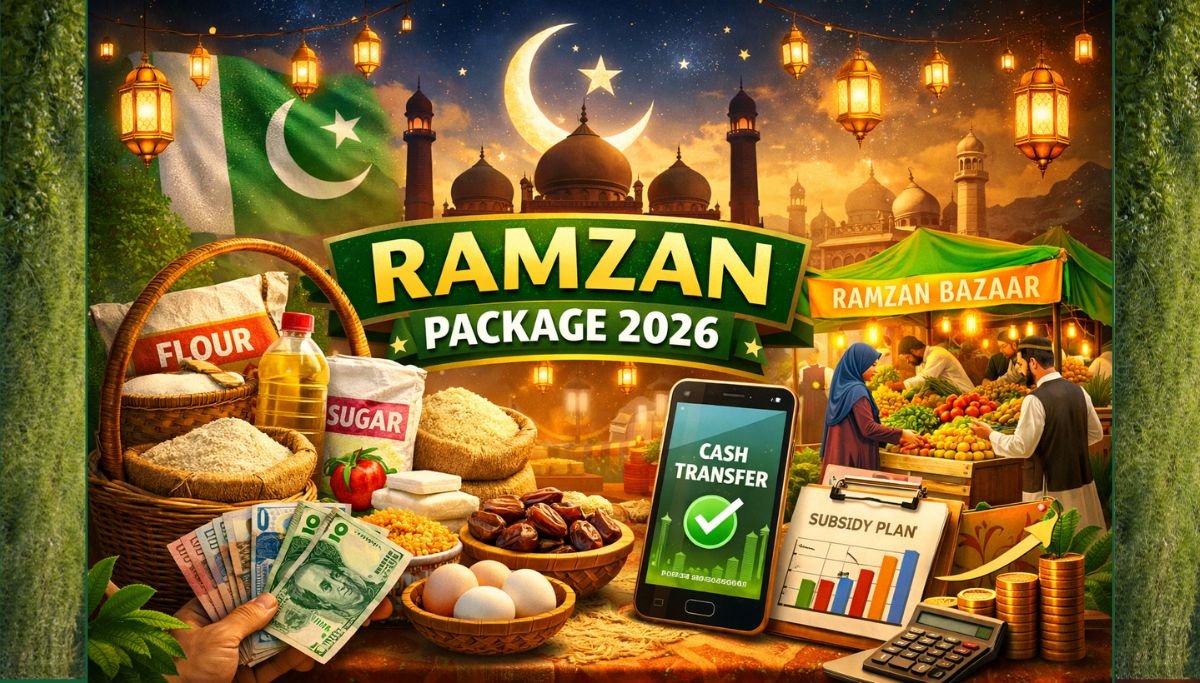
As millions of Muslims in Pakistan prepare for the holy month of Ramzan 2026, the government has rolled out an updated Ramzan package aimed at providing relief to low-income families and stabilizing food prices during the fasting month. With inflation still a pressing concern, authorities are hoping this year’s package delivers more transparency, efficiency, and real benefits on the ground.
Understanding the Ramzan Package: A Clear Overview
Each year, the government introduces a Ramzan package to help families manage higher living costs during the holy month. This package combines cash support, subsidized essentials, and market interventions to ease financial pressure on everyday households.
In 2026, Prime Minister Shehbaz Sharif has personally directed the preparation of an enhanced and more beneficial Ramzan relief package, including modern digital disbursement mechanisms to reduce corruption and improve access.
Major Components of the 2026 Ramzan Package
Digital Cash Support
This year’s policy emphasizes digital wallet transfers so families receive funds directly in their accounts. This method is designed to:
- Reduce queueing at utility stores.
- Increase transparency in distribution.
- Preserve dignity by minimizing public registration hassles.
Officials have pointed out that digital relief has worked well in previous years, with millions of families receiving targeted cash support digitally. approachpakistan
Price Controls and Sahulat Bazaars
To counter inflationary pressure on essential goods, authorities are setting up Sahulat Bazaars across multiple districts. For example:
- Rawalpindi Division announced 16 Sahulat Bazaars to serve Rawalpindi, Murree, Attock, Chakwal, and Jhelum.
These markets aim to offer key items like flour, sugar, ghee, and pulses at controlled prices. It’s a move to stop price gouging — a common headache during Ramadan shopping rushes.
Why This Package Matters in 2026
Pakistan’s economy has been battling rising inflation and strained household incomes. During Ramzan, demand for food and commodities spikes as families stock up for Iftar and Sehri. Without intervention, this demand often translates into higher prices and profiteering.
Last year’s experiences showed that targeted relief can make a measurable difference. In 2025, around 2.6 million families benefited from the Ramazan package via digital wallet transfers, helping them manage basic needs during fasting days. approachpakistan
This year, policymakers appear intent on building on that momentum with:
- Broader coverage.
- Enhanced digital transparency.
- Expanded price-controlled bazaars.
Putting regular households first, rather than long, inefficient physical queues, is a key goal this time around.
Real Stories: What Citizens Are Saying
Humor often emerges in everyday conversations during Ramzan. One national forum joke summed it up well: “If pricing was a sport, Ramzan markets would win gold every year”. Local shoppers sometimes share laughs about how prices rise faster than the call to prayer on busy bazaar days. (While light-hearted, this reflects real frustrations shared by many about pricing trends during Ramadan.)
While laughter helps cope, citizens also demand real solutions. The 2026 package’s emphasis on digital distribution and price regulation is a step in that direction.
Past Lessons: Why Reforms Were Urgent
Historically, Ramzan relief packages relied heavily on physical distribution through entities like utility stores. But such systems faced challenges — long queues, limited transparency, and sometimes subpar quality of goods.
In 2025, the government chose to avoid relying on utility stores and instead promoted digital channels to ensure better oversight.
Experts believe that embracing technology is critical, not just for Ramadan, but for future large-scale social programs.
What to Expect This Year: Timeline & Implementation
While exact official dates can vary, the Ramzan package rollout typically aligns with the start of the month — which in 2026 is expected around mid-February. Officials monitor market readiness, ensure Sahulat Bazaars are operational, and test digital systems before mass roll-outs begin.
Authorities also encourage low-income households to register early for relief programs, and provide helplines and online tools to make the process smoother, especially for the new digital models being implemented.
Key Challenges Ahead
Despite strong intentions, there are real challenges:
Inflation and Market Forces
Even with price controls, global and local market pressures can push prices upward — especially for imported essentials like oil and sugar.
Distribution Logistics
Setting up bazaars, managing stock, and ensuring quality goods reach buyers in time requires coordination at national and local levels.
Digital Inclusion
Not all households are comfortable with digital wallets or online registration. Educating users and providing support is essential to avoid leaving vulnerable people behind.
Public Opinion: Hope vs. Skepticism
There’s a mix of hope and mild skepticism in public discourse. Many citizens appreciate relief efforts, but others question whether promised controls always reach everyday surfaces.
In online community boards, some users cheekily remarked that calling a program “corruption-free” almost invites jokes about the word “free” in politics — though these jokes also show how much the public wants effective, honest governance.
Such reactions highlight the need for transparent execution backed by real data, not just campaign slogans.
Ramzan Package 2026: Final Takeaways
The Ramzan package 2026 signals a clear effort by the Pakistani government to:
✔ Support families with direct cash aid via digital wallets.
✔ Keep essential commodity prices in check with regulated markets and Sahulat Bazaars.
✔ Use technology to improve delivery and reduce waste.
✔ Make relief efforts more transparent and accountable than ever before.
These strategies make sense on paper — and early signals suggest citizens will feel more empowered and less stressed during Ramadan.