
Gul Plaza Fire – Accident or Conspiracy? Another Merchant’s Story Raises Questions
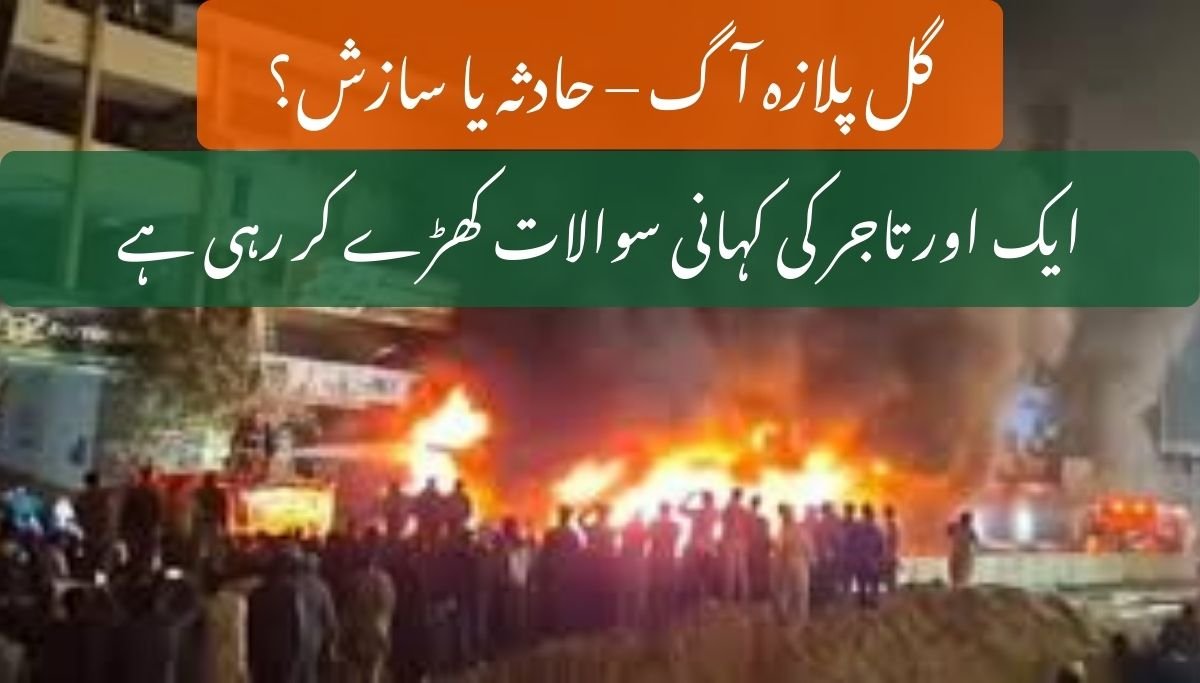
Karachi, Pakistan – January 19, 2026: The devastating Gul Plaza Fire has rocked Karachi and sparked a debate that goes beyond flames and destruction: was this just an accident, or is there more beneath the smoke? As rescue operations continue and authorities investigate the cause, merchants and the public alike are asking questions, hoping for clarity and accountability.
The blaze at Gul Plaza, one of Karachi’s largest shopping complexes, has destroyed hundreds of shops and left families devastated. While preliminary reports point to an electrical short circuit as the likely cause, anecdotal accounts from affected merchants suggest a faster-than-normal fire spread, raising eyebrows and suspicions of negligence or worse. Check official sites for live changes
The Night of the Fire
On January 17, 2026, around 9:30 PM, smoke was first reported in the MA Jinnah Road shopping complex. Flames quickly spread through the multi-level building, which housed over 1,200 shops, many selling flammable goods such as carpets, plastics, textiles, and electrical appliances. Emergency teams rushed to the site, but the sheer scale of the fire, combined with blocked exits and heavy smoke, made rescue operations extremely difficult.
Eyewitnesses reported thick black smoke rising above the complex, visible from several kilometers away. Local authorities immediately declared a state of emergency, and multiple firefighting units from Karachi’s fire department, Rescue 1122, and even the Pakistan Navy were mobilized to control the blaze.
Death Toll and Missing Persons
As of January 19, the confirmed death toll has reached 26, with more than 60 individuals still missing, many feared trapped under debris. Rescue teams have recovered bodies from collapsed sections, while others remain unaccounted for due to structural instability and lingering flames.
Authorities warn that the number of casualties could rise. Families wait anxiously outside the complex, praying for news. This human cost highlights the gravity of the tragedy and the urgency of effective fire safety measures in Karachi’s commercial hubs.
Initial Investigation: Accident or Conspiracy?
Sindh police and fire department officials indicate that a short circuit in the electrical system could have triggered the fire.
However, the story isn’t as straightforward. One merchant, whose shop was completely destroyed, reported sparks appearing seconds before the fire engulfed the store. He claimed the blaze spread unusually fast and questioned the functionality of the fire suppression systems. While these statements are anecdotal, they raise serious questions about whether negligence or lack of safety compliance contributed to the disaster. reddit.com
Merchant Perspectives: Voices from the Ground
The merchant story is a crucial piece of the puzzle. Many shopkeepers allege that fire exits were blocked or inadequately marked, making evacuation difficult. Others point to a lack of proper emergency drills or functional alarms. These accounts, while not officially verified, reflect a larger concern about regulatory oversight in Karachi’s commercial areas.
One trader, who requested anonymity, said, “We tried to alert everyone, but smoke filled the staircases instantly. The fire seemed to spread almost like someone was fanning it.” While dramatic, such eyewitness testimonies cannot be ignored, especially when corroborated by multiple merchants across different floors.
Safety Lapses: A Pattern in Urban Karachi
Investigators have noted recurring issues in commercial buildings in Karachi:
- Outdated electrical wiring prone to short circuits
- Overcrowded shops with flammable materials
- Locked or inaccessible fire exits
- Poor enforcement of building codes
Gul Plaza, despite being a landmark shopping destination, exhibited several of these vulnerabilities. The rapid fire spread and difficulty in rescue operations underscore how structural and regulatory failures can exacerbate such incidents.
Government and Legal Response
The Sindh High Court has already received petitions calling for accountability. Citizens and traders are demanding that officials responsible for building inspections and fire safety enforcement be held accountable. approachpakistan.com
Legal experts suggest these petitions could set a precedent for stricter oversight of commercial spaces, potentially reshaping fire safety protocols in Karachi.
Heroism Amid Disaster
Despite the chaos, brave firefighters and civilians acted heroically. Rescuers risked collapsing structures and extreme heat to save trapped individuals. Several stories of personal sacrifice have emerged, highlighting the human spirit amidst tragedy.
One firefighter reportedly entered a smoke-filled floor multiple times to guide trapped merchants to safety. These acts of courage stand in stark contrast to the preventable lapses that contributed to the scale of destruction.
Economic Fallout
The fire destroyed over 1,200 shops, causing losses running into billions of rupees. Many affected traders did not have insurance, meaning recovery will be slow. Entire families, some with businesses spanning decades, now face financial uncertainty.
This disaster is not just a human tragedy, but also a financial one, underlining the importance of business continuity planning and fire safety measures for small and medium enterprises in Pakistan.
Public Reaction: From Shock to Outrage
Social media reflects a blend of grief, outrage, and calls for reform:
- Citizens demand government accountability
- Many blame mall owners for safety negligence
- Some share personal stories of losses and narrow escapes
This response is crucial. Public pressure can drive meaningful policy changes and compel authorities to enforce existing safety standards more rigorously.
Accident or Conspiracy?
While there is no concrete evidence of foul play, the rapid spread of the fire and blocked exits raise legitimate concerns. Authorities have ruled out terrorism or intentional arson so far, but the public debate continues. The merchant story, although anecdotal, has brought attention to potential lapses in safety, planning, and emergency response.
In a city like Karachi, where urban density and commercial activity are high, disasters such as this underscore the need for:
- Rigorous building inspections
- Upgraded fire safety infrastructure
- Regular drills and training for staff
- Transparent reporting and accountability
Lessons Learned
Even if this incident remains an “accident,” it highlights systemic issues in urban safety management. Steps for improvement include:
- Mandatory fire safety audits for all commercial complexes
- Proper evacuation signage and accessible fire exits
- Electrical system upgrades in older buildings
- Training for shopkeepers on emergency protocols
Without such measures, tragedies like the Gul Plaza Fire 2026 may repeat.
Conclusion
The Gul Plaza Fire – Accident or Conspiracy? debate is likely to continue as investigations proceed. What is indisputable, however, is the human toll, economic devastation, and urgent need for reform.
Karachi has witnessed fire-related disasters before, but this incident, coupled with merchant accounts and public outrage, may finally push authorities toward meaningful change. Whether accident or negligence, the fire serves as a stark reminder: urban safety cannot be ignored.
Families, merchants, and the public continue to watch closely, hoping that justice and preventive measures will emerge from the ashes.