The Complete Guide to Solar Panel Prices in India 2025
Direct Answer: Solar Panel Price in India
Solar panels in India cost ₹16-32 per watt installed, with 1kW systems starting from ₹50,000 after subsidies. Monocrystalline panels cost ₹22-28/watt while polycrystalline options range ₹17-22/watt. Government subsidies reduce costs by ₹14,588-78,000 depending on system size.
Finding the right solar panel price shouldn’t feel like solving a puzzle. We get it – you’re bombarded with quotes ranging from ₹40,000 to ₹80,000 for the same 1kW system. One installer says monocrystalline, another pushes polycrystalline.
The confusion multiplies when subsidies enter the picture. Your neighbor in Gujarat got 40% off, but you’re in Maharashtra wondering if you qualify. Hidden costs lurk everywhere – inverters, batteries, installation, permits.
Here’s the truth: solar pricing has standardized significantly in 2025. We’ll break down every rupee, explain why prices vary, and show you exactly what to expect.
1. Executive Summary
Current Market Overview
India’s solar market hit a sweet spot in 2025. Manufacturing capacity doubled from 2023 levels. Chinese component costs dropped 20% due to oversupply. Government subsidies became more accessible through digital platforms.
The result? Solar installations became 30% cheaper than 2022 prices. A typical 3kW home system that cost ₹3.5 lakhs now costs ₹2.1-2.4 lakhs after subsidies.
Key Price Drivers
Three factors control solar prices today. Manufacturing scale economics pushed panel costs to historic lows. Government policies like PM Surya Ghar streamlined subsidy delivery. Installation competition drove service costs down.
Current Price Ranges by System Size
| System Size | Total Cost (Before Subsidy) | After Government Subsidy | Monthly Savings |
| 1kW | ₹65,000-75,000 | ₹50,412-60,412 | ₹800-1,200 |
| 2kW | ₹1,25,000-1,45,000 | ₹96,824-1,16,824 | ₹1,600-2,400 |
| 3kW | ₹1,85,000-2,15,000 | ₹1,39,648-1,69,648 | ₹2,400-3,600 |
| 5kW | ₹3,00,000-3,50,000 | ₹2,21,000-2,71,000 | ₹4,000-6,000 |
“explore our detailed solar inverter price guide to understand complete system costs”
Bottom-line Recommendations
Buy monocrystalline panels if your roof space is limited. Choose polycrystalline for maximum cost savings. Always get three quotes from MNRE-empaneled vendors.
Apply for subsidies before installation starts. The process takes 15-30 days but saves ₹15,000-78,000. Check state-specific incentives on top of central schemes.
2. Understanding Solar Panel Pricing
2.1 Price Components Breakdown
Solar systems aren’t just panels. Four main components determine your final bill. Understanding this breakdown helps you negotiate better and spot inflated quotes.
Detailed Cost Structure
| Component | Percentage | Cost per kW | Description |
| Solar Panels | 60-65% | ₹18,000-20,800 | Modules, mounting structure |
| Installation | 15-20% | ₹4,800-6,400 | Labor, commissioning, safety |
| Inverter & Electronics | 10-15% | ₹3,200-4,800 | Power conversion, monitoring |
| Permits & Approvals | 5-10% | ₹1,600-3,200 | Documentation, connections |
Panels dominate costs, but installation quality matters more. A ₹2,000 saving on panels can cost ₹20,000 later if installed poorly.
Inverter costs vary dramatically. String inverters cost ₹8,000-12,000 per kW. Microinverters cost ₹15,000-20,000 per kW but last longer.
2.2 Price Per Watt Analysis
Current Market Rates: ₹16-32 per watt
This wide range confuses buyers. Here’s why prices vary and what you should pay.
Price Tiers by System Quality
| Quality Tier | Price Range | Panel Type | Warranty | Best For |
| Budget | ₹16-20/watt | Poly, Tier-2 brands | 10-15 years | Price-sensitive buyers |
| Standard | ₹20-24/watt | Mono, Indian brands | 20-25 years | Most homeowners |
| Premium | ₹24-28/watt | Mono, global brands | 25+ years | Quality-focused buyers |
| Ultra-Premium | ₹28-32/watt | Bifacial, TOPCON | 25-30 years | Future-proofing |
Capacity-Based Pricing Tiers
Larger systems cost less per watt. Installers offer volume discounts above 3kW capacity.
- 1-2kW systems: ₹24-32/watt (highest per-watt cost)
- 3-5kW systems: ₹20-26/watt (sweet spot for homes)
- 5-10kW systems: ₹18-24/watt (bulk pricing kicks in)
- 10kW+ systems: ₹16-22/watt (commercial rates)
Technology Premium Comparisons
Advanced technologies command higher prices but offer better performance. Here’s what you’re paying for:
- Monocrystalline premium: +15-20% over polycrystalline
- Half-cut cell premium: +8-12% over standard cells
- Bifacial premium: +12-18% over monofacial
- TOPCON premium: +20-25% over standard mono
3. Solar Panel Types and Pricing
3.1 Monocrystalline Solar Panels
Price range: ₹22-28/watt | Efficiency: 19-22%
Monocrystalline panels dominate 70% of residential installations. They’re made from single silicon crystals, creating uniform dark appearance and higher efficiency.
Top Monocrystalline Panel Pricing
| Brand | Price Range (₹/watt) | Efficiency | Warranty Years |
| Loom Solar | ₹24-26 | 20.5-21.2% | 25 |
| Waaree | ₹22-25 | 20.8-21.5% | 25 |
| Adani Solar | ₹23-26 | 20.2-21.0% | 25 |
| Tata Power | ₹25-28 | 21.0-21.8% | 25 |
| Vikram Solar | ₹23-25 | 20.5-21.3% | 25 |
Best Use Cases
Choose monocrystalline if you have limited roof space. Their higher efficiency means more power per square foot. They perform better in low light conditions too.
They’re ideal for urban homes where every square meter counts. Premium aesthetics make them perfect for visible installations.
Performance stays consistent over 25+ years. Annual degradation rates stay below 0.4%, ensuring long-term returns.
3.2 Polycrystalline Solar Panels
Price range: ₹17-22/watt | Efficiency: 15-17%
Polycrystalline panels offer the best price-to-power ratio. Made from multiple silicon crystals, they have lower efficiency but significant cost advantages.
Polycrystalline Panel Pricing
| Brand | Price Range (₹/watt) | Efficiency | Best Application |
| Luminous | ₹17-19 | 15.8-16.5% | Budget installations |
| Renewsys | ₹18-20 | 16.2-16.8% | Large rooftops |
| Premier Solar | ₹18-21 | 16.0-16.7% | Commercial projects |
| Goldi Solar | ₹17-19 | 15.5-16.2% | Rural installations |
Cost-Effectiveness Analysis
Polycrystalline panels deliver 20-25% lower costs per watt. For large rooftops where space isn’t constrained, they’re the smart choice.
A 5kW polycrystalline system costs ₹85,000-1,10,000 vs ₹1,10,000-1,40,000 for monocrystalline. The ₹25,000-30,000 savings can fund additional capacity.
Their blue appearance might not suit all aesthetic preferences. Performance drops slightly faster than monocrystalline – about 0.6% annually vs 0.4%.
3.3 Half-Cut and Bifacial Panels
Price premium: 10-15% higher | Additional Benefits: 5-12% more power
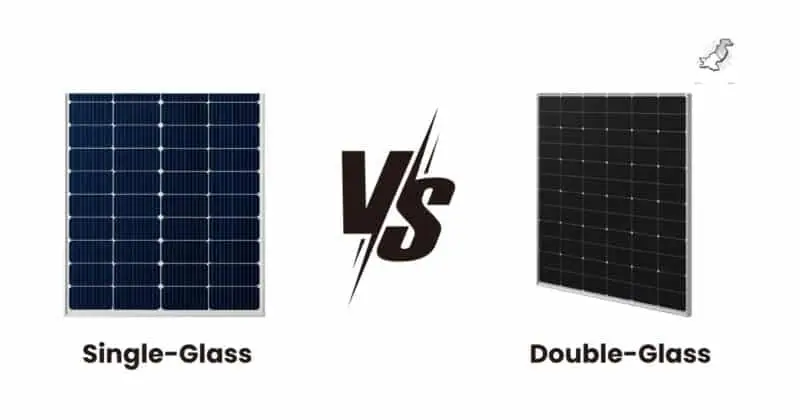
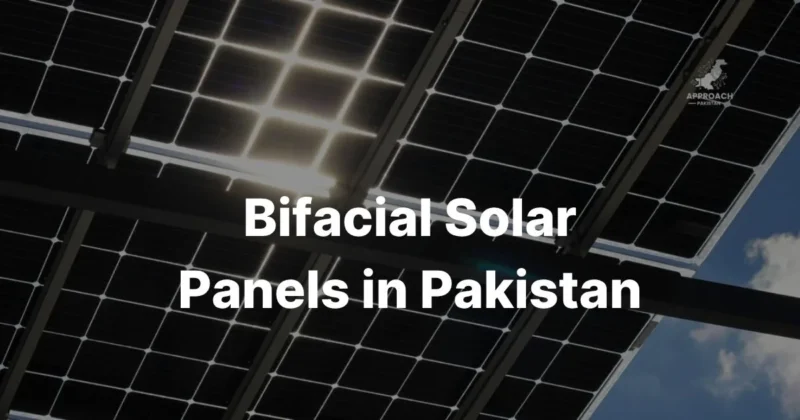
Half-cut technology splits standard cells into halves, reducing resistance losses. Bifacial panels capture light from both sides.
Advanced Panel Technology Pricing
| Technology | Price Premium | Power Gain | Payback Impact |
| Half-cut Mono | +8-12% | +3-5% | -3 months |
| Half-cut Poly | +10-15% | +2-4% | -2 months |
| Bifacial Mono | +12-18% | +8-12% | -6 months |
| Bifacial Poly | +15-20% | +6-10% | -4 months |
Performance Benefits
Half-cut panels perform better in partial shading. When one half gets shaded, the other continues producing power.
Bifacial panels work exceptionally well on white rooftops or ground-mounted systems. Reflected light from below adds 8-12% extra generation.
ROI Calculations
Higher upfront costs get recovered through additional power generation. Half-cut panels typically recover premium costs within 2-3 years.
Bifacial panels in optimal conditions recover costs within 4-5 years. They’re especially attractive for commercial installations with reflective surroundings.
3.4 TOPCON and Advanced Technologies
Price range: ₹25-32/watt | Efficiency: 22-24%
TOPCON (Tunnel Oxide Passivated Contact) represents next-generation solar technology. These panels achieve industry-leading efficiency ratings.
TOPCON Panel Availability and Pricing
| Brand | Price (₹/watt) | Efficiency | Availability |
| Adani Solar | ₹28-32 | 22.2-23.1% | Limited stock |
| Tata Power | ₹29-32 | 22.5-23.5% | Pre-order basis |
| Waaree | ₹27-30 | 22.0-22.8% | Select dealers |
Future-Proofing Considerations
TOPCON technology offers superior temperature coefficients. They lose less power in hot Indian conditions compared to standard panels.
25-30 year warranties provide extended protection. Manufacturing processes ensure minimal degradation – often below 0.3% annually.
Technology Roadmap
TOPCON costs will drop 15-20% by 2026 as production scales up. Early adopters pay premium prices but get cutting-edge technology.
Consider TOPCON if you’re installing once for 25+ years. The technology gap with standard panels will widen over time.
4. System Capacity and Pricing
4.1 Residential Systems (1kW-10kW)
Home solar systems typically range 1-10kW based on electricity consumption and roof space. Here’s detailed pricing for common residential configurations.
1kW System: ₹50,000-75,000
Perfect for small homes consuming 100-150 units monthly. Fits on 100 square feet roof space.
Complete 1kW System Breakdown
| Component | Specification | Cost Range |
| Solar Panels (4 x 250W) | Mono/Poly | ₹18,000-22,000 |
| Inverter (1kW) | String/PWM | ₹8,000-12,000 |
| Mounting Structure | Galvanized steel | ₹6,000-8,000 |
| DC/AC Cables | 4mm² copper | ₹3,000-4,000 |
| Installation | Labor + commissioning | ₹8,000-12,000 |
| Earthing & Protection | MCB, surge protection | ₹4,000-6,000 |
| Total Before Subsidy | – | ₹47,000-64,000 |
| Government Subsidy | ₹14,588 | -₹14,588 |
| Final Cost | – | ₹32,412-49,412 |
3kW System: ₹1,50,000-2,25,000
Most popular residential size, suitable for families consuming 300-400 units monthly.
3kW System Complete Pricing
| System Type | Before Subsidy | After Subsidy | Monthly Savings |
| Polycrystalline | ₹1,50,000 | ₹1,06,236 | ₹2,200-2,800 |
| Monocrystalline | ₹1,80,000 | ₹1,36,236 | ₹2,400-3,000 |
| Half-cut Mono | ₹1,95,000 | ₹1,51,236 | ₹2,500-3,200 |
| Bifacial Mono | ₹2,10,000 | ₹1,66,236 | ₹2,700-3,500 |
Government subsidy for 3kW: ₹43,764 (₹14,588 per kW)
5kW System: ₹2,50,000-3,75,000
Ideal for larger families or homes with high consumption (500+ units monthly).
5kW System Analysis
Component costs scale favorably at 5kW capacity. Per-watt installation costs drop 10-15% compared to smaller systems.
| Component | 3kW Cost | 5kW Cost | Savings per kW |
| Panels | ₹54,000-72,000 | ₹80,000-1,10,000 | ₹2,000-3,000 |
| Inverter | ₹18,000-24,000 | ₹25,000-35,000 | ₹3,000-4,000 |
| Installation | ₹15,000-20,000 | ₹20,000-28,000 | ₹1,000-1,500 |
4.2 Commercial Systems (10kW-100kW)
Commercial installations benefit from bulk pricing and simplified installation. Costs drop significantly per kW.
Bulk Pricing Advantages
| System Size | Price per kW | Total Investment | Monthly Generation |
| 10kW | ₹48,000-58,000 | ₹4.8-5.8L | 1,200-1,400 units |
| 25kW | ₹42,000-52,000 | ₹10.5-13L | 3,000-3,500 units |
| 50kW | ₹38,000-48,000 | ₹19-24L | 6,000-7,000 units |
| 100kW | ₹35,000-45,000 | ₹35-45L | 12,000-14,000 units |
Installation Complexities
Commercial systems require structural engineering assessments. Roof load calculations and strengthening might add ₹50-100 per square foot.
Three-phase connections need specialized inverters costing ₹15,000-25,000 per 10kW. Grid synchronization equipment adds another ₹20,000-40,000.
Financing Options
Banks offer attractive commercial solar loans at 8.5-11% interest. Loan tenure extends up to 10 years with minimal collateral requirements.
4.3 Utility-Scale Considerations
Tender Pricing Trends
Recent SECI tenders achieved record-low prices of ₹2.44-2.61 per unit. EPC costs for utility projects range ₹28-35 per watt.
Technology Preferences
Utility projects favor bifacial modules for maximum land utilization. Single-axis tracking systems add ₹3-5 per watt but increase generation 15-20%.
Market Dynamics
Land costs vary dramatically – ₹2-15 lakhs per acre depending on location. Transmission infrastructure can add ₹5-20 lakhs per MW.
5. Regional Price Variations
5.1 State-wise Cost Analysis
Solar prices vary 15-25% across Indian states due to transportation, local policies, and market maturity.
Top 10 States Pricing Comparison (5kW System)
| State | System Cost | After Subsidy | Local Incentives |
| Gujarat | ₹2,40,000 | ₹1,61,000 | Additional ₹10,000 |
| Rajasthan | ₹2,50,000 | ₹1,71,000 | Net metering bonus |
| Maharashtra | ₹2,65,000 | ₹1,86,000 | Accelerated depreciation |
| Karnataka | ₹2,55,000 | ₹1,76,000 | Banking facility |
| Tamil Nadu | ₹2,70,000 | ₹1,91,000 | Generation incentive |
| Uttar Pradesh | ₹2,80,000 | ₹2,01,000 | Subsidized loans |
| Haryana | ₹2,75,000 | ₹1,96,000 | Property tax reduction |
| Punjab | ₹2,85,000 | ₹2,06,000 | MGNREGA support |
| West Bengal | ₹2,90,000 | ₹2,11,000 | State subsidy top-up |
| Odisha | ₹2,95,000 | ₹2,16,000 | Rural development fund |
Transportation and Logistics Impact
Distance from manufacturing hubs affects pricing. Gujarat and Tamil Nadu have lowest logistics costs due to proximity to panel factories.
Northeast states face 8-12% price premiums due to transportation challenges. Remote locations add ₹2-4 per watt in logistics costs.
Local Incentive Programs
Gujarat offers additional ₹10,000 state subsidy on top of central schemes. Rajasthan provides preferential net metering rates for residential systems.
Maharashtra’s accelerated depreciation benefits commercial installations. Karnataka offers unlimited banking of excess generation.
5.2 Urban vs Rural Pricing
Installation Cost Differences
Urban installations cost 5-10% more due to higher labor rates and logistical challenges. Rural areas offer easier roof access but face skilled labor shortages.
| Location Type | Labor Cost/kW | Logistics Cost/kW | Total Premium |
| Metro Cities | ₹8,000-12,000 | ₹1,000-2,000 | +15-20% |
| Tier-2 Cities | ₹6,000-9,000 | ₹800-1,500 | +8-12% |
| Rural Areas | ₹4,000-7,000 | ₹1,500-3,000 | Baseline |
Accessibility Challenges
Rural installations face crane rental difficulties in narrow lanes. Ground-mounted systems become cost-effective alternatives.
Urban high-rises need specialized mounting solutions. Structural assessments add ₹5,000-15,000 to project costs.
Market Maturity Factors
Metro markets have 50+ installer options, driving competitive pricing. Rural areas might have 5-10 installers, limiting price negotiation.
6. Government Subsidies and Incentives
6.1 Central Government Schemes
PM Surya Ghar Yojana Details
Launched in 2024, this scheme targets 1 crore households by 2027. Subsidies are credited directly to consumer bank accounts within 30 days.
Detailed Subsidy Structure
| System Capacity | Subsidy Amount | Percentage of Cost | Max Benefit |
| Up to 2kW | ₹30,000/kW | 40-50% | ₹60,000 |
| 2-3kW (additional) | ₹18,000/kW | 25-30% | ₹18,000 |
| Above 3kW | No subsidy | 0% | ₹78,000 total |
Subsidy Calculation Examples
- 1kW system: ₹30,000 subsidy
- 2kW system: ₹60,000 subsidy
- 3kW system: ₹78,000 subsidy (₹60,000 + ₹18,000)
- 5kW system: ₹78,000 subsidy (capped at 3kW)
Application Process
The process is completely digital through the National Portal for Rooftop Solar. Required documents include Aadhaar, electricity bill, bank details, and roof photographs.
- Registration: Create account on national portal (30 minutes)
- Technical Survey: Vendor conducts feasibility study (3-5 days)
- Approval: Discom provides technical approval (7-15 days)
- Installation: Empaneled vendor installs system (1-3 days)
- Inspection: Discom inspects and approves (5-10 days)
- Subsidy Credit: Amount credited to bank account (15-30 days)
6.2 State-level Incentives
Additional Subsidies by State
Several states offer top-up subsidies beyond central schemes, making solar even more attractive.
State Subsidy Comparison
| State | Additional Subsidy | Net Metering Rate | Special Benefits |
| Gujarat | ₹10,000 flat | Full retail rate | 25-year agreement |
| Haryana | ₹15,000/kW (up to 3kW) | 90% of retail rate | Property tax waiver |
| Delhi | ₹3,000/kW generation incentive | Full retail rate | Pollution certificate |
| Kerala | ₹12,000/kW (2kW max) | ₹2.44/unit buyback | Green building points |
| Goa | ₹20,000 flat subsidy | Full retail rate | Tourism industry bonus |
Net Metering Policies
Net metering allows selling excess power back to the grid. Policies vary significantly across states affecting system economics.
State-wise Net Metering Comparison
| State | Settlement Period | Carry Forward | Rate Structure |
| Gujarat | Monthly | Annual | Full retail rate |
| Maharashtra | Quarterly | Annual | Avoided cost rate |
| Karnataka | Monthly | 12 months | Time-of-day rates |
| Rajasthan | Annual | No carry forward | 75% of average rate |
| Tamil Nadu | Monthly | Annual | Solar-specific rate |
Tax Benefits
Income tax benefits under Section 80C discontinued from 2019. However, commercial installations can claim accelerated depreciation of 40% in the first year.
GST rates are 5% on solar modules and 18% on inverters and accessories. Input tax credit is available for commercial installations.
6.3 DCR vs Non-DCR Implications
Subsidy Eligibility Requirements
Central subsidies require DCR (Domestic Content Requirement) compliance. Panels must have Indian-made cells and modules.
DCR Compliance Checklist
- Solar cells manufactured in India
- Module assembly in India
- Minimum 3-year warranty from Indian entity
- MNRE-approved model and manufacturer list (AMML) compliance
- Bureau of Indian Standards (BIS) certification
Price Differences
DCR-compliant panels cost ₹2-4 per watt more than imported alternatives. However, subsidy savings far exceed this premium.
Quality Considerations
Indian manufacturers now match international quality standards. Brands like Waaree, Adani Solar achieve efficiency levels comparable to imports.
7. Brand Analysis and Pricing
7.1 Top Indian Manufacturers
India’s solar manufacturing capacity reached 65 GW in 2024, making it globally competitive. Leading brands offer excellent price-performance ratios.
Loom Solar: ₹21-25/watt
Loom Solar specializes in residential installations with strong online presence. Their panels come with 25-year performance warranty and rapid replacement guarantee.
Product Range and Pricing
| Model | Wattage | Efficiency | Price/Watt | Special Features |
| Mono PERC | 335-540W | 20.5-21.2% | ₹24-25 | Half-cut technology |
| Poly Standard | 325-330W | 16.8-17.2% | ₹21-22 | Budget-friendly |
| Bifacial | 405-540W | 20.8-21.5% | ₹26-27 | Double-sided generation |
| Shark Series | 535-545W | 21.0-21.3% | ₹25-26 | Premium residential |
Waaree: ₹19-24/watt
India’s largest solar panel manufacturer with 12 GW annual capacity. Strong distribution network covers 68 countries.
Waaree Product Portfolio
| Series | Technology | Efficiency Range | Price Range | Market Position |
| Aristro | Mono PERC | 19.5-21.1% | ₹22-24 | Premium residential |
| Energi | Poly | 16.2-17.8% | ₹19-21 | Value segment |
| Bifacial | Dual-glass | 20.2-21.8% | ₹23-25 | Commercial/utility |
| TOPCON | Next-gen | 22.0-22.8% | ₹27-30 | Future technology |
Adani Solar: ₹20-26/watt
Part of Adani Green Energy, focusing on integrated solar solutions. Strong presence in utility-scale projects expanding to residential.
Tata Power Solar: ₹22-28/watt
Premium positioning with emphasis on quality and service. Comprehensive solutions including financing and maintenance packages.
Tata Solar Differentiation
- 25-year linear performance warranty
- Pan-India service network with 48-hour response
- Integrated EPC solutions reducing coordination hassles
- Insurance tie-ups for complete risk coverage
7.2 International Brands
Premium Pricing Factors
International brands command 20-30% premium over Indian alternatives. However, DCR requirements limit their use in subsidized installations.
Global Brand Comparison
| Brand | Origin | Price Premium | Efficiency | Warranty |
| Longi Solar | China | +25% | 21.5-22.8% | 25 years |
| JinkoSolar | China | +20% | 20.8-22.1% | 25 years |
| Canadian Solar | Canada | +30% | 20.5-21.9% | 25 years |
| First Solar | USA | +35% | 18.2-19.5% | 25 years |
Quality Assurance
International brands often have stricter quality control and longer track records. However, Indian brands have significantly improved quality since 2020.
“see how Indian solar prices compare to Chinese solar panel rates“
Warranty Comparisons
All major brands now offer 25-year performance warranties. Key differences lie in warranty claim processes and local service support.
7.3 Value-for-Money Analysis
Price-Performance Ratios
Indian brands offer superior value for subsidized installations. Cost per watt is 20-25% lower while efficiency gaps have narrowed to 1-2%.
Long-term Reliability Comparison
| Factor | Indian Brands | International | Advantage |
| Initial Cost | ₹20-25/watt | ₹25-32/watt | Indian |
| Efficiency | 20.0-21.5% | 20.5-22.8% | International |
| Degradation | 0.45%/year | 0.40%/year | International |
| Service Access | Excellent | Limited | Indian |
| Spare Parts | Readily available | Import dependent | Indian |
Support Ecosystem
Indian brands provide better local support with faster response times. Service technicians are readily available in tier-2 and tier-3 cities.
8. Installation and Additional Costs
8.1 Installation Charges Breakdown
Installation costs vary based on roof type, accessibility, and system complexity. Professional installation ensures safety and optimal performance.
Labor Costs: ₹8-15/watt
| Installation Type | Cost per kW | Duration | Special Requirements |
| Simple Tin Roof | ₹8,000-10,000 | 1 day | Basic mounting |
| RCC Flat Roof | ₹10,000-12,000 | 1-2 days | Penetration sealing |
| Tile Roof | ₹12,000-15,000 | 2 days | Careful handling |
| High-rise Building | ₹15,000-20,000 | 2-3 days | Safety equipment |
Equipment and Accessories
Beyond panels and inverters, multiple components ensure system safety and performance.
Complete Accessory Breakdown
| Component | Cost per kW | Function | Quality Impact |
| Mounting Structure | ₹4,000-6,000 | Panel support | Critical for longevity |
| DC Cables | ₹2,000-3,000 | Power transmission | Affects safety |
| AC Cables | ₹1,500-2,500 | Grid connection | Code compliance |
| Earthing Kit | ₹1,000-2,000 | Safety grounding | Mandatory |
| Junction Boxes | ₹800-1,500 | Connection safety | Weather protection |
| Monitoring System | ₹3,000-8,000 | Performance tracking | Optional but recommended |
Structural Requirements
Some roofs need reinforcement before solar installation. Structural engineers charge ₹5,000-15,000 for load-bearing assessments.
Roof Strengthening Costs
| Roof Type | Assessment Cost | Strengthening Cost/sq.ft | Common Issues |
| Old RCC | ₹8,000-12,000 | ₹150-300 | Waterproofing damage |
| Asbestos | ₹5,000-8,000 | ₹200-400 | Sheet replacement |
| Tile Roof | ₹6,000-10,000 | ₹100-250 | Beam reinforcement |
| Tin Shed | ₹4,000-7,000 | ₹80-200 | Frame strengthening |
8.2 Permit and Approval Costs
Municipal Permissions
Most municipalities now have streamlined solar approval processes. Costs vary but typically range ₹2,000-8,000 per installation.
Approval Cost Breakdown
| Permission Type | Cost Range | Processing Time | Required Documents |
| Building Plan Approval | ₹3,000-6,000 | 15-30 days | Structural drawings |
| Fire Department NOC | ₹1,000-3,000 | 7-15 days | Safety compliance |
| Electrical Inspector | ₹2,000-4,000 | 5-10 days | Wiring diagrams |
| Municipality Fee | ₹1,500-5,000 | 10-20 days | Application forms |
Electrical Connections
Discom charges for net metering setup and bi-directional meter installation.
Grid Connection Expenses
| Component | Residential Cost | Commercial Cost | Timeline |
| Net Meter | ₹3,000-5,000 | ₹8,000-15,000 | 5-10 days |
| Service Connection | ₹2,000-4,000 | ₹10,000-25,000 | 7-15 days |
| Protection Equipment | ₹1,500-3,000 | ₹5,000-12,000 | Immediate |
| Documentation | ₹500-1,500 | ₹2,000-5,000 | 2-5 days |
Documentation Fees
Professional consultants charge ₹5,000-15,000 for handling complete paperwork including subsidy applications.
8.3 Maintenance and Operating Costs
Annual Maintenance: ₹2-5/kW
Solar systems need minimal maintenance but regular cleaning and inspection ensure optimal performance.
Maintenance Service Comparison
| Service Type | Annual Cost | Frequency | Services Included |
| Basic Cleaning | ₹2,000-3,000 | Monthly | Panel washing, visual inspection |
| Professional AMC | ₹4,000-6,000 | Quarterly | Cleaning, electrical check, report |
| Comprehensive Care | ₹6,000-10,000 | Monthly | Full service, parts, insurance |
Performance Monitoring
Modern systems include monitoring apps showing real-time generation. Professional monitoring services cost ₹1,000-3,000 annually.
Insurance Considerations
Solar system insurance costs ₹2,000-5,000 annually for residential installations. Coverage includes natural disasters, theft, and performance guarantee.
9. Financing Options and EMI Plans
9.1 Solar Loans
Banks actively promote solar financing with attractive interest rates and minimal documentation.
Interest Rates: 8.5-15%
| Bank Type | Interest Rate | Loan Amount | Tenure |
| Public Sector | 8.5-11.5% | Up to ₹10 lakhs | 5-10 years |
| Private Banks | 9.5-13.5% | Up to ₹25 lakhs | 3-12 years |
| NBFCs | 11.5-15.0% | Up to ₹15 lakhs | 2-8 years |
| Cooperative Banks | 8.0-12.0% | Up to ₹5 lakhs | 3-7 years |
Top Solar Loan Providers
| Bank | Interest Rate | Special Features | Processing Fee |
| SBI | 9.15-10.15% | No collateral up to ₹10L | 0.35% + GST |
| HDFC | 9.50-12.50% | Online approval in 10 mins | 1% + GST |
| ICICI | 9.75-13.00% | Zero foreclosure charges | 1% + GST |
| Axis Bank | 10.25-13.75% | Flexible EMI options | 1% + GST |
| Tata Capital | 11.00-14.00% | Doorstep service | 2% + GST |
Loan Tenure Options
Longer tenures reduce EMI burden but increase total interest. Most buyers choose 5-7 year tenure for optimal balance.
Eligibility Criteria
- Minimum age: 21 years
- Maximum age: 65 years at maturity
- Minimum income: ₹25,000/month for salaried
- Credit score: 650+ preferred
- Employment: 2+ years same employer
9.2 EMI Calculators and Examples
Monthly Payment Scenarios
Understanding EMI impact helps budget planning and system sizing decisions.
EMI Examples for Common System Sizes
| System Size | Total Cost | Loan Amount | 5-Year EMI | 7-Year EMI | 10-Year EMI |
| 1kW | ₹35,000 | ₹35,000 | ₹673 | ₹516 | ₹419 |
| 3kW | ₹1,40,000 | ₹1,40,000 | ₹2,692 | ₹2,065 | ₹1,678 |
| 5kW | ₹2,20,000 | ₹2,20,000 | ₹4,230 | ₹3,245 | ₹2,635 |
| 10kW | ₹4,50,000 | ₹4,50,000 | ₹8,653 | ₹6,637 | ₹5,390 |
Calculations based on 10.5% interest rate
Total Cost Implications
| System Size | Principal | 5-Year Interest | 7-Year Interest | 10-Year Interest |
| 1kW | ₹35,000 | ₹5,380 | ₹7,612 | ₹12,280 |
| 3kW | ₹1,40,000 | ₹21,520 | ₹30,448 | ₹49,120 |
| 5kW | ₹2,20,000 | ₹33,800 | ₹47,810 | ₹77,200 |
Prepayment Benefits
Most banks allow prepayment after 12 months without penalties. Even ₹10,000 annual prepayment can save ₹15,000-25,000 in interest.
9.3 Lease and PPA Models
Alternative Ownership Structures
Solar leasing and Power Purchase Agreements (PPAs) eliminate upfront costs but offer lower long-term returns.
Lease vs Purchase Comparison
| Factor | Solar Lease | Solar Purchase |
| Upfront Cost | ₹0 | Full system cost |
| Monthly Payment | ₹800-1,200/kW | EMI + maintenance |
| Ownership | Leasing company | Customer |
| Maintenance | Included | Customer responsibility |
| Savings | 10-15% bill reduction | 70-90% bill reduction |
| Tenure | 10-20 years | 25+ years |
Risk-Reward Analysis
Leasing provides immediate savings without investment risk. However, total savings over 25 years are 60-70% lower than ownership.
Contract Considerations
- Performance guarantees and penalties
- Maintenance responsibility and response times
- End-of-contract equipment ownership
- Rate escalation clauses and caps
- Early termination options and costs
10. Price Trends and Future Outlook
10.1 Historical Price Analysis (2020-2024)
Solar prices dropped dramatically over the past five years. Multiple factors drove this cost reduction.
Technology Cost Reductions
| Year | Average Price/Watt | Panel Cost/Watt | Annual Reduction |
| 2020 | ₹45-55 | ₹25-30 | – |
| 2021 | ₹38-48 | ₹22-27 | 12-15% |
| 2022 | ₹32-42 | ₹20-25 | 15-18% |
| 2023 | ₹26-36 | ₹18-23 | 18-20% |
| 2024 | ₹22-32 | ₹16-21 | 15-18% |
Market Consolidation Impact
Manufacturing capacity increased from 3 GW in 2020 to 65 GW in 2024. This 20x growth created economies of scale reducing per-unit costs.
Supply Chain Evolution
Local component manufacturing reduced import dependency from 85% to 45%. Indigenous production of cells, glass, and frames lowered logistics costs.
10.2 2025-2030 Price Projections
Technology Roadmap Impact
Next-generation technologies will drive further cost reductions while improving performance.
Projected Price Evolution
| Technology | 2025 Price | 2027 Price | 2030 Price | Key Drivers |
| Standard Mono | ₹18-24 | ₹16-22 | ₹14-20 | Manufacturing scale |
| TOPCON | ₹25-30 | ₹20-25 | ₹16-22 | Technology adoption |
| Perovskite | ₹30-35 | ₹22-28 | ₹18-24 | R&D breakthroughs |
| Bifacial | ₹22-28 | ₹18-24 | ₹15-21 | Market penetration |
Manufacturing Capacity Expansion
Indian solar manufacturing capacity will reach 100 GW by 2026 and 150 GW by 2030. This expansion will further reduce costs and improve supply chain resilience.
Policy Influence Factors
Government targets of 500 GW renewable capacity by 2030 will drive demand. PLI schemes and DCR policies will support domestic manufacturing growth.
10.3 Market Drivers and Challenges
Raw Material Costs
Polysilicon prices stabilized in 2024 after volatility in 2021-2023. Silver and aluminum costs remain key variables affecting panel pricing.
Trade Policies
Anti-dumping duties on Chinese imports protect domestic manufacturers but may slow overall price reduction. Balancing protection and affordability remains challenging.
Demand-Supply Dynamics
Residential demand is growing 40% annually while commercial demand grows 25%. This strong demand supports healthy margins for manufacturers and installers.
11. ROI and Payback Analysis
11.1 Investment Return Calculations
Simple Payback Period: 4-6 years
Payback periods vary based on system cost, electricity rates, and subsidies. Most residential systems recover costs within 5 years.
consider long-term savings similar to vehicle purchase decisions“
Payback Analysis by System Size
| System Size | Total Investment | Annual Savings | Simple Payback |
| 1kW | ₹35,000 | ₹8,000-12,000 | 3.5-4.5 years |
| 3kW | ₹1,40,000 | ₹28,000-42,000 | 4.0-5.0 years |
| 5kW | ₹2,20,000 | ₹48,000-72,000 | 4.5-5.5 years |
| 10kW | ₹4,50,000 | ₹96,000-1,44,000 | 4.5-5.5 years |
IRR Analysis: 15-25%
Internal Rate of Return calculations show solar investments outperform most traditional investment options.
IRR Comparison by State
| State | System IRR | Factors |
| Gujarat | 22-28% | High tariffs, excellent solar resource |
| Rajasthan | 20-26% | Good solar resource, favorable policies |
| Maharashtra | 18-24% | High electricity rates, net metering |
| Karnataka | 19-25% | Supportive policies, banking facility |
| Tamil Nadu | 17-23% | Moderate tariffs, stable policies |
NPV Considerations
Net Present Value calculations over 25 years show positive returns even with conservative assumptions about electricity price escalation.
11.2 Electricity Bill Savings
Monthly Savings Calculations
Actual savings depend on consumption patterns, electricity tariffs, and system performance.
Savings Analysis by Consumption Slab
| Monthly Units | Current Bill | With 3kW Solar | Net Savings | Savings % |
| 100-200 | ₹1,500-3,000 | ₹200-800 | ₹1,300-2,200 | 65-85% |
| 200-300 | ₹3,000-5,500 | ₹500-1,500 | ₹2,500-4,000 | 70-85% |
| 300-500 | ₹5,500-9,000 | ₹1,000-2,500 | ₹4,500-6,500 | 75-80% |
| 500+ | ₹9,000+ | ₹2,000-4,000 | ₹7,000+ | 70-75% |
Tariff Escalation Impact
Electricity rates typically increase 5-8% annually. Solar generation costs remain fixed, increasing relative savings over time.
Net Metering Benefits
Excess generation during day can offset evening consumption. Well-designed systems achieve 90-95% self-consumption with net metering benefits.
11.3 Property Value Enhancement
Real Estate Appreciation
Solar installations increase property values by 3-5% according to recent real estate studies.
Green Building Certifications
Solar systems contribute points toward LEED, GRIHA, and IGBC certifications. These certifications can increase property values by 8-12%.
Resale Value Impact
Properties with solar systems sell 15-20% faster than comparable properties. Buyers appreciate reduced electricity costs and environmental benefits.
12. Quality Assurance and Warranties
12.1 Performance Warranties
25-year Performance Guarantee
All major brands guarantee 80-85% power output after 25 years. This warranty protects against excessive degradation.
Performance Warranty Comparison
| Brand | Year 1 | Year 10 | Year 25 | Annual Degradation |
| Loom Solar | 97% | 90% | 84% | 0.45% |
| Waaree | 97% | 91% | 85% | 0.40% |
| Adani Solar | 98% | 92% | 86% | 0.40% |
| Tata Power | 98% | 92% | 87% | 0.35% |
Degradation Limits
Premium panels guarantee degradation below 0.4% annually. Budget panels may degrade up to 0.7% annually, affecting long-term returns.
Claim Procedures
Performance warranty claims require professional testing and documentation. Most manufacturers respond within 30-60 days for legitimate claims.
12.2 Product Warranties
Manufacturing Defect Coverage
Product warranties cover manufacturing defects for 10-25 years depending on component type.
Component Warranty Breakdown
| Component | Warranty Period | Coverage | Replacement Policy |
| Solar Panels | 10-12 years | Manufacturing defects | Free replacement |
| Inverters | 5-10 years | Component failure | Repair/replace |
| Mounting Structure | 10-15 years | Corrosion/breakage | Material only |
| Cables | 5-10 years | Insulation failure | Free replacement |
Replacement Policies
Most manufacturers maintain spare parts inventory for 25 years. However, technology evolution may require equivalent replacements rather than identical components.
Service Network Evaluation
Choose brands with local service centers. Response time should be within 48-72 hours for residential installations.
13. Buying Guide and Best Practices
13.1 Pre-purchase Checklist
Site Assessment Requirements
Professional site assessment ensures optimal system design and realistic performance expectations.
Roof Evaluation Criteria
| Factor | Requirement | Impact on Cost |
| Roof Area | 100 sq.ft per kW | System size limit |
| Structural Strength | 25 kg/sq.m load | Reinforcement needs |
| Orientation | South-facing preferred | 5-15% performance |
| Shading | Minimal obstruction | 20-50% losses |
| Accessibility | Safe installation access | Labor cost variation |
Vendor Evaluation Criteria
Choose installers based on experience, certifications, and local presence rather than lowest price alone.
Installer Selection Matrix
| Criteria | Weight | Evaluation Points |
| MNRE Empanelment | 25% | Current certification status |
| Local Experience | 20% | Years in business, project count |
| Technical Expertise | 20% | Engineer qualifications, training |
| Financial Stability | 15% | Company financials, references |
| After-sales Service | 20% | Service network, response time |
Contract Negotiation Tips
- Lock in panel specifications and brands
- Define performance guarantees with penalties
- Include comprehensive insurance coverage
- Specify warranty claim procedures
- Detail maintenance responsibilities
13.2 Installation Best Practices
Optimal Placement Strategies
Panel placement significantly affects system performance and longevity.
Installation Guidelines
| Parameter | Optimal Range | Performance Impact |
| Tilt Angle | Latitude ± 15° | ±5-10% generation |
| Azimuth | South (180°) ± 30° | ±5-15% generation |
| Row Spacing | 1.5-2x panel height | Shading prevention |
| Cable Management | Proper conduits | Safety and maintenance |
Safety Considerations
Professional installation ensures safety compliance and insurance validity.
Quality Control Measures
- Pre-installation structural assessment
- Component testing before connection
- System commissioning with performance verification
- Safety equipment testing and certification
- Documentation of all work performed
13.3 Post-installation Optimization
Performance Monitoring
Regular monitoring helps identify issues early and ensures optimal performance.
Key Performance Indicators
| Metric | Acceptable Range | Action Required |
| Daily Generation | 4-6 kWh/kW | Weather adjusted |
| System Efficiency | 75-85% | Above 70% acceptable |
| Inverter Efficiency | 95-98% | Service if below 94% |
| Panel Temperature | <85°C | Check ventilation |
Maintenance Scheduling
Regular maintenance prevents performance degradation and extends system life.
Troubleshooting Common Issues
- Reduced generation: Check shading and cleaning
- Inverter errors: Reset and monitor
- Grid disconnection: Verify net meter function
- Hot spots: Inspect for damaged cells
14. Market Intelligence and Comparison Tools
14.1 Price Comparison Framework
Multi-vendor Evaluation
Compare quotes on total cost basis including all components and services.
Quote Comparison Template
| Component | Vendor A | Vendor B | Vendor C | Best Value |
| Panel Brand/Model | – | – | – | Compare specs |
| Inverter Brand/Model | – | – | – | Efficiency rating |
| Mounting Structure | – | – | – | Material quality |
| Installation Service | – | – | – | Warranty terms |
| Total System Cost | – | – | – | After subsidies |
| Performance Guarantee | – | – | – | Annual generation |
Total Cost Comparison
Look beyond panel prices to understand complete system costs including hidden charges.
Value Assessment Matrix
| Factor | Weight | Scoring Criteria |
| Price Competitiveness | 30% | Total cost comparison |
| Component Quality | 25% | Brand reputation, specs |
| Installation Quality | 20% | Experience, certifications |
| Service Support | 15% | Local presence, response |
| Warranty Terms | 10% | Coverage, claim process |
14.2 Technology Comparison Tools
Efficiency Calculators
Different panel technologies suit different applications and budgets.
Technology Selection Matrix
| Roof Space | Budget Priority | Recommended Technology | Expected Performance |
| Limited | Medium | Monocrystalline | 20-21% efficiency |
| Abundant | High | Polycrystalline | 16-17% efficiency |
| Limited | Low | Half-cut Mono | 21-22% efficiency |
| Any | Medium | Bifacial | 22-24% with reflectors |
“compare these costs with current steel prices affecting mounting structures”
Performance Predictors
Use location-specific solar resource data to predict system performance.
Degradation Comparisons
Factor in long-term degradation when evaluating technologies for 25-year investments.
15. Frequently Asked Questions
15.1 Pricing FAQs
Price negotiation strategies
Get quotes from 3-5 MNRE-empaneled vendors for comparison. Focus on total system cost rather than just panel prices. Negotiate based on bulk orders if installing with neighbors. Best discounts come during summer months when demand is lower.
15.2 Technical FAQs
Component selection guidelines
Choose Tier-1 panel manufacturers with local service support. Match inverter capacity to 80-110% of panel capacity for optimal performance. Use good quality mounting structures (galvanized steel) to ensure 25-year durability. Quality cables prevent power losses and safety issues.
15.3 Policy and Subsidy FAQs
Application process steps
Register on National Portal for Rooftop Solar with Aadhaar and electricity connection details. Upload required documents – electricity bills, roof photos, bank details. Choose empaneled vendor from portal list. Vendor conducts technical survey and submits proposal. Installation after technical approval from discom.
Benefit realization timeline
Electricity bill savings start immediately after commissioning. Net metering allows excess generation credit within monthly billing cycles. Subsidy amount gets credited to bank account within 30 days of final inspection. Complete payback typically achieved within 4-6 years including subsidy benefits.