Maghar Sangrand 2026: Date, Winter & Wheat Sowing
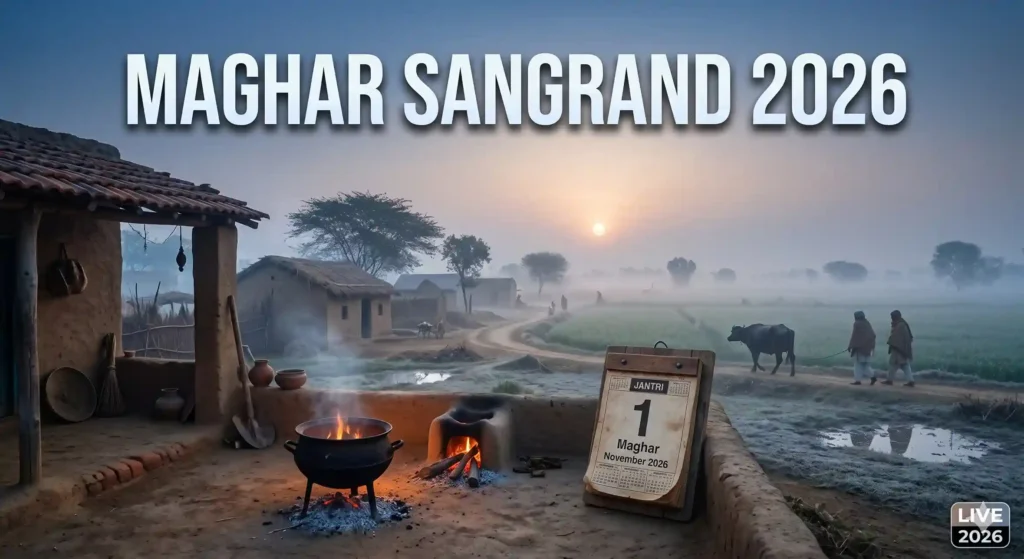
Maghar Sangrand 2026 marks the beginning of the 9th month in the Punjabi Nanakshahi calendar, and if you have ever lived in the Punjab region, you already know what this means — the intensifying cold is no joke. The Date falls on Monday, November 16, which is Maghar 1, 558 in the Nanakshahi count. The Duration of this traditional month runs from November 16 all the way through December 15, just before Poh begins and the deep freeze truly sets in.
What makes this period genuinely special is how fast the Climate shifts. The Intensification of winter really falls hard during this season — temperatures start dropping noticeably, especially in the early mornings and evenings. I remember stepping outside before Fajr during Maghar and feeling that significant chill that tells you the late December solstice and its shortest day are not far off. The weather in this season carries a traditional heaviness that the Punjabi soul somehow finds both tough and deeply familiar, bridging the gap between autumn’s end and the coldest winter days of Poh.
Maghar Sangrand 2026 — Exact Date and Gregorian Equivalent
Maghar Sangrand 2026
| Gregorian Date | 14 November 2026 |
|---|---|
| Day | Saturday |
| Desi Date | 1 Maghar |
| اردو | مگھر سنگرانڈ |
| Season | Winter |
| Status | 207 days ago |
Maghar Sangrand : When Winter Officially Arrives in Punjab
Maghar Sangrand 2026 marks the official onset of the winter season in Punjab. After months of extreme heat, the transition brings significantly cooler, dry air — mornings and nights turn chilly, the landscape shifts, and daily lifestyle adjusts to the cool and pleasant weather that follows the end of autumn. It is a comfortable break, but also a signal — this month comes preceding the harsh winter of the month of Poh.
Maghar in Gurbani
In the Barah Maha — the Song of the Seasons composed by Guru Arjan Dev Ji — the month of Maghar carries deep significance beyond just climate. It is a time of meditative love and focusing on inner spiritual growth over external wanderings. These teachings from Gurbani shape the cultural practices of the month, where Gurdwaras host special Diwans — religious congregations centered around listening to the Katha and discourse of Maghar from the previous months of spiritual reflection.
Farming in Maghar
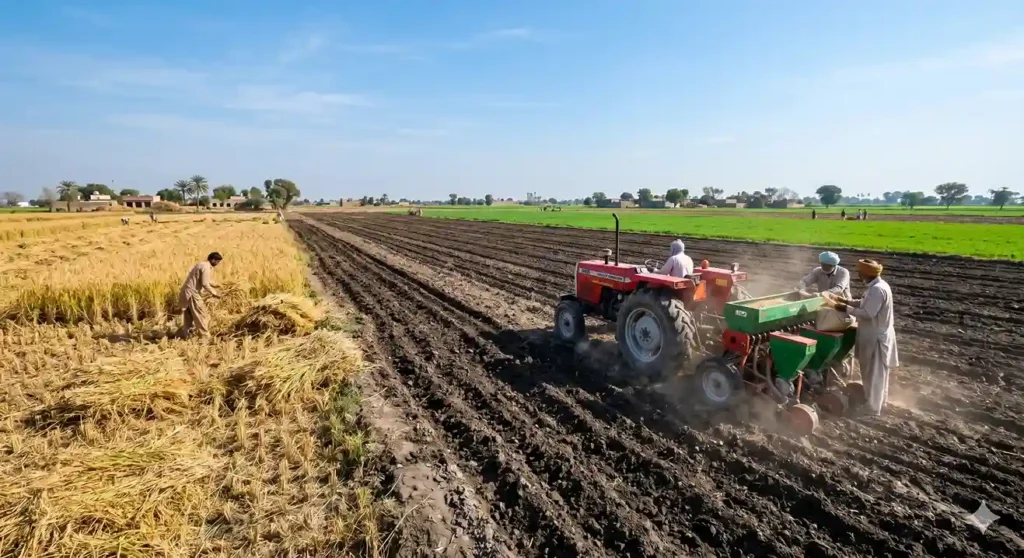
In the Punjabi and Desi calendar, Maghar — also written as Magghar — is the ninth month, stretching from mid-November to mid-December. For farmers across the Punjab region of both Pakistan and India, Maghar Sangrand 2026 marks the beginning of a serious transition period — one where the tail end of Kharif harvesting concludes and the Rabi sowing season hits its peak. I’ve seen this shift firsthand in fields where Rice and Cotton crops are still being cleared while the next season is already being prepared — it’s a beautiful, relentless overlap that defines this month.
Wheat, Winter Staples, and the Race Against Cold
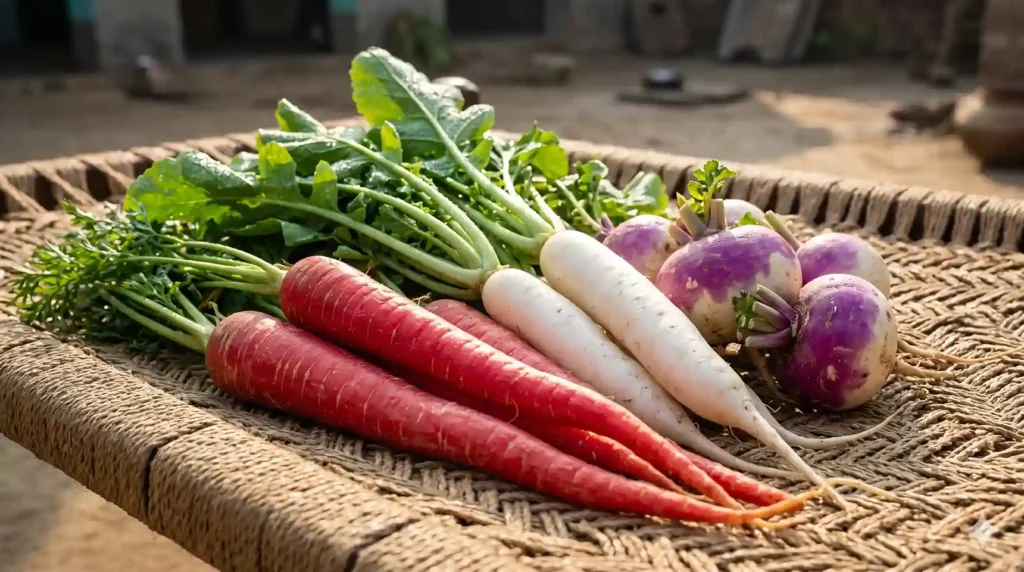
Wheat sowing is the most vital activity of this period, and the optimal window closes fast — experienced growers know that finishing sowing by November 20th is key to achieving maximum yield. Late sowing stretching into late Maghar or early December demands a higher seed rate of up to 60 kg per acre, because colder temperatures slow down both germination and plant tillering significantly. Beyond wheat, this winter season calls for planting and tending to winter staples like Barley, Mustard, Garlic, Gram, Chickpeas, and Lentils, alongside winter vegetables such as Peas, Onions, Carrots, Turnips, and Radishes — making Maghar one of the most critical and productive months in the entire farming year.
In the Nanakshahi calendar, Vaisakh and April are also discussed as birth month in historical Janam sakhis, biographies, and traditions, yet the full moon Puranmashi of Katik in 1469 is linked with Guru Nanak Prakash Utsav, marking his birthdate, while Katik again holds deep spiritual importance in Sikh memory.
Sikh Spiritual Significance of Maghar
The month of Maghar marks a significant time of Introspection, reflection, and spiritual significance in Sikhi, especially in the Bara Maha, Bārah Māhā (ਬਾਰਹ ਮਾਹਾ) composition by Guru Arjan Dev Ji. This masterpiece in the Sri Guru Granth Sahib, spanning Angs 133 to 135, acts as a celestial compass, offering profound insights into the human soul’s odyssey across changing seasons. In eloquent, metaphorical language, Guru Sahib portrays human beings, symbolized as the soul bride, often estranged from the Divine, the Almighty God, Akaal Purakh, amidst the rigors of daily life, while this poetic expression and spiritual roadmap keeps guiding seekers toward reestablishing connection with the Creator.
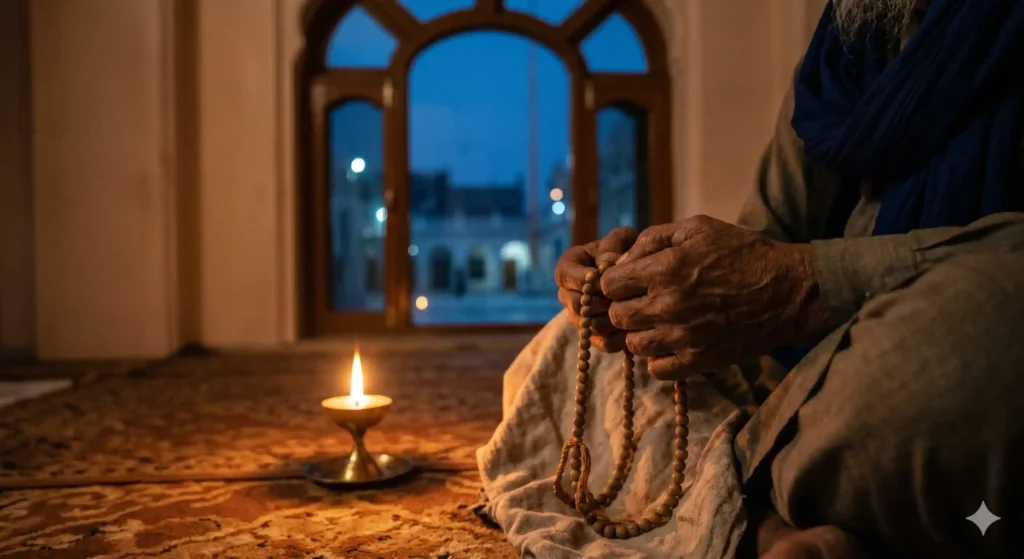
In this cold winter season, the weather parallels Inner Stillness, pausing, and dormancy, encouraging internal growth and eventual warmth of enlightenment. The verses dedicated to Maghar show an eternal quest for unity with the Divine, where devotion, Naam (Name) like a necklace of jewels, brings inner peace and helps escape the cycle of reincarnation. In Sadh Sangat, the Holy Company of Saints, minds and bodies blossom in love, while without it people remain alone in pain. The Rejection of Superstition is famously associated with Bhagat Kabir, who chose to die in Maghar (Harambay) to dispel the belief that dying in Kashi (Varanasi) leads to heaven or hell, teaching that liberation comes from devotion, not the place, and the true lies within, emphasizing a deep, beautiful, and blessed path of Union with the Husband Lord, where the soul bride stays in focus, practice, and merging with the Divine


