
Poh Sangrand 2026 : Date, Cold Month & Desi Calendar

Poh Sangrand 2026 falls on Tuesday, December 15 2026 — recorded as 1 Poh in 558 Nanakshahi Samat on the Nanakshahi calendar. This date marks the 10th month of the Sikh calendar and initiates the winter period running from 8 Poh to 8 Phagun, as confirmed by the Mool Nanakshahi Calendar and Nanakshahi guidelines on SikhiWiki. The Sangrand marks the shift of the sun into a new house — a new rasi — giving this season its deeper significance.
Sikhs traditionally read the Barah Maha poem by Guru Arjan Dev Ji at their local Gurdwara on this date, a poem that explains the spiritual significance of all twelve months. Check schedules at Guru Nanak Sikh Gurdwara for activities. The start of Poh begins a cold, peaceful winter season — a new dawn built for reflection and quiet insights, as the sun initiates its shift into a new rasi and a new house on the Desi calenda
Poh Sangrand 2026 Exact Date and Day
Poh Sangrand 2026
| Gregorian Date | 14 December 2026 |
|---|---|
| Day | Monday |
| Desi Date | 1 Poh |
| اردو | پو سنگرانڈ |
| Season | Winter |
| Status | 237 days ago |
Poh — The Coldest, Darkest Month of the Desi Year
The Poh month, written as पोह in Hindi and ਪੋਹ in Punjabi script, stands as the tenth month of the Desi calendar—a system known by multiple names including Punjabi, Nanakshahi, and Bikrami traditions. This period represents the coldest and darkest stretch of the year across Punjab and the surrounding region, typically spanning from mid-December to mid-January, roughly between December 14 and January 12. What makes this time particularly significant is how it sits within the broader Calendar Position, coming after Maghar during the winter onset and before Magh, which marks the beginning of the return of warmth—a transition often celebrated with Lohri festivities. Having lived through countless Poh seasons in the heart of Punjab, I can attest that understanding the Key aspects of this month requires looking beyond mere dates and temperatures.
The Essence of Poh: Weather, Culture, and Spirit
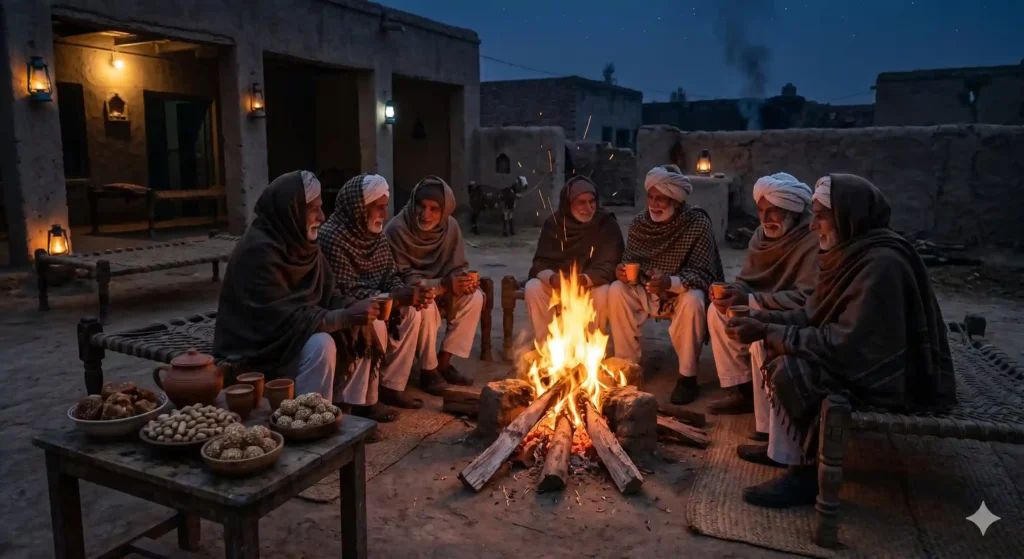
The Weather conditions during Poh bring severe cold and intense morning fog—locally called dhund—alongside heavy frost, known in Punjabi as tukar or kakar, which dries up the precious moisture in our fields and forests. Traditionally, village people would stay warm by gathering around communal bonfires, or alaav, turning this harsh time into an opportunity to enjoy seasonal foods like sugarcane juice, jaggery (locally gur), and roasted peanuts—simple pleasures that define our agricultural heritage.
Yet beneath this cultural warmth lies profound Spiritual and Historical Significance. For Sikhs, the late days of Poh (roughly 10–13) carry immense emotional weight as Shaheedi Haftah—the Martyrdom Week—when we commemorate the sacrifice of the four Sahibzade, the sons of Guru Gobind Singh Ji, and Mata Gujri Ji. This sacred observance connects us to Gurbani and literature that speaks of Reflection and Endurance, where Poh becomes a time for deep introspection and inner warmth fueled by unwavering faith. The month embodies a beautiful contrasting reality—the external harsh cold meets the internal remembrance of the divine, a duality that has shaped our Cultural and Social Life for generations. the Katha and discourse of Maghar from the previous months of spiritual reflection.
Farming in Poh — Dormancy and Preparation
When winter ends — somewhere between late February and April — farmers in areas like POH move fast. As frozen ground thaws, natural stratification completes its work: peas and barley seeds, which required a full cold period at 0–5°C to break dormancy, are now ready to germinate.
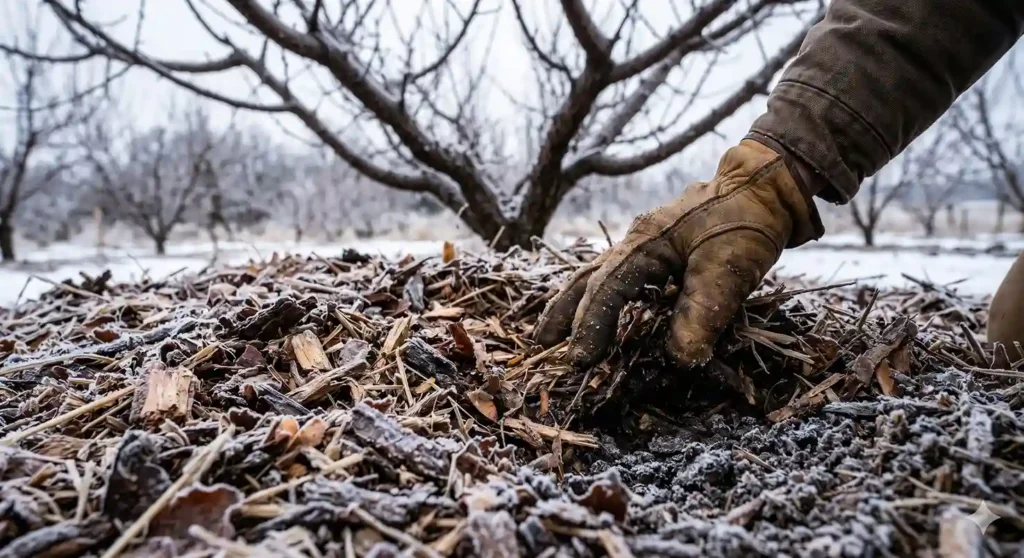
Soil preparation begins immediately. Organic manure is applied before the ground fully opens, and mulching protects soil from late frost damage.
In orchards, pruning apple and apricot trees is critical and must happen before buds swell. Removing old wood and shaping an open-center form encourages healthy seasonal growth.
This spring activity only makes sense against what came before it. In late autumn, as temperatures drop, all plants — apples, apricots, and perennials — enter dormancy: a survival mechanism triggered by extreme cold, frozen soil, and unavailable water. The hormone abscisic acid (ABA) drives this process, rising in concentration to hold buds and seeds in place and prevent premature growth during mid-winter warm spells. Where soil remains unfrozen, water management is kept minimal — just enough to protect roots.
This hormonal control is what keeps crops alive through winter and ready to respond when spring arrives.
Sikh Traditions and Gurbani on Poh
Guru Arjan Dev Ji captures the essence of this cold month in Bara Maha Majh, Guru Granth Sahib (p. 136):
ਪੋਖਿ ਤੁਖਾਰੁ ਨ ਵਿਆਪਈ ਕੰਠਿ ਮਿਲਿਆ ਹਰਿ ਨਾਹੁ

Those embraced by the Husband Lord are untouched by winter’s cold. When the mind holds to the Lord’s Lotus Feet (ਦਰਸਨਿ ਲਗੜਾ ਸਾਹੁ), sorrow and hardship lose their grip. Divine presence becomes the only warmth needed.
Poh Sangrand 2026: A Month of Deep Remembrance
Poh carries immense weight in Sikh history and tradition:
The Shaheedi of the Younger Sahibzade The 12th of Poh marks the martyrdom of Baba Zorawar Singh and Baba Fateh Singh, alongside the suffering of Mata Gujri Ji and the family of Guru Gobind Singh Ji in 1704.
Commemoration Across Gurdwaras All four Sahibzade and the battles of Chamkaur and Sirhind are remembered through Kirtan (devotional music) and Katha (storytelling). Elders pass these accounts to younger generations, keeping alive the cost of religious freedom.
Simple Living as Respect Many Sikhs sleep on the floor and avoid celebrations during this period as a mark of respect for these sacrifices.
Chardi Kala: Resilience Through Trial These moments of hardship demand Chardi Kala, which means resilient and high-spirited optimism. Reflection, detachment, devotion, and courage become lived remembrance, not just history.
Faith Strengthened, Not Broken Focus on the Divine is what sustains the Sikh spirit through extreme trials, turning grief into unwavering faith and deepening the embrace of the Lord.


