
Magh Sangrand 2026 : Date, Maghi, Lohri & Mela Maghi
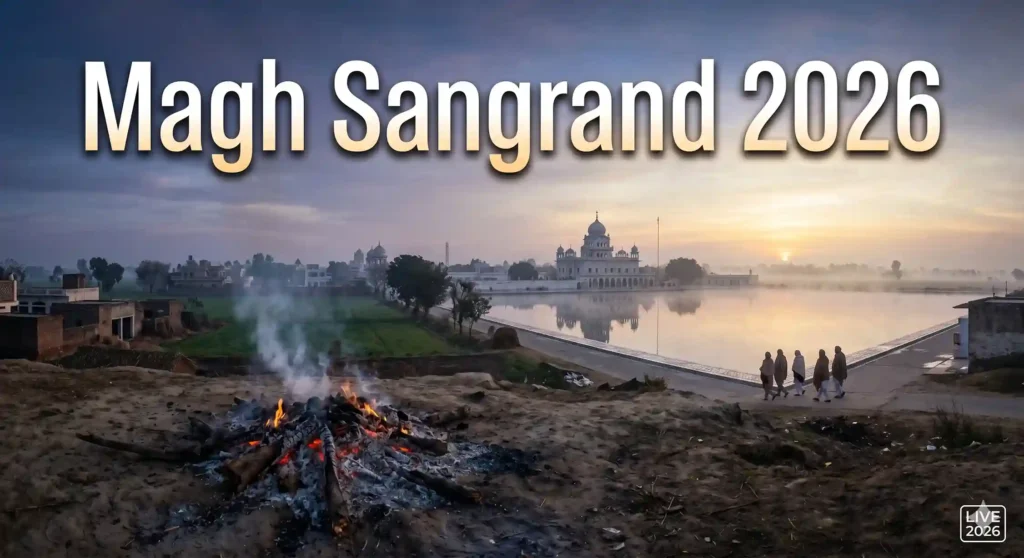
The eleventh month of the Nanakshahi calendar brings with it a spiritual awakening that Sikhs have cherished for centuries. On Wednesday, January 14, 2026, the Magh Sangrand arrives, marking the start of a transformative period in the Punjabi calendar. What makes this day particularly special is that it coincides with two other significant observances: Lohri, which is celebrated on Tuesday, January 13 2026 as a national festival, and Makar Sankranti, creating a convergence of spiritual celebrations across India. In Punjab, this period is known as Maghi, and it represents far more than just a date change—it embodies the renewal of faith and community bonds that define Sikh traditions.
The Magh Month Duration stretches from January 14 through February 11, 2026, offering an extended period of spiritual significance that devotees look forward to with anticipation. During these weeks, the most awaited event is the Mela Maghi held at Sri Muktsar Sahib, which traditionally takes place on January 14 and the following days. This annual gathering has become a major religious event for Sikhs worldwide, drawing thousands who come to honor the memory of those who made the ultimate sacrifice. The fair itself is a three-day religious fair that pulses with devotion and remembrance, creating an atmosphere where spirituality transcends the ordinary.
From my own experience visiting Sri Muktsar Sahib years ago, I witnessed firsthand the profound depth of this observance. The Mela Maghi commemorates the sacrifice of the Chali Mukte—the Forty Liberated Ones—who laid down lives while fighting alongside Guru Gobind Singh Ji in 1705. Devotees arrive with hearts full of reverence to visit the sacred holy tanks of Muktsar, where they perform a holy dip as an act of purification. The air resonates with kirtan (devotional singing) and katha (spiritual discourse), while pilgrims actively participate in the rituals and Traditions that have been preserved across generations. It is in these moments that one truly understands how Maghi connects the past with the present, keeping the memory of sacrifice alive through collective remembrance and spiritual practice.
Magh Sangrand 2026 — Exact Date and its Special Religious Status
Magh Sangrand 2026
| Gregorian Date | 13 January 2026 |
|---|---|
| Day | Tuesday |
| Desi Date | 1 Magh |
| اردو | ماگھ سنگرانڈ |
| Season | Winter |
| Days Away | 97 days from today |
Magh Sangrand and Mela Maghi
Magh Sangrand falls on the most auspicious day of the month of Magh, and the Guru Granth Sahib through its Bārah Māhā hymns directly instructs the faithful toward cleansing, meditating on the Divine, and service to the community — making it the heaviest Sangrand and the most Spiritual one on the Sikh calendar. Falling right after Lohri, it is a major post-winter cultural and religious event where pilgrims take a Holy Dip in the sacred tank at Gurdwara Tootti Ganddi, Muktsar, turning rituals into acts of Spiritual renewal.
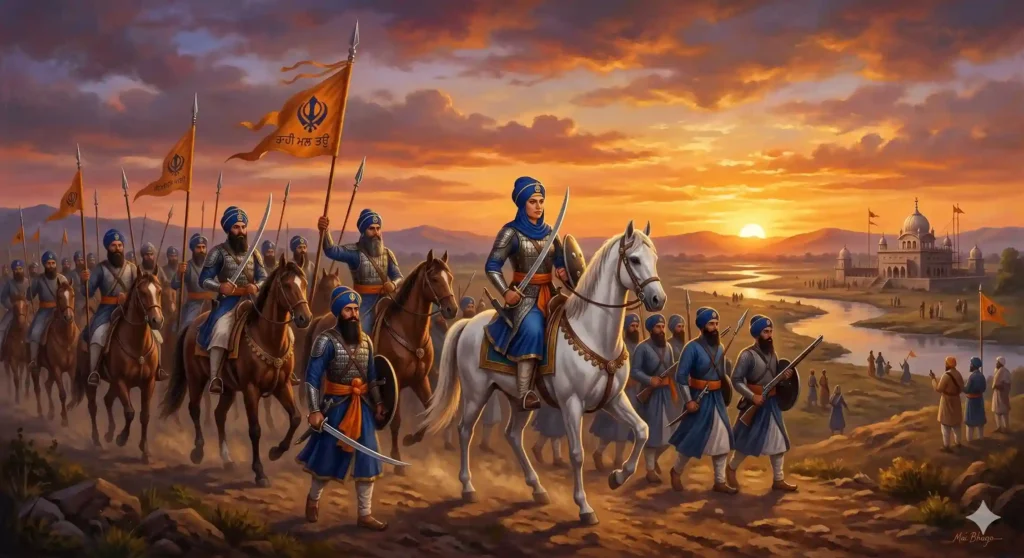
The Significance of Mela Maghi runs even deeper — this festival commemorates the Chali Mukte, the 40 Liberated Ones, forty Sikhs who had deserted Guru Gobind Singh Ji during the siege of Anandpur Sahib, only to return — motivating by the brave woman Mai Bhago — and lay down their lives fighting the Mughals at Khidrana in May 1705. The Guru blessed these martyrs as Muktas, the emancipated, renamed the battlefield Sri Muktsar Sahib — the pool of liberation — with Renaming Muktsar honoring their battle and redemption forever. Today, the Jorh Mela Maghi stands among the most prominent Sikh gatherings in India, where hundreds of thousands of pilgrims visit Sri to pay homage, watch Nihangs display martial arts, attend the cattle fair, and reflect on loyalty, promise, and moral courage — upholding the spirit of those who chose honor over survival in the face of adversity and seek redemption through Spiritual Traditions that live on.
Season during Magh Sangrand
This month signals the continuation of the Rabi cropping season, with cold temperatures ranging from 5°C to 15°C creating ideal conditions for wheat, barley, mustard, and pulses to undergo critical grain-filling stages. The physical coldness of Magh serves as a profound contrast to the soul’s inner quest for spiritual warmth and enlightenment, as reflected in the Bārah Māhā — a sacred composition by Sri Guru Arjan Dev Ji recited during Sangrand as a spiritual compass through seasonal transitions.
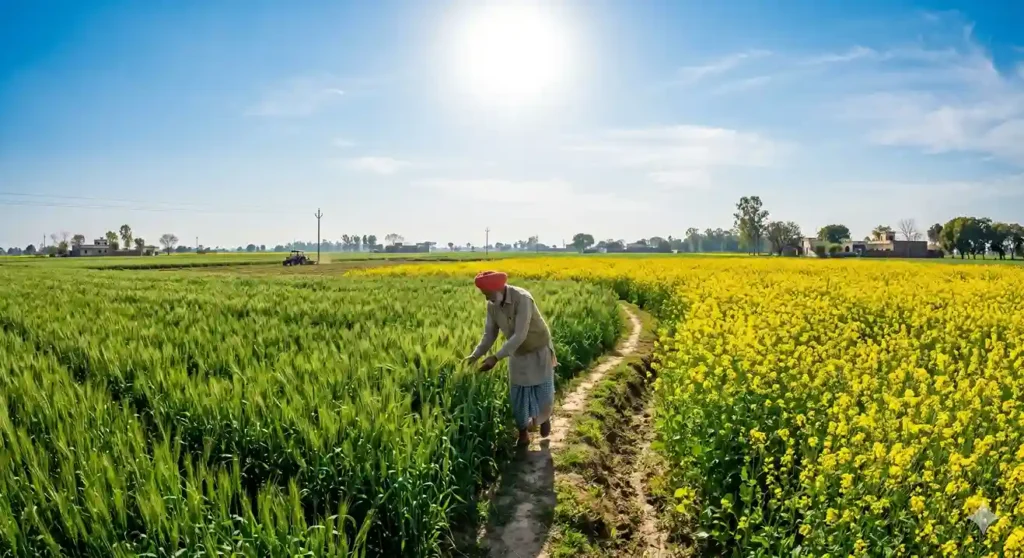
Magh Sangrand coincides with Maghi, an auspicious occasion for ritual bathing in sacred rivers, and the Mela Maghi at Muktsar Sahib — commemorating the Chali Mukte, the forty Sikh martyrs who fought under Guru Gobind Singh Ji. Agriculturally and spiritually, Magh Sangrand represents a seasonal inflection point — the Uttarayana solar transition, where the sun’s northward journey (Uttarayan) signals the slow retreat of winter solstice darkness, connecting Makar Sankranti, Lohri bonfires, Rabi crop management, and community devotion into one profound cultural-agricultural continuum.
Sikh Prayers, Gurbani, and the Soul of Magh
Magh Sangrand 2026 falls at a moment of deep seasonal transition — right after Lohri, when Punjab finally breathes past the end of Poh, its coldest month, and steps into the birth of Magh (January–February). In Sikhism, this month carries real spiritual significance, not just as a date on the calendar but as a dedicated time for spiritual reflection and community gatherings.
The Gurbani That Defines Magh
The key scripture that shapes everything during Maagh is the Baareh Maahaa Majh — the Baareh Maahaa or Twelve Months composition found at Ang 135-136 of Guru Granth Sahib, written by Guru Arjan Dev Ji. What sets this Gurbani apart is how it flips the idea of pilgrimage completely — the Guru instructs that bathing in the dust of the Saadh Sangat, the Company of the Holy, is the true cleansing bath, far superior to ritualistic bathing at sixty-eight holy shrines. The text is clear: kindness to all beings and charity matter more than any outer rituals.
What the Prayers Actually Say
In the prayers and themes of this composition, Guru speaks as someone longing to merge with the Beloved — “In Maagh, I become pure; I know that the sacred shrine of pilgrimage is within me. I have met my Friend with intuitive ease; I grasp His Glorious Virtues, and merge in His Being. O my Beloved, Beauteous Lord God, please listen: I sing Your Glories, and merge in Your Being.” The spiritual benefits described here are not external — they come from going inward, making the Internal Pilgrimage the only one that truly counts.
The Key Spiritual Focus of Magh
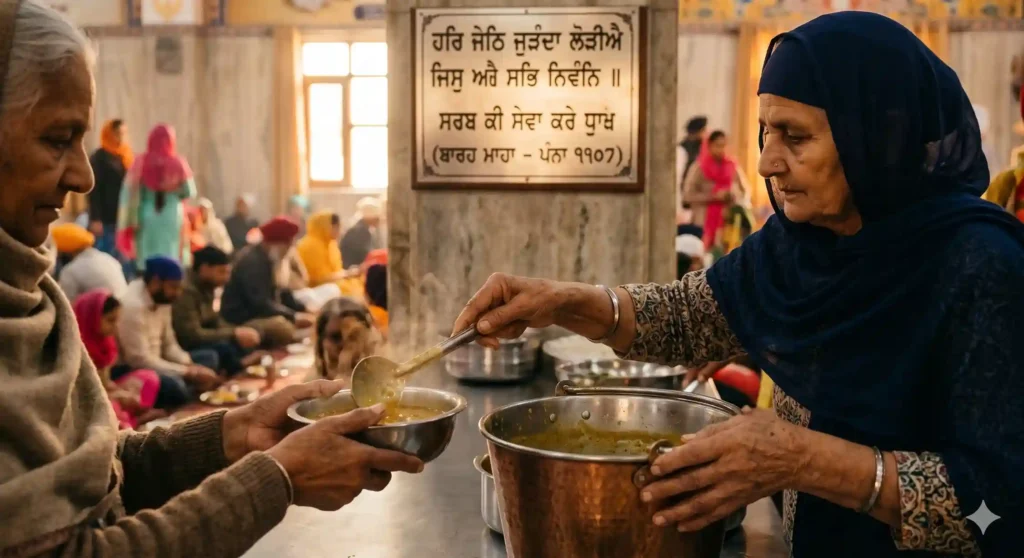
The Key Spiritual Focus of Magh in Sikhism is Removing Ego — the filth of lifetimes of karma — through sincere devotion, Meditation, and the deep recitation of the Name of the Lord. It is a month dedicated to learning to listen to divine kirtan and to deepen one’s connection with the Lord, merging the self into His Being with Merit and Virtues intact. The spiritual benefits of this inner work — shedding ego, building Glorious Virtues, and practicing kindness to all beings — are what make Magh a truly transformative time.
Maghi and the Forty Liberated Ones
Then comes Maghi, observed on January 14, which commemorates the supreme sacrifice of the Chalis Mukte — the Forty Liberated Ones — forty men who sacrificed their lives in 1705 fighting the Mughal army while protecting Guru Gobind Singh Ji. The spiritual significance of Maghi Mela at Sri Muktsar Sahib is immense — special Diwans (congregations), Akhand Paths (continuous readings of Guru Granth Sahib), and Nagar Kirtans are held as living prayers, honoring both the Internal Pilgrimage that Gurbani calls us toward and the outer courage those forty men embodied through devotion alone..


