
Bhadon Sangrand 2026: Date, Monsoon & Crop Season

In the Nanakshahi calendar, Bhadon month begins on August 17, 2026 — a Monday, or 1 Bhadon, Bikrami Samvat 2083. This is the 6th month of the Desi calendar, making this year’s Bhadon Sangrand fall on the same date across both systems, which doesn’t always happen. For those observing Sikhism, the first day of a new month carries its own quiet weight — the Sangrand is a moment for special prayer, a time to recite Nitnem with added intention. Bhado is spoken of directly in Gurbani by Guru Arjan Dev Ji’s Barah Maha, where the soul risks becoming lost and confused in its unpredictable, disorienting character — a spiritual warning that still resonates.
Sangrand Date
Bhadon Sangrand marks the sun’s entry into Virgo — Kanya Rashi in Vedic terms — as the solar month formally opens. Having spent years following the agricultural rhythm of this region, I can tell you that the season hits differently than any other: this is the last of the two monsoon months, Sawan giving way to Bhadon, and the rainy season doesn’t go quietly. The final chapter of peak monsoon brings heavy intermittent downpours, rising humidity, and serious waterlogging risk across low-lying plains in Punjab and Sindh. The fields look lush but feel restless. Farmers across Pakistan enter this month with intense vigilance — rice in its critical grain-filling stage, cotton under peak pest pressure from whitefly and bollworm thriving in warm wet conditions. The land is watched daily. Temperatures hover between 25°C and 35°C, a slight cooling from the blazing heat of Jeth and Harh, but never quite a break — the air stays thick, and the Sangrand of Bhado arrives as both a calendar marker and a call to stay grounded.
Bhadon Sangrand 2026 : Exact Date and Gregorian Equivalent
Bhadon Sangrand 2026
| Gregorian Date | 16 August 2026 |
|---|---|
| Day | Sunday |
| Desi Date | 1 Bhadon |
| اردو | بھادوں سنگرانڈ |
| Season | Monsoon |
| Status | 119 days ago |
Bhadon : When the Monsoon Begins to Retreat
Bhadon, also spelled Bhado, is the sixth month of the Nanakshahi and desi Punjabi calendar, falling between mid-August and mid-September. Rooted in the indigenous Bikrami calendar that originated around 100 BCE during the reign of King Vikramaditya of India, this 365-day calendar has nine months of thirty days, Vaisakh with thirty-one, and Jeth and Harh with thirty-two days each — quite different from the Gregorian system. Bhadon follows Sawan, its preceding month of intense, humid rainfalls, and is known for its interesting traditions, cultural significance, and a welcome respite from the summer heat.
What makes Bhadon truly significant is how it captures a seasonal transition — the retreating monsoon gradually transitioning into cooler, drier autumn weather. Early Bhadon still brings heavy rain, keeping Punjab’s landscape vibrant and green, rivers filled to the brim, and farmers busy nurturing young paddy crops. As moisture levels decrease, sunny days follow. On the night of the 22nd, the star Bhadr rises, traditionally signaling the start of winter’s approach — by the 23rd, flies, mosquitoes, and pests begin to disappear, reducing the need for livestock farmers to use smoke to ward them off.
Farming in Bhadon — Kharif Crops Maturing
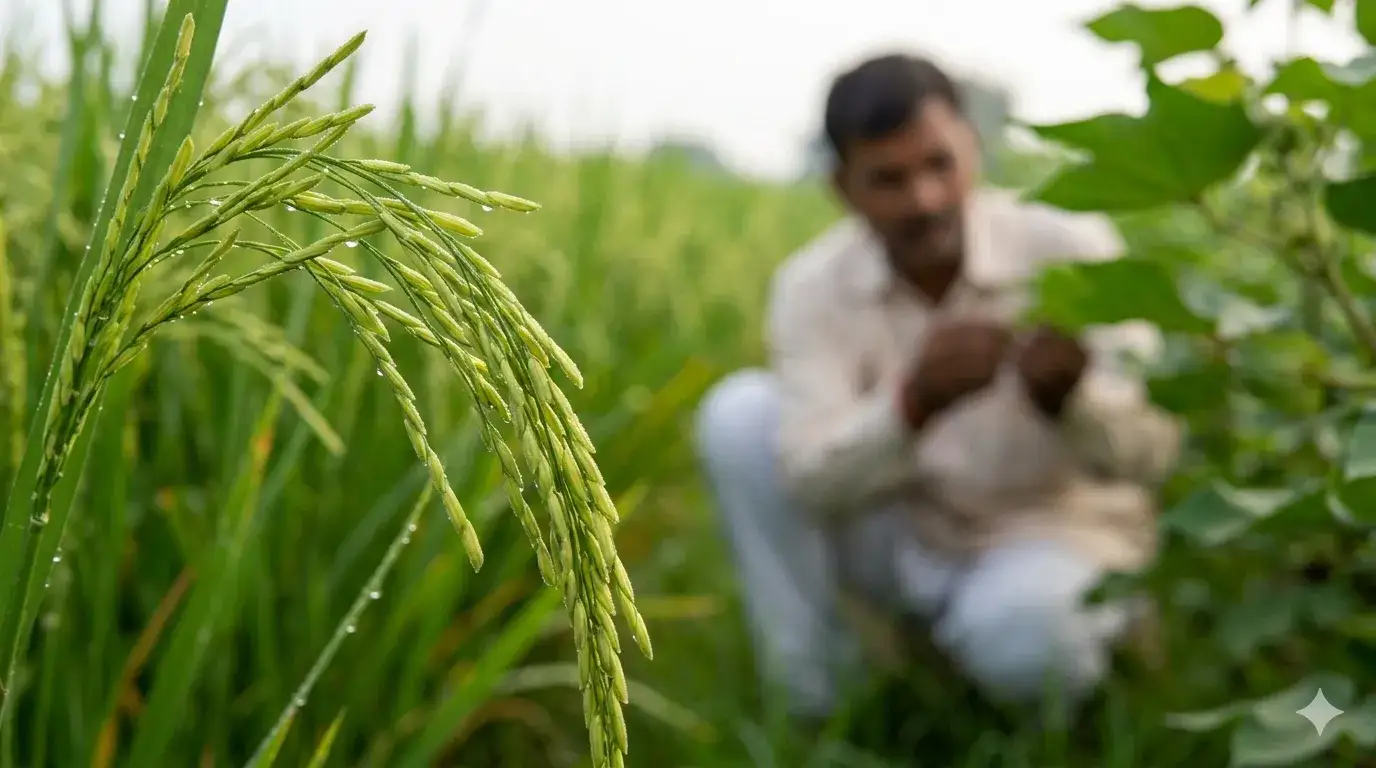
Bhadon is the most intense period of the monsoon season for farming in Punjab — Kharif crops are deep into growth, and every activities on the farm demands attention. Rice (paddy), the principal Kharif crop, matures steadily as early varieties signal harvest time, while cotton, a sensitive fiber crop, needs sunny days after monsoon rains to hold bolls and prevent shedding. Maize, sorghum, and jowar mature rapidly, securing the season’s fodder and grain supply, and summer pulses — moong and mash — are already being harvested. Sugarcane quietly gains height and density throughout the month.
Farmers here juggle maturing crops against rising humidity, temperature, and the twin threat of excess water causing waterlogging or poor soil moisture starving the roots — both real risks I’ve seen ruin otherwise strong seasons. Pest and disease control, especially fungal diseases, demands consistent field scouting, while early harvesting of short-duration pulses and fodder crops begins in late Bhadon. Land preparation for the Rabi season and wheat starts quietly in the background. On the horticulture side, Jamun varieties known locally as Bhado ripen and are picked, Bhindi (okra) and late summer vegetables are harvested and continue to develop right through the season’s end.
Sikh and cultural observances on Bhadon Sangrand
Sikh Observances and the Soul of Bhadon
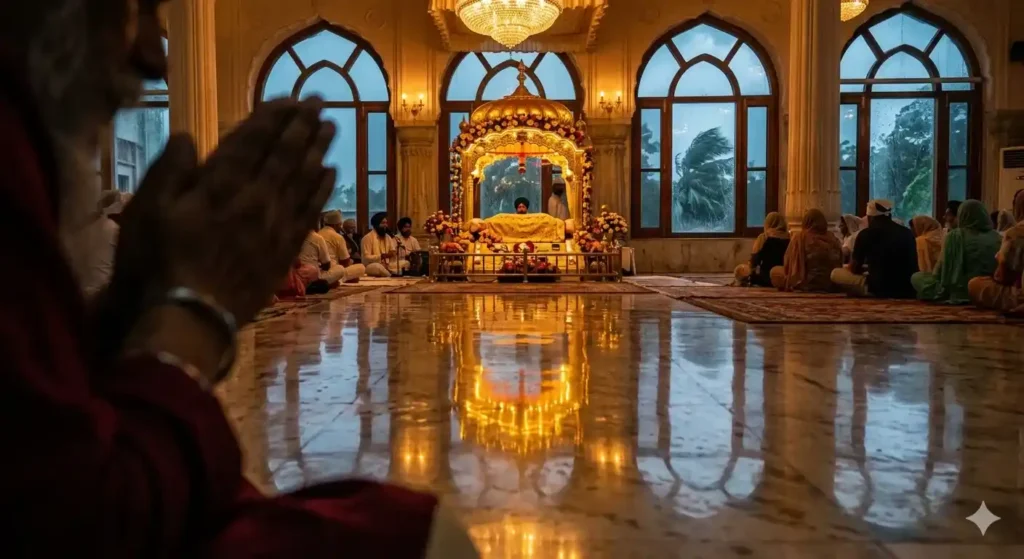
At every Gurdwara, Bhadon month is marked with Special Divans where Devotees attend congregational prayers filled with kirtan and katha. The central religious practice on this day is the recitation and reading of Barah Maha — Twelve Months — composed by Guru Arjan Dev Ji. The specific stanza for Bhadon is read from the Guru Granth Sahib, and its Gurbani verse carries a deep spiritual longing — urging the soul to turn away from duality, focus on the Guru’s feet, and seek divine union. Believers listen to the Hukamnama, the divine command for the day, and offerings of karah prasad are made — a moment I personally find to be one of the most grounding rituals in Sikh practice.
Spirit, Season, and the Poetry of Bhadon
The poetry of the Guru Granth Sahib emphasizes and focuses on the spiritual bride who is caught in doubt and attachment — without the protection of the Lord, thousands of worldly decorations and ornaments become useless, and worldly loved ones leave, making sanctuary in the Divine the only truth. This same feeling flows into the Cultural Significance of Bhadon — after the extreme heat of the previous month, the Rainy Season is welcomed as a pleasant time, with lakes, fields, and water overflowing and nature thriving. Culturally, traditional songs depict the longing of a wife for a husband away, mirroring the soul’s yearning for God — a Seasonal Reflection that makes Bhadon a deeply emotional and spiritual time, a true break worth cherishing.


