
Harh Sangrand 2026: Date, Monsoon & Rice Farming
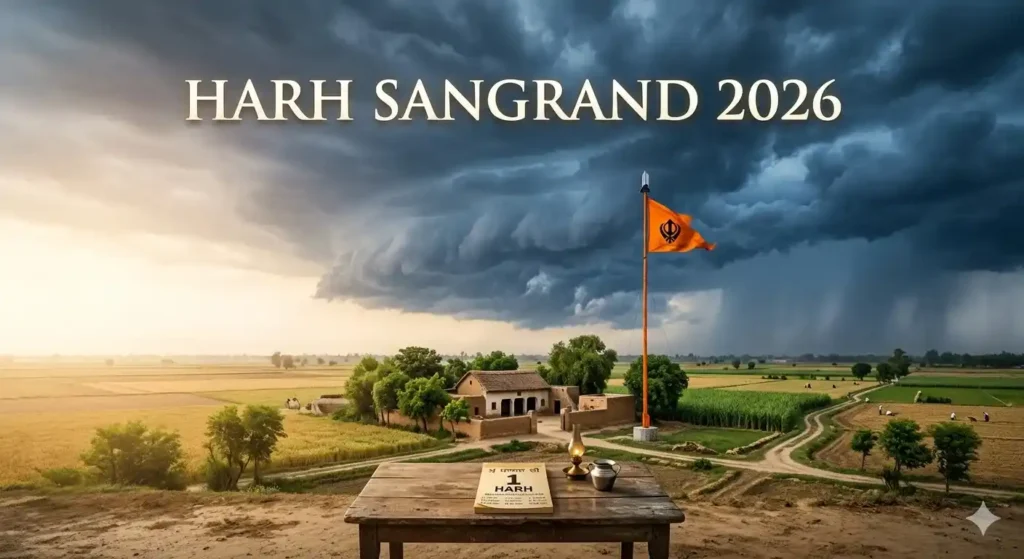
Harh Sangrand 2026 falls on Monday, June 15, marking the beginning of the fourth month in the Nanakshahi Punjabi calendar. Known as Harh or Asarh, this first day carries real weight — not just spiritually but practically. Having spent time in rural Punjab during this period, I can tell you the air itself feels different: the scorching summer heat is still at its peak, yet there’s that unmistakable anticipation of the long-awaited monsoon season. The onset of Harh signifies a crucial transition in weather, and farmers across the region already know — it’s time to prepare their fields before the rains arrival shifts everything.
From Scorching Heat to Kharif Fields
The impact of Harh on farming is something you genuinely feel on the ground. The monsoon rains don’t just bring relief from the rainy season‘s buildup — they trigger the entire Kharif crop cycle. Rice planting begins across surrounding regions, with paddy cultivation dominating the landscape alongside maize and sugarcane. For the 2026-27 season, substantial agriculture is planned across Punjab to meet both domestic demands and exports. These crops, driven by monsoon-fed soil, are vital to livelihoods that stretch far beyond the fields themselves.
Harh Sangrand 2026 — Exact Date and Day of the Week
Harh Sangrand 2026
| Gregorian Date | 15 June 2026 |
|---|---|
| Day | Monday |
| Desi Date | 1 Harh |
| اردو | ہاڑھ سنگرانڈ |
| Season | Monsoon |
| Status | 54 days ago |
Harh Sangrand — When the Monsoon Knocks on Punjab’s Door
Harh is the bridge between blistering summer heat and life-giving rains in the agricultural and cultural landscape of Punjab. The humidity builds, pre-monsoon showers knock on the door, and farmers prepare their fields for coming Kharif crops — all before the monsoon season (Rut Baras) officially begins with Sawan on July 16. The end of Harh signals a shift toward the rainy and essential growing window, typically starting the following month.
Harh Sangrand falls on 1 Harh — June 15, 2026 (Gregorian Date). On this Sangrand day, the Sikh community visit Gurdwaras to listen to the specific Barah Maha passage, which describes Harh as the Peak and most scorching time in the Punjabi calendar. Religious texts focuses on remaining cool and centered through meditation amidst worldly heat, as nature and soul yearn for coolness of the Divine. This Month
Event marks both spiritual renewal for Devotees and agricultural anticipation for rural farmers.
Rice Farming and Harh Sangrand — the Nursery Month
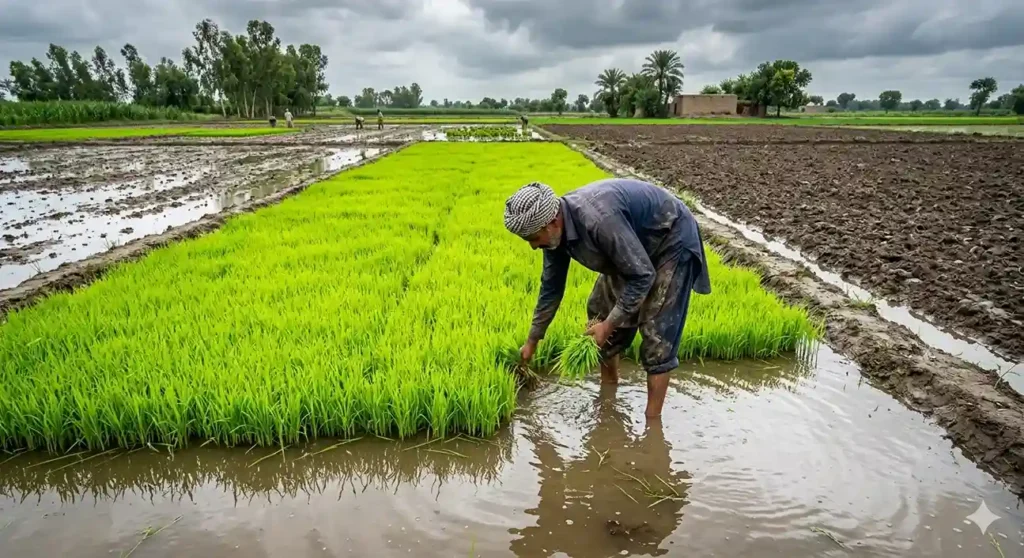
In Punjab, Pakistan and India, Harh Sangrand—the first day of the Punjabi month of Harh—is the traditional and official start of rice season. Falling around June 14 or June 15, it aligns with the onset of the monsoon season, making it the most ideal period for sowing rice nurseries. This climatic transition is critical for rice seedlings before they are transplanted into main fields.
The government enforces a ban on sowing nurseries before May 20 or early June through agricultural regulations to break the life cycle of the rice stem borer, manage water, pests, and conserve groundwater. For late-maturing varieties like Basmati and PB 1847, Abid Ali Agrarian recommends June 15 to June 22 so pollination occurs at cooler temperatures of 32C to 34C. This nursery month window makes Harh the most critical season for rice farming across the region.
Sikh Observances and Prayers on Harh Sangrand
Harh Sangrand marks the start of the month of Harh, and for Sikhs, it is far more than a date on the calendar. The Gurbani for this Shabad is clear: Harh is pleasant only for those whose hearts are filled with the remembrance of the Lord. Having personally sat through these divans, the reading and listening experience hits differently when the intense heat outside mirrors exactly what the bani warns against — the heat of distraction, of outward chasing, of passing worldly comforts.
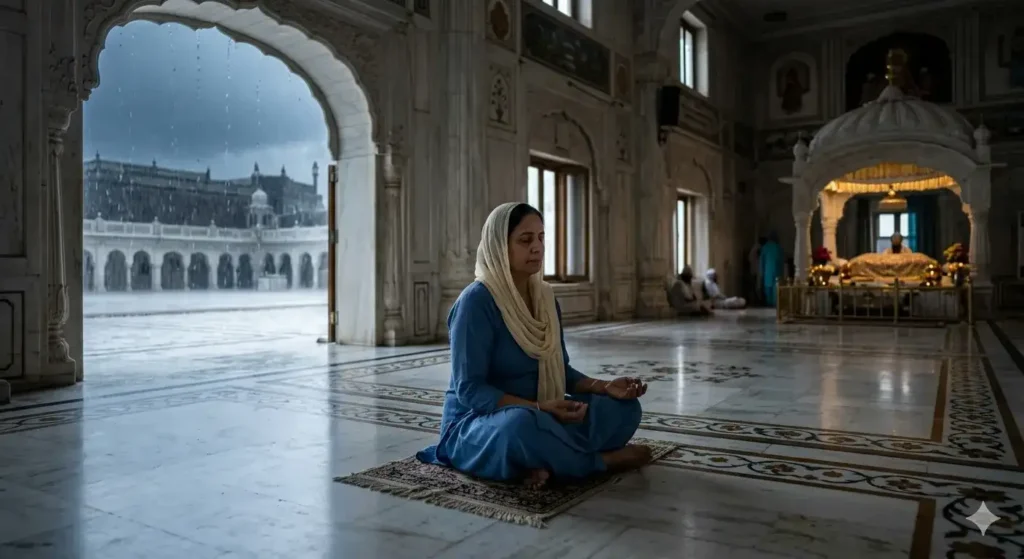
- The 12 Months Framework: Across all Twelve Months of the Barah Maha, this thread of reflection runs deep — but Harh with its intense heat makes the message of keeping the mind cool through Truth feel most alive. The new month encourages a focus on soul, Deeds, and a dedicated connect with God over all outward and passing worldly comforts.
- Barah Maha & Bani: The day centers around the poetic recitation of the Barah Maha, a composition by Guru Arjan Dev Ji from the Sri Guru Granth Sahib. This bani speaks to the soul’s yearning for God, with verses that emphasize the cost of wasting life on worldly attachment and materialistic reliance.


