
Phagun Sangrand 2026: Date, Spring & Basant Season

Phagun Sangrand 2026 lands on Thursday, February 12 — the first day of Phagun 1 in the Nanakshahi calendar, marking the 12th month and final month of Samat 557. Having followed the Sikh calendar closely over the years, this date always feels like a quiet but powerful shift — the end of winter and the gentle arrival of the spring season make Phagun Mahine Di Sangrand something you feel before you even read about it. The air itself seems to carry the promise of Basant, nudging both the land and the spirit toward renewal.
What makes this transition meaningful for Sikhs is that it is not just a seasonal change — it is a moment of reflection and spiritual preparation for what comes next. The month concludes on March 14, when Chet begins and the new year opens fresh. In between, many Sikhs spend this final month listening to and reading the verses of Phagun Mahine Di Sangrand, letting the words of Gurbani guide their inner transition just as the earth moves from cold stillness into spring season bloom.
Phagun Sangrand 2026 Exact Date & Gregorian Date
Phagan Sangrand 2026
| Gregorian Date | 12 February 2026 |
|---|---|
| Day | Thursday |
| Desi Date | 1 Phagan |
| اردو | پھگن سنگرانڈ |
| Season | Spring |
| Days Away | 67 days from today |
Basant Panchami and Phagun Sangrand — kite season opens
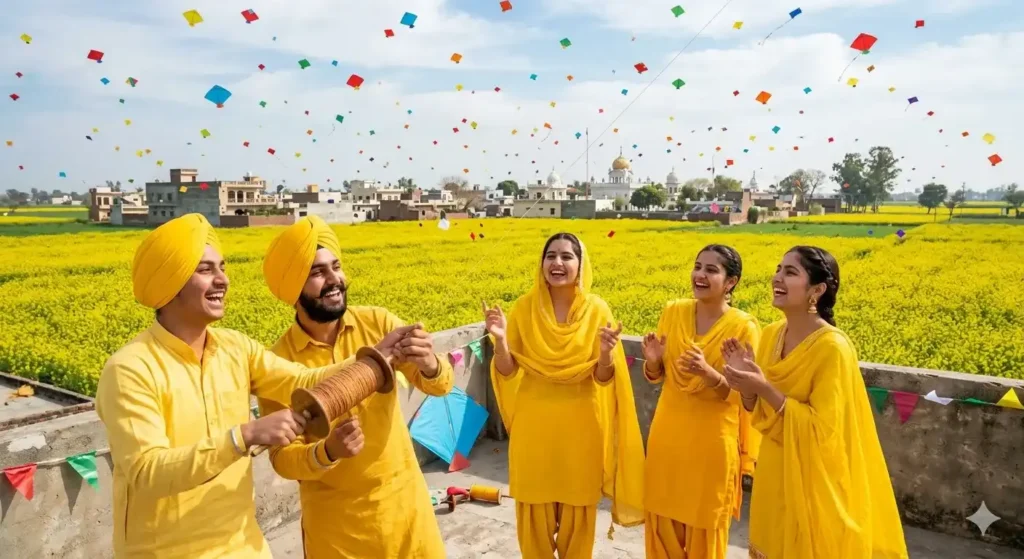
Phagun Sangrand 2026 falls on February 13th, the first day of Phagun — the twelfth and final month of the Nanakshahi calendar — signaling the end of winter and the arrival of spring, typically coming close to Basant Panchami, which this year marks January 23rd, the fifth day of the waxing moon in Magh; both festivals are deeply linked, with the official launch of the Festival of Kites coinciding with the early blooming of mustard fields across Punjab, together symbolizing renewal, Chardi Kala, and the eternal optimism so central to Sikh and Punjabi traditions — having personally witnessed these celebrations over years, I can say the vibrancy and joy of this season is truly special, as people wear yellow clothes, eat yellow sweets, fly kites, and embrace a new beginning.
Devotees visit Gurdwaras at the start of Sangrand to listen to the Barah Maha — the song of the twelve months — during the reading, offering prayers, gratitude, and spiritual reflection as Phalgun enters its last stretch of time; traditionally, the Panchami energy also flows into this celebrated anniversary of Guru Gobind Singh Ji’s marriage at Guru Ka Lahore, reminding us that these months hold not just cultural depth but a deeply spiritual meaning carried forward across years of living Punjabi tradition.
Farming During Phagun Sangrand
Phagun Sangrand 2026 is a crucial time for Punjab farmers as the harsh winter cold starts lifting and a moderate warm-up begins. Wheat is nearing maturity phase, requiring careful irrigation as temperature keeps rising for a good yield. Meanwhile, sugarcane and cotton demand active preparation and harvesting management. Farmers work the soil, tending rabi and kharif crops, preparing fields for spring plantings — all timed precisely to the Bikrami calendar agricultural cycle. The end of winter season signals the start of harvest preparation, and every day in Phagun counts.
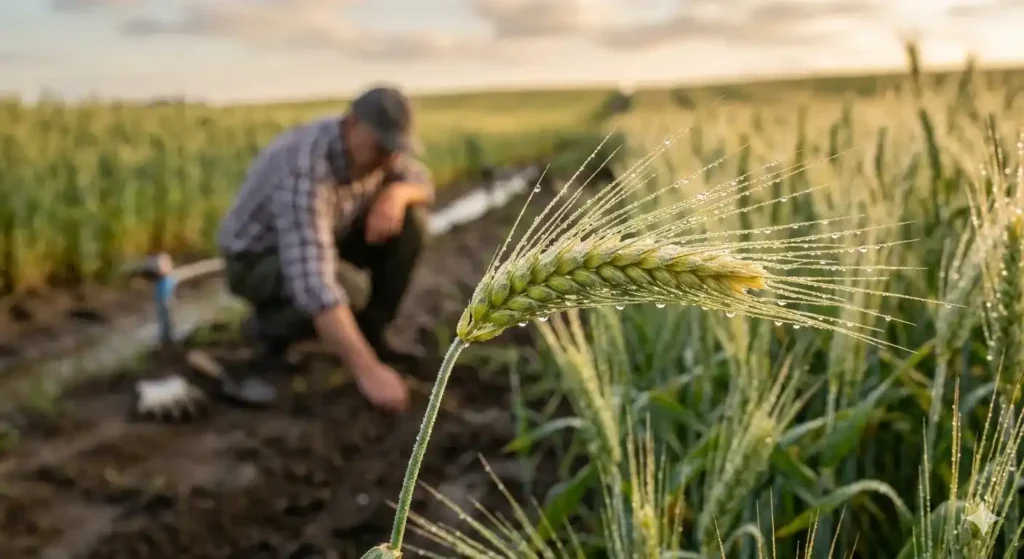
Phagun Sangrand 2026 bridges the gap between winter harvest and upcoming spring season, leading directly into Vaisakhi — the most vibrant main harvest festival of Punjab. This transition holds deep cultural and agricultural significance within the seasonal cycle of the Bikrami calendar. The Barah Maha, a spiritual song of the months, describes Phagun as the month when trees bear fruit, nurturing the soul with joy. Holi, celebrated this month, adds further spiritual reflection to the season — making Phagun a time of both crop growth and cultural renewal across Punjab.
Sikh Traditions and the Soul of Phagun
Phagun Sangrand marks the first day of the month of Phagun, and for Sikhs, it carries deep meaning — both as a time of celebration and quiet reflection. On this day, Sangrand first day is observed by reading the Barah Maaha composition from the Guru Granth Sahib to contemplate the message for Phagun. Key observances during this period include:
- Basant Panchami — the festival of Basant marking the onset of spring and new life, often falling within this season
- Saka Nankana Sahib — observed on 10 Phagun (February 21), commemorating the historical incident of martyrdom at Nankana Sahib
Being the last month of the Bikrami year, Phagun naturally becomes a time of spiritual growth, preparation, and getting ready for 1 Chet and the new year ahead.

Gurbani’s Call: Constant Praise and Detachment
In the Siri Guru Granth Sahib at Ang 136, the Barah Maaha speaks about Phagun — or Phalgun — with striking clarity:
ਫਲਗੁਣਿ ਨਿਤ ਸਲਾਹੀਐ ਜਿਸ ਨੋ ਤਿਲੁ ਨ ਤਮਾਇ ॥ 13॥
Gurbani calls us to praise the Divine continually — the One without even an iota of greed. The deeper message here unfolds beautifully:
- The soul-bride whose mind is enraptured by love for the Beloved finds her Husband Lord within the home of her own heart — a true inner union
- Guru Arjan Sahib uses Holi as a metaphor for inner transformation — coloring oneself with divine love by serving the Saints
- This spiritual celebration is really about the eradication of selfishness and ego
Phagun ultimately invites detachment and reflection on the transience of worldly things — turning the year’s end into a moment of joy, union, and honest review of your own spiritual journey.


